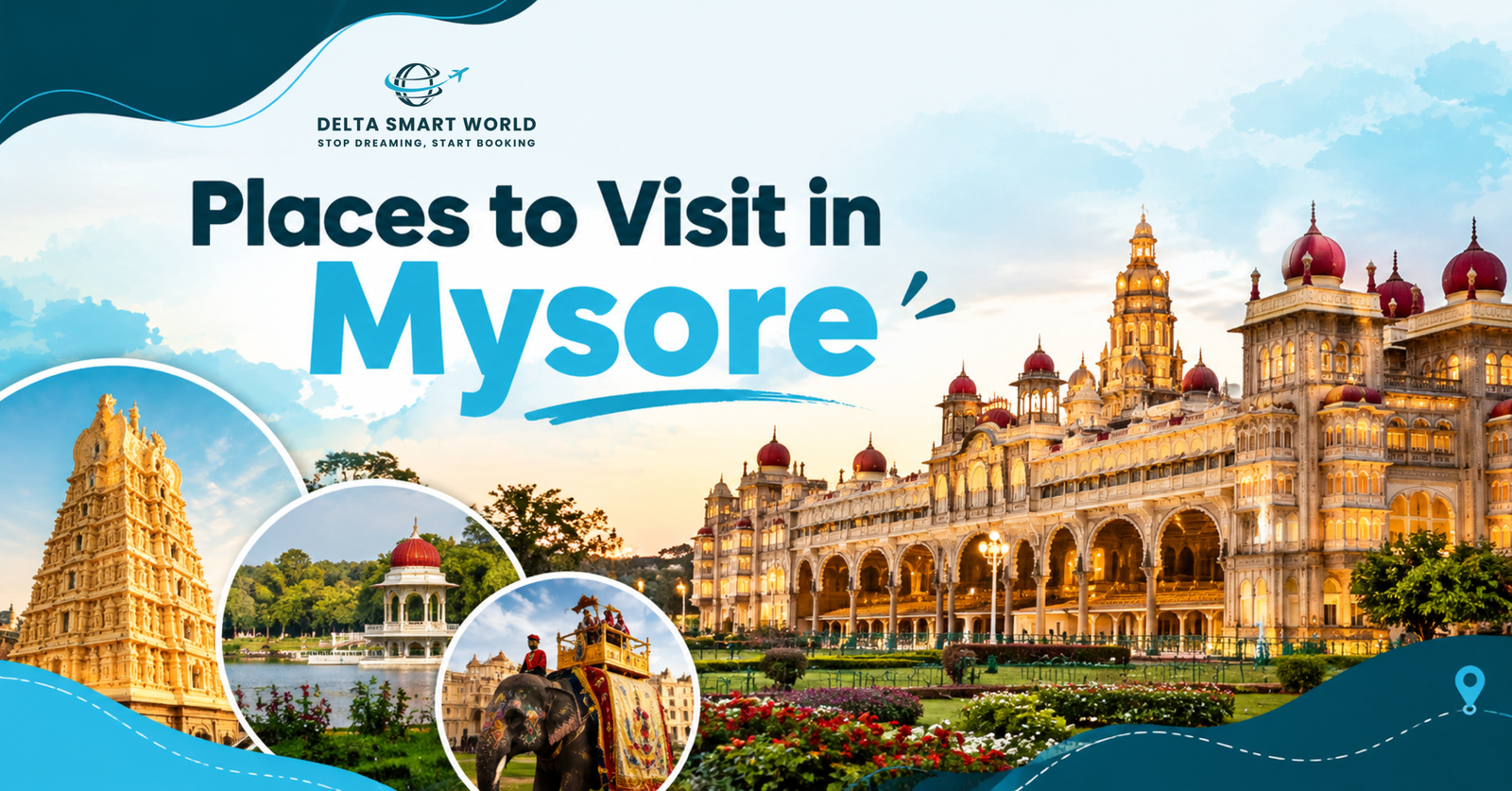
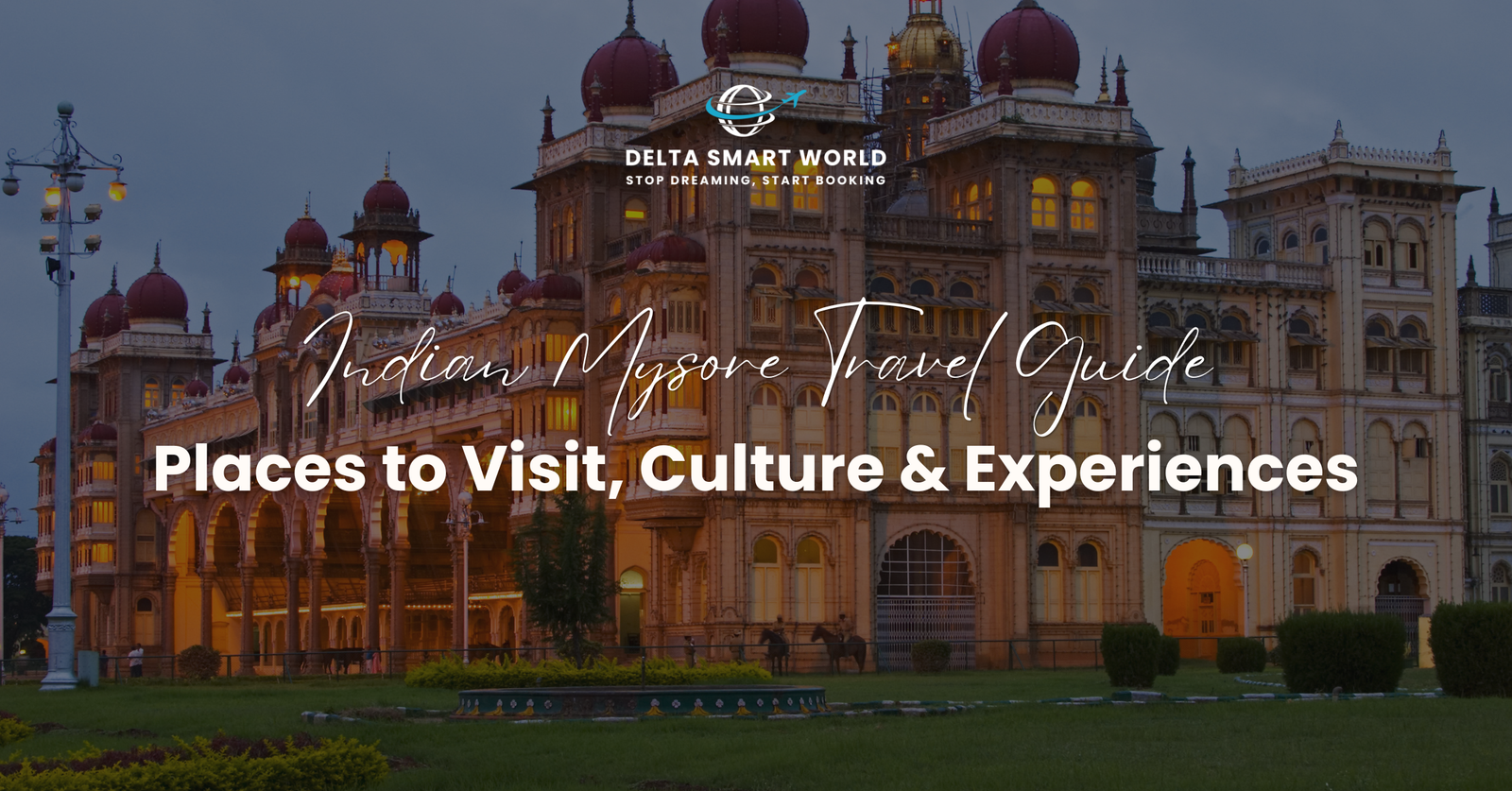
Indian Mysore welcomes travelers who want history, art, and elegance in one destination. This city in Karnataka delivers royal palaces, fragrant gardens, and vibrant markets within a compact, walkable core. Visitors ask one question above all others: what makes Indian Mysore worth the journey? The answer lies in its rare blend of living heritage and modern comfort. Mysore never feels like a museum piece. It feels like a city that still celebrates its royal past every single day. From the illuminated Mysore Palace to the aroma of sandalwood in local bazaars, this destination rewards curious travelers. Layered experiences wait around nearly every corner. Delta Smart World has studied this city closely. This guide shares everything a discerning traveler needs before booking a trip.
Why Indian Mysore Stands Out as a Premier Destination
Mysore, often called the City of Palaces, sits quietly in southern Karnataka, yet it commands global attention. Travelers arrive expecting grandeur, and the city delivers far beyond that expectation. Unlike destinations that rely purely on monuments, Mysore weaves its history into daily life. Local vendors still sell handcrafted sandalwood items using techniques passed down through generations. Musicians still perform classical Carnatic music in temple courtyards. Silk weavers still produce Mysore silk sarees using traditional looms.
This living culture separates Indian Mysore from many other heritage cities. Visitors do not simply observe history; they participate in it. A morning yoga session near Chamundi Hill connects travelers to centuries-old spiritual practices. An evening walk through the illuminated palace grounds recreates the wonder that royal guests once felt. Even the city’s street food carries stories, since recipes for dishes like Mysore Pak trace back to royal kitchens.
Beyond culture, Mysore offers practical advantages for travelers. The city stays cleaner and calmer than many major Indian metros. Traffic remains manageable, and the pace of life feels gentler. Green spaces appear throughout the city, softening the urban experience. Families, couples, and solo travelers all find something meaningful here, whether they seek architecture, spirituality, nature, or simply rest.
Karnataka’s tourism board has invested heavily in preserving Mysore’s heritage sites, and this commitment shows. Roads leading to major attractions stay well maintained. Signage helps visitors navigate confidently. Local guides bring deep knowledge of royal history, architectural details, and cultural nuances. Together, these factors create a destination that rewards both first-time visitors and repeat travelers.
The Royal Legacy That Shapes Modern Mysore
Mysore’s identity connects directly to the Wadiyar dynasty, which ruled the region for centuries. This royal family shaped not only the city’s architecture but also its arts, education systems, and civic infrastructure. Their influence still defines Mysore today. Wide boulevards, planned neighborhoods, and grand public buildings all trace back to royal planning decisions made generations ago.
The Wadiyars championed education and the arts alongside political governance. They established schools, supported classical musicians, and funded temple renovations across the region. This patronage created a cultural ecosystem that continues to thrive. Modern Mysore still hosts classical music festivals, dance performances, and art exhibitions that echo this royal tradition.
Travelers who understand this history appreciate the city on a deeper level. A visit to Mysore Palace becomes more than sightseeing. It becomes a window into how thoughtful leadership can shape a city’s soul. Delta Smart World encourages guests to explore this history through guided tours. Context transforms ordinary sightseeing into meaningful discovery.
A Journey Through Mysore’s Royal History and Culture
Mysore’s story begins centuries before European colonial influence reached southern India. Local rulers governed the region, building forts and temples that still stand today. The Wadiyar dynasty rose to prominence and eventually made Mysore their capital. This move cemented the city’s status as a center of power and culture.
Throughout the seventeenth and eighteenth centuries, Mysore experienced both prosperity and conflict. Regional powers fought for control, and the city changed hands more than once. Despite this turbulence, cultural institutions continued to grow. Temples received patronage, artisans refined their crafts, and scholars produced literary works that enriched Kannada language and thought.
By the nineteenth century, the Wadiyar rulers had rebuilt Mysore into a showcase of architectural ambition. They commissioned grand structures, expanded public infrastructure, and encouraged trade. This period produced many of the landmarks that visitors admire today. Palace construction, garden design, and civic planning all reached new heights during this era.
Cultural preservation remains central to Mysore’s identity even now. Local government bodies actively protect heritage buildings and support traditional artisans. Museums display royal artifacts, while cultural centers teach classical dance and music to younger generations. This dedication ensures that Mysore’s heritage stays vibrant rather than fading into history books.
Expert Tip from Delta Smart World: Visit heritage sites early in the morning. Soft light enhances the architecture, and smaller crowds allow for a more reflective experience.
Festivals That Bring History to Life
Mysore’s festivals offer travelers a chance to witness living history firsthand. These celebrations connect directly to royal traditions and continue to draw visitors from across the world.
- Mysore Dasara: This ten-day festival celebrates the victory of good over evil. It features illuminated palaces, cultural performances, and a grand procession.
- Mysore Sandalwood and Silk Exhibition: This event showcases the region’s finest craftsmanship and celebrates its economic heritage.
- Chamundi Hill Festivals: Devotees gather throughout the year to honor Goddess Chamundeshwari through rituals and celebrations.
Each festival adds another layer to the Mysore experience, giving travelers reasons to plan visits around specific dates. Delta Smart World often recommends aligning trips with Dasara. Guests who choose this window witness the city at its most vibrant.
Top Places to Visit in Indian Mysore
Mysore rewards travelers with a concentrated collection of remarkable sites. Rather than spreading attractions across long distances, the city keeps most landmarks within easy reach of each other. This compact geography allows visitors to experience more without exhausting themselves through constant travel.
Mysore Palace
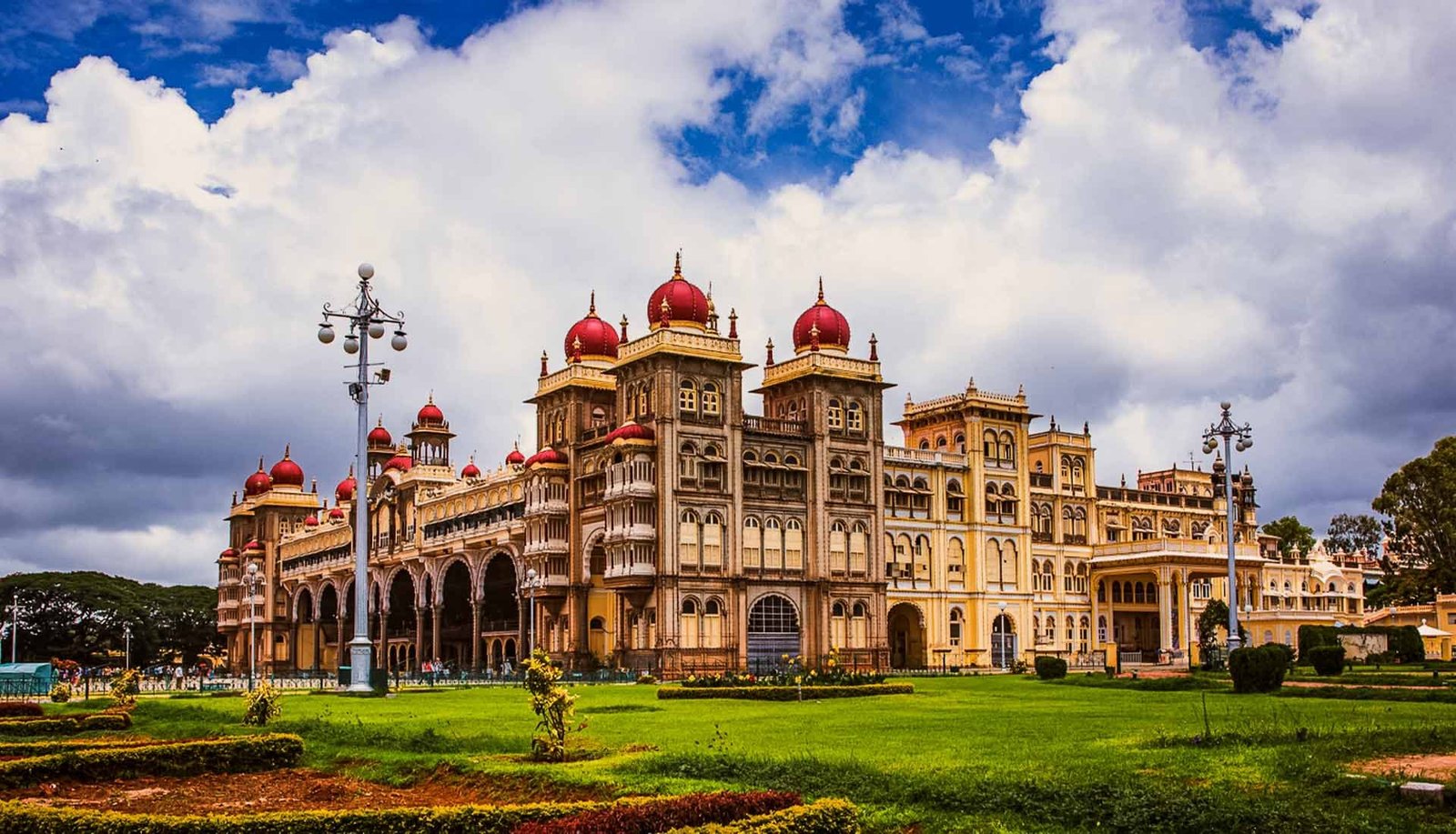
Mysore Palace stands as the crown jewel of the city and draws millions of visitors every year. This structure blends Indo-Saracenic architecture with intricate details that reflect Hindu, Islamic, Rajput, and Gothic influences. Domes, arches, and carved pillars create a visual experience unlike anything else in the region.
Inside, visitors encounter ornate halls, royal artifacts, and stunning stained-glass ceilings. The Durbar Hall impresses guests with its scale and craftsmanship. The Kalyana Mantapa wedding hall showcases peacock-themed stained glass that catches light beautifully. Walking through these spaces gives travelers a genuine sense of royal life.
Every evening, the palace illuminates with nearly 100,000 lights, transforming the structure into a glowing spectacle. This nightly display attracts crowds who gather simply to watch the palace come alive after sunset. Photographers, families, and history enthusiasts all find something to appreciate during this moment.
Chamundi Hill and Chamundeshwari Temple
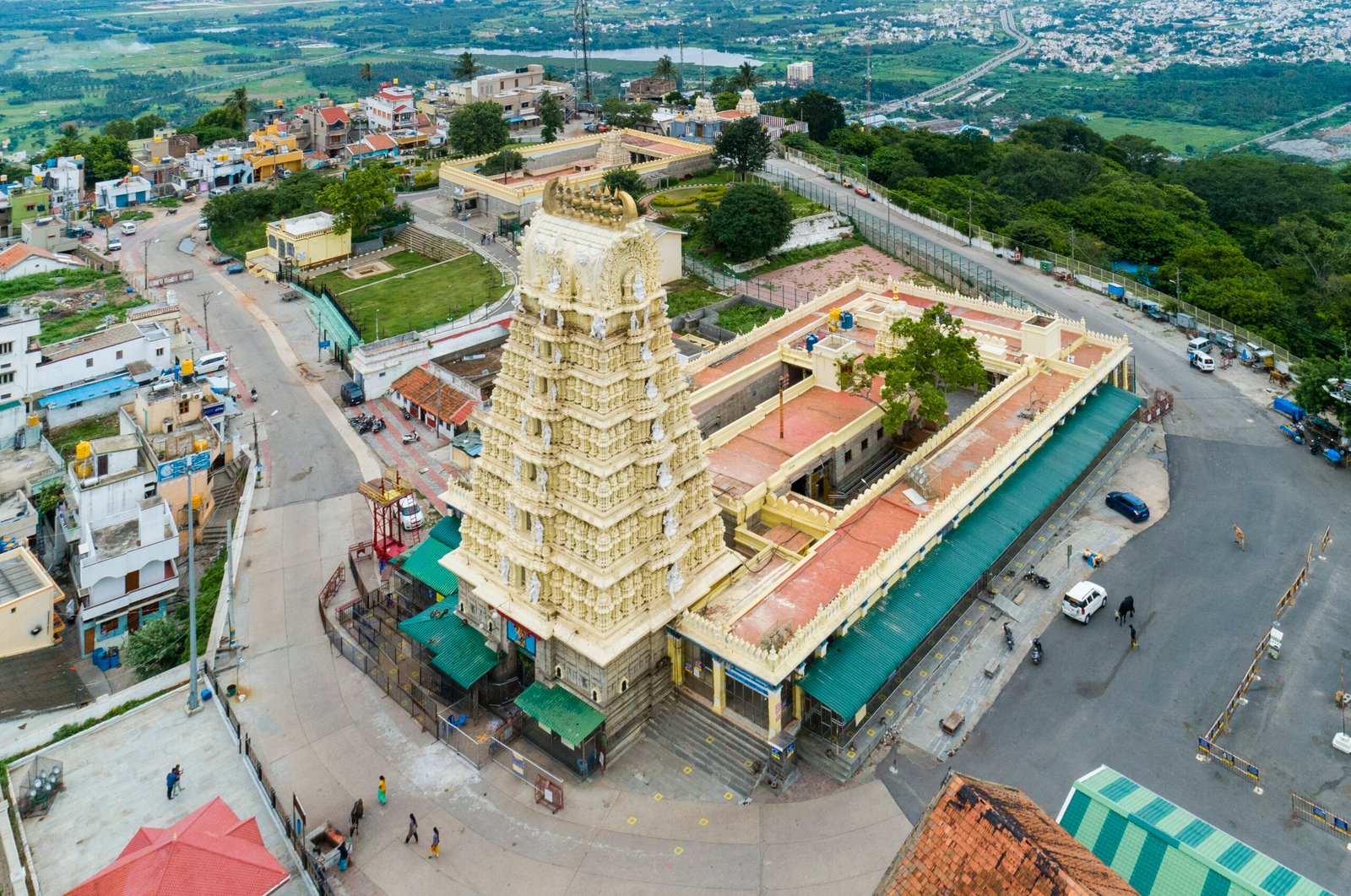
Chamundi Hill rises above the city and offers panoramic views that stretch across Mysore’s rooftops and green spaces. Pilgrims and travelers climb this hill to visit Chamundeshwari Temple. Local legend credits this goddess with giving Mysore its name.
The temple itself features intricate carvings and a golden gopuram that gleams under sunlight. Devotees perform rituals throughout the day, while visitors admire the architectural details and spiritual atmosphere. A massive statue of Mahishasura, the demon defeated by the goddess, stands near the temple. It adds dramatic context to the site’s mythology.
Travelers who prefer physical activity can climb the thousand-plus stone steps leading to the summit. Those seeking convenience can drive directly to the top. Either way, the views alone justify the trip, especially during sunset when the entire city glows in warm light.
Brindavan Gardens
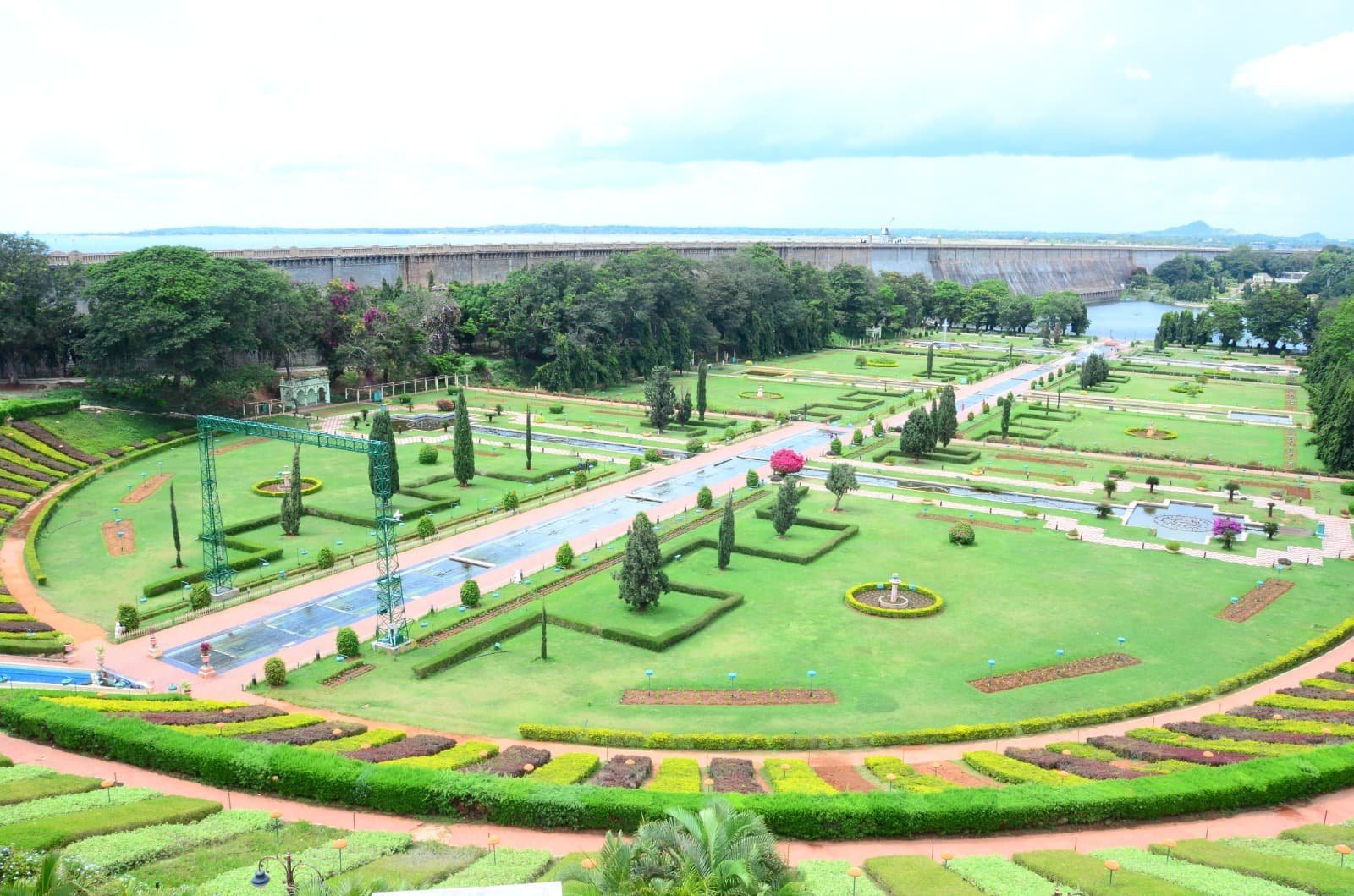
Brindavan Gardens sits beside the Krishna Raja Sagara Dam and offers one of South India’s most celebrated landscaped spaces. Terraced lawns, geometric flowerbeds, and cascading fountains create a serene environment that contrasts beautifully with the city’s historic architecture.
The gardens transform after dark when musical fountains begin their choreographed performance. Colored lights dance across the water in rhythm with music, drawing large crowds every evening. Families often bring children to enjoy this spectacle, while couples find the atmosphere romantic and calming.
Beyond the fountains, the gardens provide ample walking paths, seating areas, and photo opportunities. Visitors can spend hours exploring the different terraces, each offering unique flower arrangements and design elements. This attraction pairs well with a relaxed evening after a day of more intensive sightseeing.
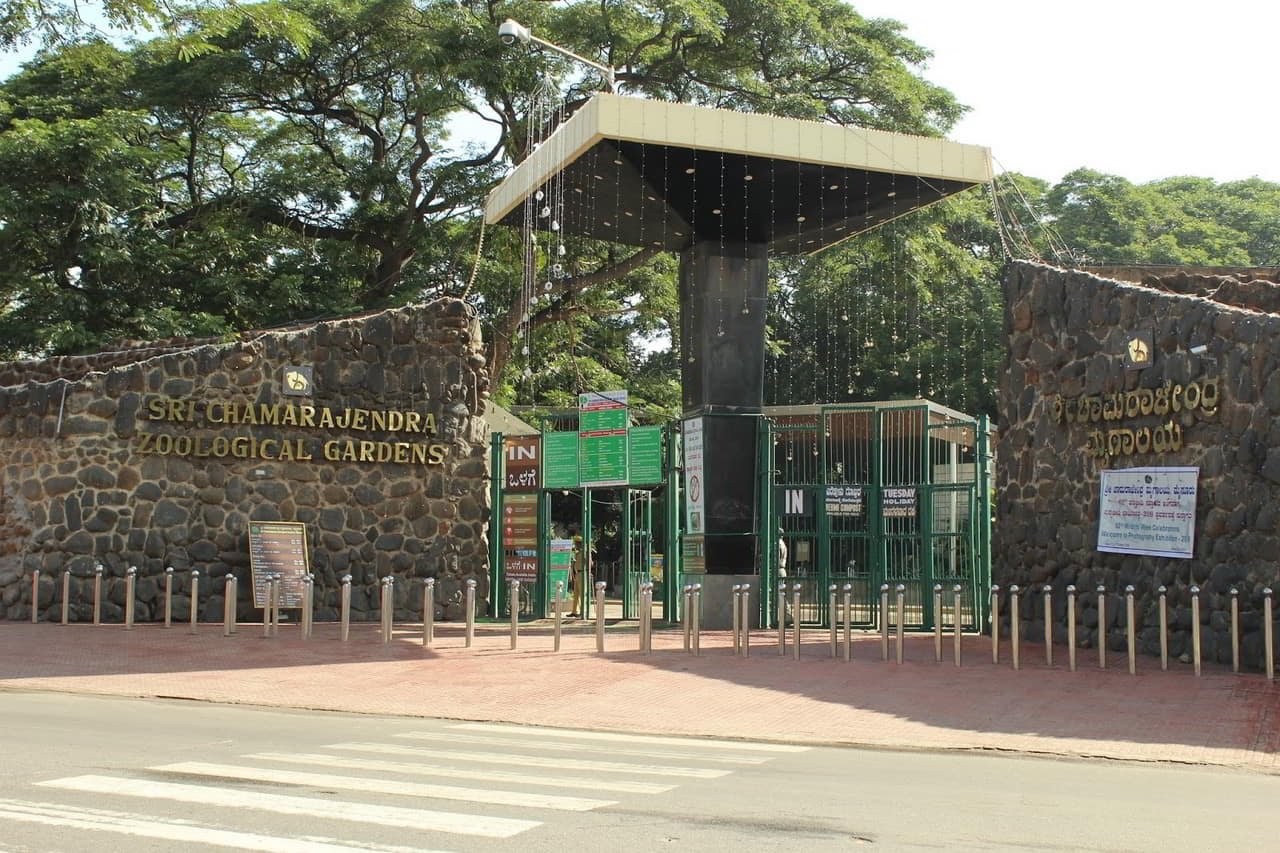
Sri Chamarajendra Zoological Gardens
Mysore Zoo ranks among India’s oldest and most well-maintained zoological parks. Spread across expansive, tree-lined grounds, this facility houses a wide variety of species, including big cats, elephants, and rare birds. Wide pathways and shaded seating make the visit comfortable even during warmer months.
Conservation efforts here focus heavily on breeding programs for endangered species. The zoo has successfully bred several threatened animals, contributing meaningfully to broader conservation goals. Educational signage throughout the park helps visitors understand these efforts and appreciate the biodiversity on display.
Families particularly enjoy this attraction, since children engage easily with the variety of animals and open layout. Delta Smart World recommends allocating at least two hours to explore the grounds thoroughly without feeling rushed.
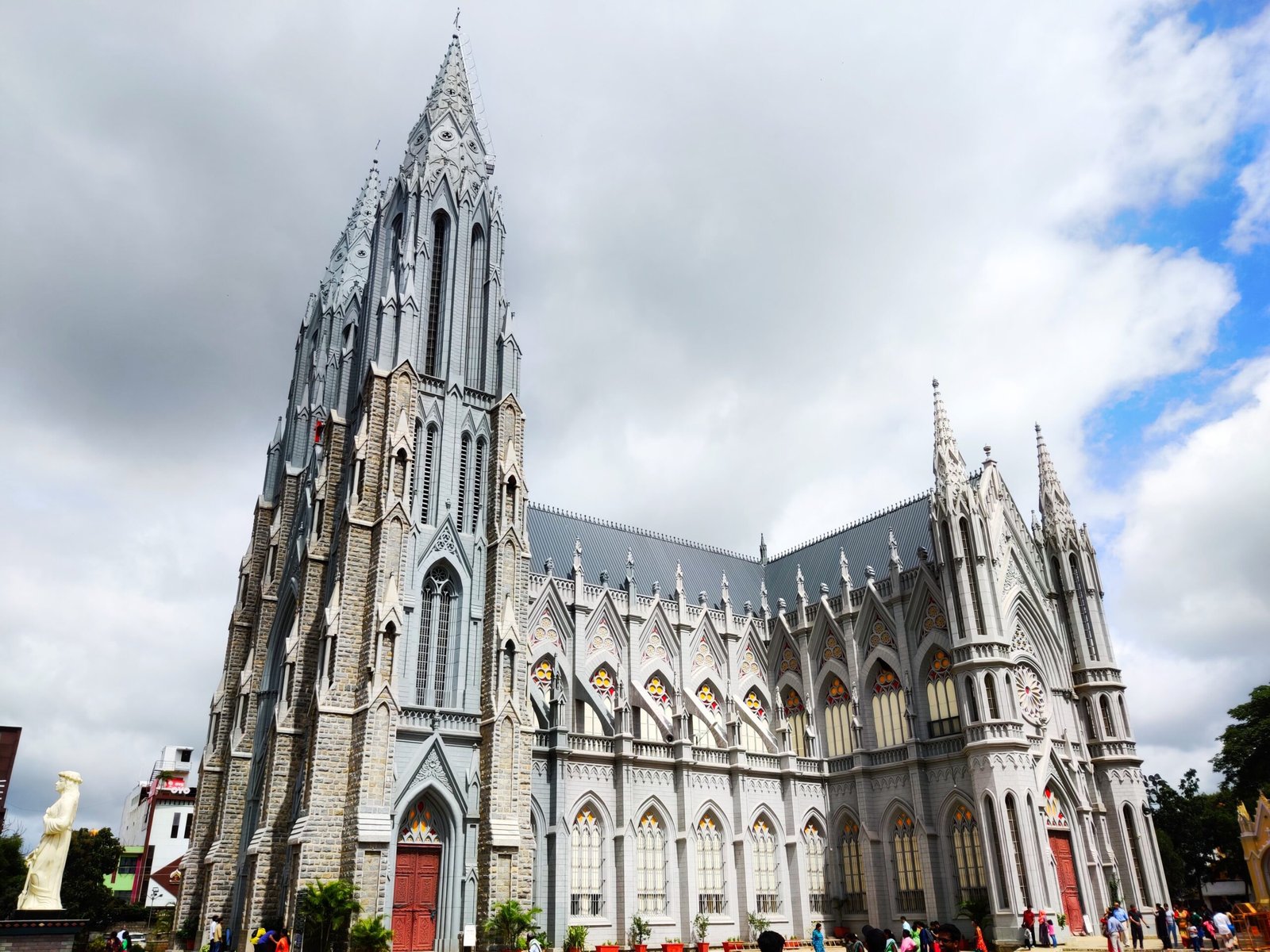
St. Philomena’s Church
This Neo-Gothic cathedral stands among the tallest churches in Asia. It offers a striking contrast to Mysore’s Hindu and Islamic architectural influences. Twin spires rise dramatically above the city, visible from various points across Mysore.
Inside, stained-glass windows depict biblical scenes, while vaulted ceilings create a sense of soaring space. The underground crypt adds another layer of architectural interest for visitors who appreciate historical detail. This site demonstrates Mysore’s multicultural character and its openness to diverse architectural traditions.
Visitors of all backgrounds find the church worth exploring, whether for its religious significance or simply its architectural beauty. Photography enthusiasts particularly appreciate the interplay of light through the colored glass windows.
Jaganmohan Palace and Art Gallery
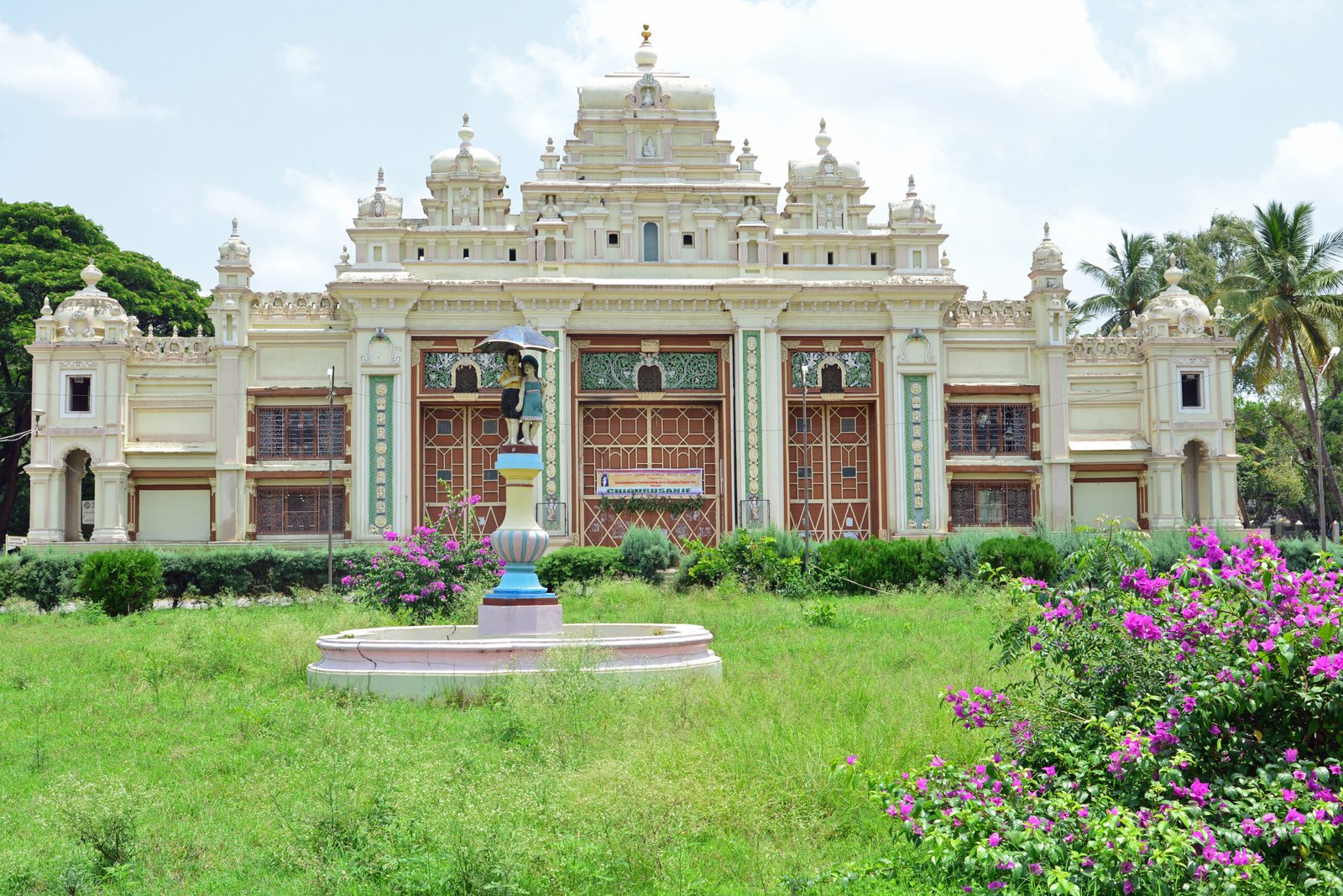
Jaganmohan Palace predates Mysore Palace and now functions as an art gallery showcasing paintings, sculptures, and royal memorabilia. This collection includes works by renowned Indian artists, offering visitors insight into the region’s artistic heritage.
The gallery’s traditional Mysore paintings deserve particular attention. They showcase intricate gold leaf work and vibrant natural pigments unique to this region. Musical instruments, ceremonial items, and royal portraits round out the collection, giving art lovers plenty to explore.
This attraction suits travelers who want a quieter, more contemplative experience compared to the bustling energy around Mysore Palace. The relatively smaller crowds make it easy to appreciate each piece without feeling rushed.
Karanji Lake Nature Park
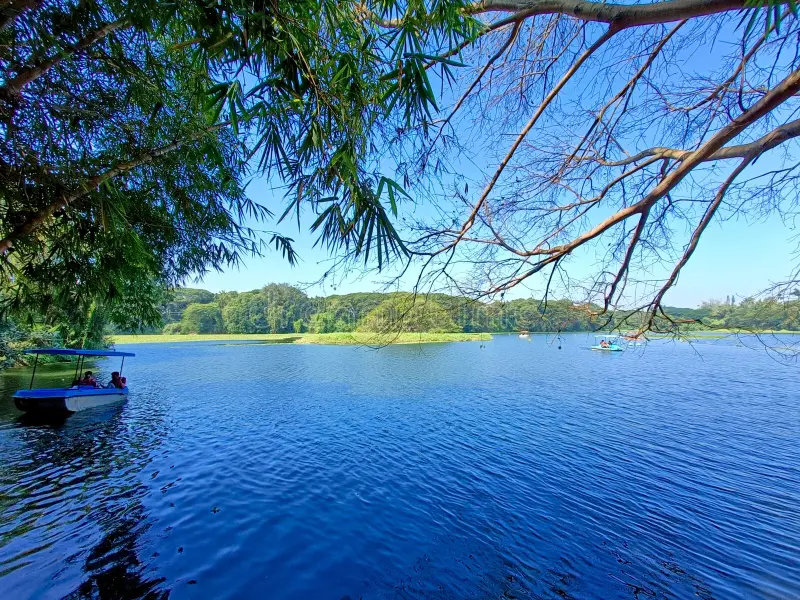
Karanji Lake offers a peaceful escape within the city, combining a scenic lake with a walk-through aviary and butterfly park. Bird watchers flock here to observe both resident and migratory species across different seasons.
A network of walking trails circles the lake, giving visitors options for short strolls or longer nature walks. Paddle boats allow guests to explore the water directly, adding an interactive element to the visit. The surrounding greenery provides a refreshing contrast to the more architecturally dense parts of the city.
This park works particularly well for travelers seeking a slower pace after visiting Mysore’s grander monuments. Nature lovers and photographers both find plenty to appreciate throughout the grounds.
Rail Museum
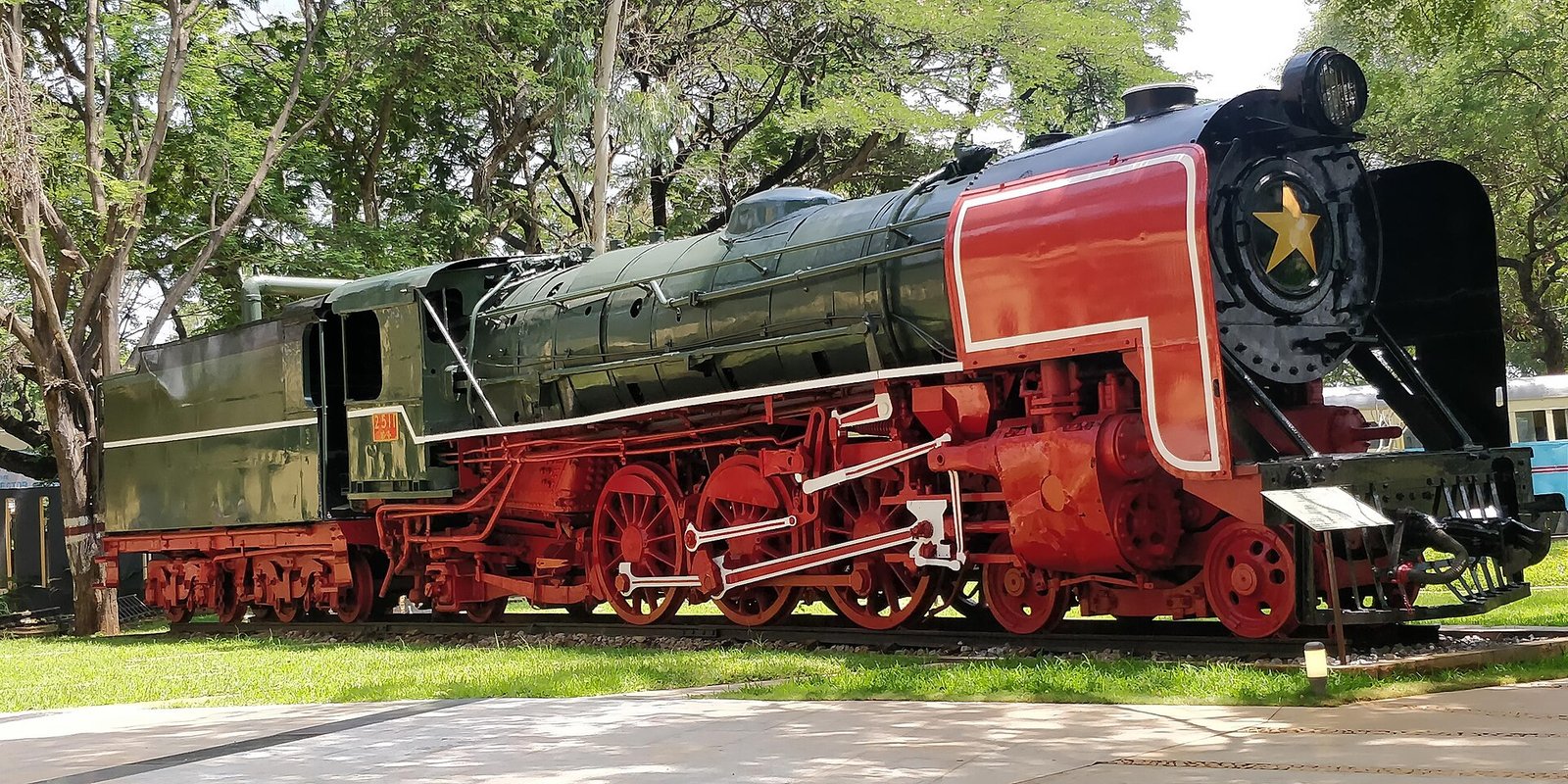
Mysore’s Rail Museum preserves vintage locomotives and royal train carriages that once carried Mysore’s maharajas across the region. Rail enthusiasts and history buffs both appreciate the detailed exhibits and beautifully restored engines on display.
Children particularly enjoy the miniature train ride available on-site, making this attraction suitable for family visits. The museum’s compact size means visitors can explore it thoroughly within an hour. This makes it easy to fit into a broader sightseeing itinerary.
Ready to Plan Your Vacations/Holidays?
Reach out to Delta Smart World’s team of destination specialists today!
Quick Overview of Top Mysore Attractions
| Attraction | Best Time to Visit | Highlight |
|---|---|---|
| Mysore Palace | Evening | Illuminated architecture |
| Chamundi Hill | Early morning or sunset | Panoramic city views |
| Brindavan Gardens | Evening | Musical fountain show |
| Mysore Zoo | Morning | Conservation programs |
| St. Philomena’s Church | Midday | Neo-Gothic architecture |
| Jaganmohan Palace | Afternoon | Traditional art collection |
| Karanji Lake | Morning or evening | Birdwatching and nature trails |
| Rail Museum | Afternoon | Vintage royal locomotives |
Mysore’s Cultural Heritage and Traditions
Culture forms the backbone of every meaningful trip to Indian Mysore. This city does not simply preserve its heritage inside museums; it lives that heritage through daily rituals, crafts, and celebrations. Understanding these traditions helps travelers connect more deeply with everything they see and experience.
Mysore Silk: A Legacy Woven in Threads
Mysore silk enjoys global recognition for its quality, sheen, and craftsmanship. Weavers use pure mulberry silk combined with zari threads to create sarees that carry both beauty and cultural significance. The Karnataka Silk Industries Corporation continues this tradition, maintaining quality standards established decades ago.
Visitors can observe the weaving process at select facilities, watching skilled artisans transform raw silk into finished garments. This craft requires patience and precision, and each saree reflects hours of dedicated work. Many travelers choose to bring home a piece of this heritage, appreciating both its beauty and its cultural weight.
Sandalwood: The Fragrance of Mysore
Sandalwood carries deep cultural and religious significance throughout Karnataka, and Mysore stands as its historic center. Local artisans carve intricate sculptures, boxes, and religious items from this fragrant wood. The scent itself has become synonymous with the city’s identity.
Sandalwood oil production also plays an important economic role in the region. Visitors interested in this craft can explore workshops where artisans demonstrate traditional carving techniques passed down through generations. This tradition connects directly to temple rituals, since sandalwood paste features prominently in religious ceremonies across South India.
Classical Arts and Performances
Mysore has long served as a center for Carnatic music and classical dance. Royal patronage historically supported musicians and dancers, and this legacy continues through contemporary cultural institutions. Travelers who attend a classical music concert or Bharatanatyam performance witness artistic traditions that stretch back centuries.
Cultural centers throughout the city host regular performances, especially during festival seasons. These events offer visitors an authentic glimpse into Karnataka’s artistic soul, far beyond what typical sightseeing provides.
Expert Tip from Delta Smart World: Check local cultural calendars before your trip. Timing a visit around a classical performance adds tremendous depth to the overall experience.
Mysore Painting: An Artistic Tradition
Mysore painting represents a distinctive South Indian art form known for its intricate detailing and use of gold leaf. Artists historically depicted Hindu deities and mythological scenes using natural pigments and meticulous technique. This tradition flourished under royal patronage and continues today through dedicated artist communities.
Galleries and workshops throughout Mysore showcase this art form, allowing visitors to appreciate both historical pieces and contemporary interpretations. The craftsmanship involved demands significant skill, and each painting tells a story rooted in Hindu mythology and regional history.
Ready to Plan Your Vacations/Holidays?
Reach out to Delta Smart World’s team of destination specialists today!
Culinary Experiences in Indian Mysore
Food plays a central role in understanding any destination, and Mysore delivers flavors that reflect its royal and cultural heritage. Traditional South Indian cuisine dominates local menus, but Mysore also boasts several dishes unique to the region.
Mysore Pak: A Royal Sweet
Mysore Pak originated in the kitchens of the Mysore Palace and remains one of India’s most beloved sweets. Made from gram flour, ghee, and sugar, this dessert offers a rich, melt-in-the-mouth texture that has captivated visitors for generations. Local sweet shops throughout the city sell fresh batches daily. Many travelers consider tasting authentic Mysore Pak an essential part of their trip.
Mysore Masala Dosa
This crispy, spiced dosa variant differs from standard versions through its distinctive red chutney spread beneath a potato filling. Local restaurants prepare this dish using techniques refined over generations, creating a flavor profile that balances heat, tang, and comfort. Food enthusiasts often rank this dish among South India’s most iconic breakfast options.
Exploring Local Markets and Street Food
Devaraja Market offers travelers an immersive culinary and cultural experience. Vendors sell fresh produce, flowers, spices, and traditional sweets within a bustling, colorful setting. Walking through this market engages all the senses, from vibrant colors to rich aromas.
Street food stalls throughout the city serve everything from crispy vadas to filter coffee brewed with distinctive South Indian techniques. Travelers who explore these local eateries often discover flavors that larger restaurants simply cannot replicate.
Popular local dishes worth trying include:
- Mysore Bonda
- Ragi Mudde with sambar
- Filter coffee
- Obbattu (sweet flatbread)
- Kesari Bath
Best Time to Visit Indian Mysore
Timing significantly influences the quality of any Mysore trip. Weather conditions, festival schedules, and crowd levels all shift throughout the year. Understanding these patterns helps travelers plan more effectively.
| Season | Months | Weather Conditions | Recommended For |
|---|---|---|---|
| Winter | November to February | Cool and pleasant | Sightseeing and outdoor activities |
| Summer | March to May | Hot and dry | Early morning visits, indoor attractions |
| Monsoon | June to September | Moderate rainfall | Lush landscapes, fewer crowds |
| Festival Season | September to October | Pleasant, vibrant | Mysore Dasara celebrations |
Winter months offer the most comfortable weather for extensive sightseeing, since temperatures stay mild and skies remain clear. Travelers who prioritize comfort should plan trips within this window. However, those who want to witness Mysore Dasara should target late September through October. This festival transforms the entire city into a celebration of light, color, and tradition.
Monsoon season appeals to travelers seeking a quieter experience with fewer tourists. Rainfall enhances the greenery throughout Brindavan Gardens and Karanji Lake, creating a lush, refreshing atmosphere. Summer months work best for early morning excursions, since afternoon heat can make extended outdoor activity uncomfortable.
How to Reach Indian Mysore
Mysore connects well to major Indian cities through multiple transportation options. This connectivity makes the city accessible for travelers with different preferences.
| Mode of Transport | Details |
|---|---|
| By Air | Mysore Airport offers limited domestic connectivity; Bengaluru’s Kempegowda International Airport serves as the primary gateway |
| By Train | Mysore Junction connects directly to Bengaluru, Chennai, and other major cities |
| By Road | Well-maintained highways connect Mysore to Bengaluru, roughly a three-hour drive |
Most international travelers fly into Bengaluru before continuing to Mysore by road or rail. This route remains popular because it combines convenience with scenic countryside views along the way. Train travel offers a comfortable, relaxed alternative. Private car transfers provide flexibility for travelers who prefer a more personalized journey.
Mysore Beyond the City: Day Trips and Nearby Attractions
Indian Mysore serves as an excellent base for exploring the surrounding region. Several remarkable attractions sit within comfortable driving distance, allowing travelers to extend their itinerary without significant additional travel time.
Srirangapatna
This historic island town once served as the capital of Tipu Sultan’s kingdom and holds significant historical weight. Visitors explore Tipu Sultan’s Summer Palace, the Ranganathaswamy Temple, and remnants of fortifications that once protected this strategic location. History enthusiasts find this destination particularly rewarding, since it connects directly to major events in South Indian history.
Ranganathittu Bird Sanctuary
Bird watchers travel specifically to Ranganathittu, one of Karnataka’s premier sanctuaries for migratory and resident bird species. Boat rides along the Kaveri River allow visitors to observe painted storks, herons, and other species in their natural habitat. This sanctuary offers a peaceful, nature-focused counterpoint to Mysore’s architectural attractions.
Somnathpur Temple
The Chennakeshava Temple at Somnathpur showcases Hoysala architecture at its finest. Intricate stone carvings cover every surface, depicting mythological scenes with remarkable precision. Architecture enthusiasts consider this temple among the finest examples of Hoysala craftsmanship anywhere in India.
Nagarhole National Park
This national park offers wildlife enthusiasts a chance to spot elephants, tigers, and diverse bird species. Safari experiences here provide a different pace compared to Mysore’s urban attractions. This slower rhythm appeals to travelers who want to balance culture with nature.
Experiencing Luxury Travel in Indian Mysore with Delta Smart World
Luxury travel in Mysore extends beyond simply booking a nice hotel room. It involves curated access, thoughtful planning, and attention to details that transform a good trip into an exceptional one. Delta Smart World approaches Mysore travel through this comprehensive lens.
How does Delta Smart World enhance a Mysore trip?
Our team identifies properties that combine comfort with authentic character, ensuring guests experience genuine Mysore hospitality rather than generic luxury. We coordinate access to cultural experiences and recommend optimal timing for major attractions. This groundwork helps travelers avoid pitfalls that can disrupt an otherwise wonderful trip.
What makes Mysore ideal for luxury travelers?
Mysore offers a rare combination of rich culture and relative tranquility compared to India’s larger metropolitan destinations. Travelers can experience royal history, natural beauty, and culinary discovery without the overwhelming pace found in busier cities. This balance appeals strongly to members seeking meaningful, restorative travel experiences.
Why does local expertise matter for this destination?
Mysore rewards travelers who understand its rhythms. This ranges from optimal visiting hours at major sites to lesser-known cultural experiences that most tourists overlook. Delta Smart World’s ground-level familiarity with the region matters here. Our members receive recommendations grounded in genuine, verified knowledge rather than generic travel advice.
Practical Tips for Traveling in Indian Mysore
Preparation significantly improves any travel experience, and Mysore rewards travelers who arrive informed. The following guidance helps visitors navigate the city smoothly and respectfully.
- Dress modestly when visiting temples and religious sites, since this shows respect for local customs.
- Remove footwear before entering temples, a standard practice throughout the region.
- Carry water during daytime excursions, especially in warmer months.
- Negotiate respectfully when shopping in local markets, since bargaining forms part of the cultural experience.
- Learn a few Kannada phrases, since locals appreciate the effort even if English remains widely understood.
- Plan palace visits around illumination hours to witness the structure at its most spectacular.
Expert Tip from Delta Smart World: Arrange transportation in advance for major attractions during festival season. Traffic increases significantly during Dasara, and pre-planned routes save valuable time.
Etiquette at Religious and Cultural Sites
Respecting local customs enhances both the traveler’s experience and the community’s perception of visitors. Temples often prohibit photography in certain inner sanctums, so travelers should observe posted signage carefully. Speaking softly and moving calmly through crowded religious spaces shows consideration. Worshippers visit these sites for genuine spiritual purposes, and respect matters.
Many temples also maintain specific dress codes, sometimes requiring visitors to cover shoulders and knees. Checking these requirements before arrival prevents unnecessary complications and ensures a smoother visit overall.
Sustainable and Responsible Tourism in Mysore
Responsible travel matters increasingly to modern visitors, and Mysore offers several ways to explore thoughtfully. Supporting local artisans directly, rather than mass-produced alternatives, helps sustain traditional crafts like silk weaving and sandalwood carving. Choosing accommodations that prioritize environmental responsibility also contributes positively to the region’s long-term sustainability.
Local conservation efforts around Ranganathittu Bird Sanctuary and Nagarhole National Park depend partly on tourism revenue. This funding supports habitat protection and wildlife monitoring. Travelers who visit these sites contribute directly to conservation goals. Tourism becomes a positive force rather than a purely extractive activity.
According to the Official Incredible India tourism portal, Karnataka continues investing in sustainable heritage tourism initiatives throughout the state. This investment reflects a broader national commitment to responsible travel.
Travelers can further support sustainability by minimizing plastic use and respecting wildlife boundaries during safaris. Choosing tour operators who prioritize ethical practices also helps. These small choices collectively help preserve Mysore’s cultural and natural heritage for future generations.
Building the Perfect Mysore Itinerary
Balancing culture, nature, and relaxation requires thoughtful planning, especially for travelers with limited time. A well-structured itinerary allows visitors to experience Mysore’s highlights without feeling rushed or overwhelmed.
A balanced three-day approach might include:
- Day One: Focus on Mysore Palace, Jaganmohan Palace, and the illuminated evening palace display.
- Day Two: Explore Chamundi Hill, Devaraja Market, and Brindavan Gardens for the fountain show.
- Day Three: Take a day trip to Srirangapatna and Ranganathittu Bird Sanctuary.
This structure balances architectural exploration, cultural immersion, and natural beauty across a manageable timeframe. Travelers with additional days can extend this itinerary. Nagarhole National Park and deeper exploration of local craft workshops both make excellent additions.
Flexibility remains important throughout the planning process, since festival timing, weather, and personal interests all influence the ideal itinerary structure. Delta Smart World tailors each itinerary individually. Travelers experience Mysore according to their specific interests rather than a rigid template.
Ready to Plan Your Vacations/Holidays?
Reach out to Delta Smart World’s team of destination specialists today!
Where to Stay: Choosing the Right Accommodation in Mysore
Accommodation choice shapes the entire feel of a Mysore trip. This city offers a genuinely varied range of stays, from heritage properties to contemporary retreats. Each option delivers a different kind of experience. Understanding these categories helps travelers select a base that matches their travel style.
Heritage Palace Stays
Several properties in and around Mysore occupy restored royal buildings, letting guests step directly into the region’s aristocratic past. These heritage stays feature soaring ceilings, antique furnishings, and courtyards that echo the architectural language of Mysore Palace itself. Staying in one of these properties turns accommodation into part of the cultural itinerary rather than a simple overnight stop.
Guests who choose heritage stays often describe the experience as immersive rather than purely comfortable. Staff at these properties frequently share stories about the building’s history, adding context that guidebooks rarely capture. Delta Smart World evaluates these properties carefully, checking that restoration work respects original architecture while still delivering modern comfort.
Contemporary Luxury Resorts
Travelers who prefer modern amenities alongside cultural proximity often choose contemporary resorts on the outskirts of the city. These properties typically feature landscaped grounds, spacious rooms, and easy access to major attractions without the density of central Mysore. Many also incorporate design elements inspired by local architecture, creating a bridge between tradition and modern comfort.
These resorts suit families and groups particularly well. They often provide more space and recreational facilities than smaller heritage properties. Quiet surroundings also help travelers recover from full days of sightseeing. Mysore rewards visitors who pace themselves rather than rushing between attractions.
Wellness and Ayurveda Retreats
Mysore sits within a region deeply connected to Ayurvedic tradition, and several properties nearby specialize in wellness-focused stays. These retreats combine traditional treatments, yoga sessions, and carefully designed menus that support relaxation and rejuvenation. Travelers extending a Mysore trip with a wellness component often report feeling genuinely restored by the end of their stay.
This style of accommodation suits travelers who want to slow down after exploring temples, palaces, and markets. Combining cultural sightseeing with a wellness retreat creates a naturally balanced itinerary, blending stimulation with genuine rest.
Expert Tip from Delta Smart World: Choose accommodation location based on your priorities. Properties near Chamundi Hill suit travelers who value morning views. Central locations favor those who prioritize walkable access to markets and palaces.
What Delta Smart World Looks for in a Mysore Property
Our evaluation process considers several factors before any property earns a place in our curated portfolio. Location matters significantly, since proximity to major attractions reduces travel fatigue during a trip. Authenticity matters equally, since we prioritize properties that reflect genuine local character rather than generic international design.
Service quality receives close scrutiny throughout our evaluation process. Our team visits each property personally, testing everything from check-in efficiency to housekeeping standards. This hands-on approach ensures that every recommendation reflects real, verified quality rather than marketing claims alone.
Shopping in Mysore: Markets, Crafts, and Local Treasures
Shopping in Mysore extends far beyond typical souvenir hunting. The city’s markets and craft centers offer genuine insight into regional traditions. Browsing them becomes an experience in itself, not a simple transaction.
Devaraja Market in Detail
This market has operated for generations and remains one of Mysore’s most vibrant public spaces. Rows of vendors sell fresh flowers, spices, fruits, and traditional items within a historic covered structure. Walking through these narrow aisles immerses visitors in the sounds, colors, and aromas that define everyday life in Mysore.
Photographers find this market particularly rewarding, since the interplay of light, color, and activity creates constantly changing scenes. Even travelers who do not plan to purchase anything find the market worth exploring simply for the atmosphere.
Craft Villages and Artisan Workshops
Several neighborhoods around Mysore specialize in specific crafts, from sandalwood carving to silk weaving. Visiting these workshops directly allows travelers to understand production techniques while supporting artisans who maintain these traditions. Many workshops welcome visitors and demonstrate their processes, turning a shopping trip into an educational experience.
Notable craft specialties in the region include:
- Sandalwood carvings and incense
- Handwoven Mysore silk textiles
- Traditional Mysore paintings
- Rosewood inlay work
- Handmade agarbatti (incense sticks)
Frequently Asked Questions
Indian Mysore earns fame through its royal palaces, especially Mysore Palace, along with rich cultural traditions. The city also holds recognition for Mysore silk, sandalwood craftsmanship, and the grand Dasara festival.
Most travelers find that three to four days allow sufficient time to explore Mysore’s major attractions. This timeframe covers the palace, temples, gardens, and one nearby day trip.
Mysore generally maintains a strong reputation for traveler safety. The city stays relatively calm, though standard precautions like safeguarding valuables still apply.
Travelers hoping to experience Mysore Dasara should plan visits during late September through October. Booking accommodations early matters, and the illuminated palace displays plus the grand procession offer the most memorable moments.
Vegetarian travelers will find Mysore exceptionally accommodating, since South Indian cuisine naturally emphasizes vegetarian dishes. Local restaurants and even street food vendors offer extensive plant-based options.
Mysore offers several distinctive souvenirs that reflect its cultural heritage. Silk sarees, sandalwood carvings, traditional paintings, and incense rank among the most popular choices.
Final Thoughts on Exploring Indian Mysore
Indian Mysore offers travelers a rare combination of architectural grandeur, living culture, and natural beauty within an accessible destination. From the illuminated splendor of Mysore Palace to the tranquil trails of Karanji Lake, this city rewards curious exploration. Every turn offers something new. Its festivals, culinary traditions, and artisan crafts create layers of experience that unfold gradually. Travelers slow down here and truly absorb what makes this destination special.
Delta Smart World remains committed to helping members discover destinations like Indian Mysore through carefully curated, authentic experiences. Our approach prioritizes genuine cultural connection alongside comfort and reliability. Every journey reflects both the destination’s character and our members’ expectations. Whether travelers seek royal history, spiritual reflection, or simply a beautiful place to unwind, Indian Mysore delivers a journey. It stays worth remembering long after the trip ends.