
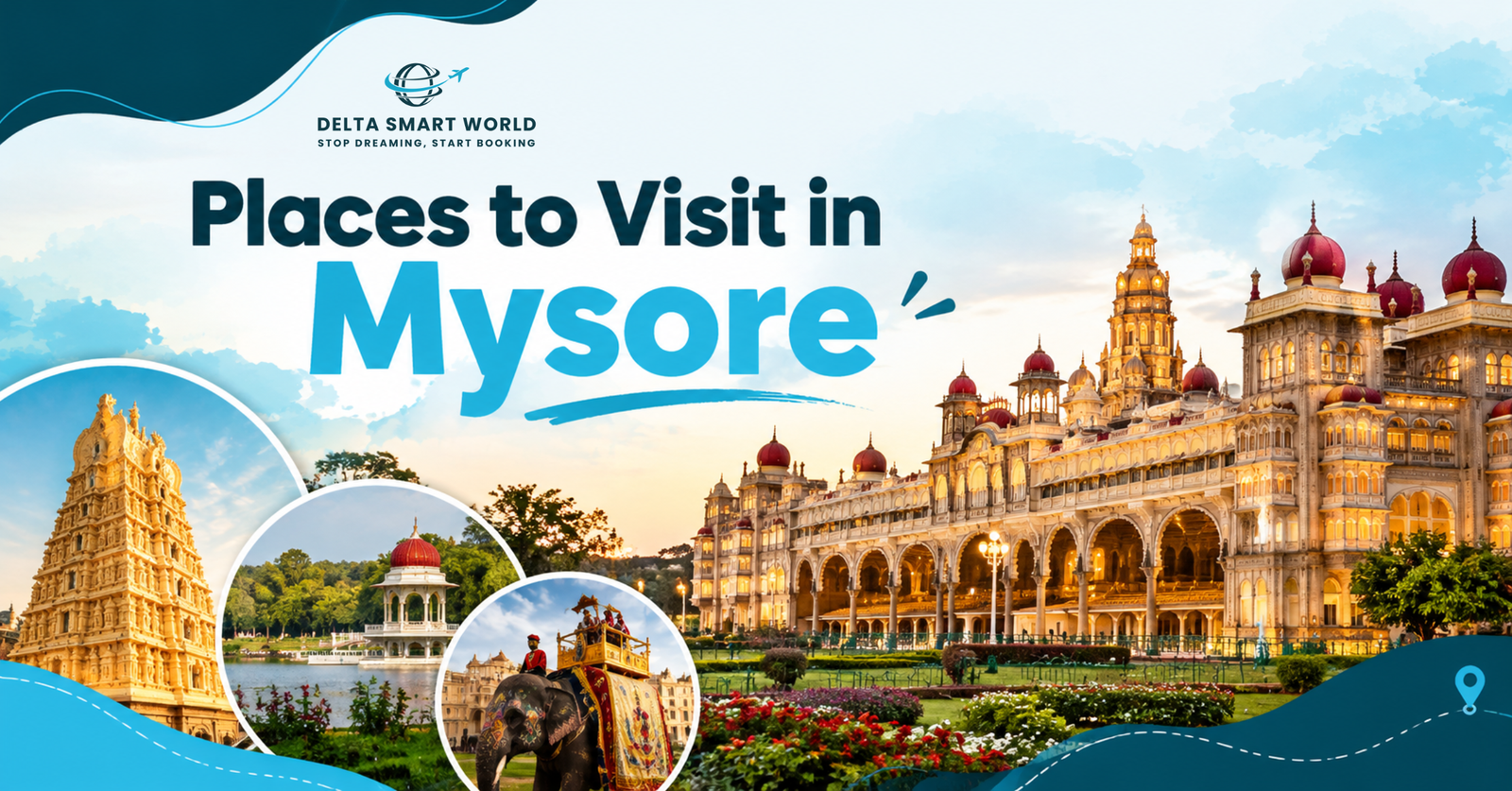
The best places to visit in mysore include Mysore Palace, Chamundi Hills, Brindavan Gardens, Jaganmohan Palace, St. Philomena’s Church, Karanji Lake, and Devaraja Market. Together, these sights capture the royal history, spiritual depth, and everyday charm of this South Indian city. Travelers also find rewarding day trips nearby, including Srirangapatna, Somanathapura, and Ranganathittu Bird Sanctuary.
Mysore rewards slow travel. The city sits in southern Karnataka, and locals now often call it Mysuru. Its wide avenues, heritage buildings, and leafy neighborhoods invite you to explore on foot. Moreover, the city keeps a calm rhythm that big metros rarely match. You can see a palace in the morning, climb a sacred hill at noon, and watch a garden light up at dusk.
Our team at Delta Smart World has studied mysore closely. We look at how each sight feels, how it flows into a day, and how it fits a luxury traveler’s expectations. This guide shares that perspective. First, you will find a quick overview. Then we move through palaces, temples, gardens, markets, and day trips. Finally, we offer itineraries, seasonal advice, and detailed FAQs.
Why Mysore Belongs on Your Travel List
Many destinations offer beauty. Fewer destinations offer beauty with such a strong sense of identity. Mysore stands apart because the Wadiyar dynasty shaped it for centuries. The royal family championed art, music, architecture, and festivals. As a result, the city still feels like a cultural capital.
Visitors notice this heritage everywhere. The palace towers dominate the skyline. Silk saris shimmer in shop windows. Jasmine and sandalwood scent the air near markets and temples. In addition, classical music and dance echo through auditoriums during festival season. Mysore does not stage its traditions for tourists. The city simply lives them.
The city also suits several travel styles. History lovers find palaces and forts. Spiritual travelers find ancient temples and quiet hilltop shrines. Nature enthusiasts find lakes, bird sanctuaries, and forest reserves within a short drive. Families enjoy the zoo and the gardens. Couples enjoy sunset views and heritage dining.
Furthermore, mysore works well as a base for wider journeys. Coorg, Ooty, Bandipur, and Nagarhole all sit within reach. Therefore, you can pair a cultural city stay with a nature escape. That flexibility makes mysore a smart choice for both short breaks and longer vacations.
What Makes Mysore Different From Other Heritage Cities
Mysore feels organized and walkable. Wide roads and planned layouts make navigation easy. The city also stays remarkably clean by Indian standards. Consequently, visitors feel relaxed from the first hour.
The pace matters too. You will not feel rushed between sights. Most major attractions cluster within a compact area. Meanwhile, the surrounding countryside offers dramatic contrast with green fields, rivers, and temple towns.
Expert Tip: Plan mysore around energy, not just distance. Schedule heavy sightseeing in the morning. Save gardens, markets, and slow dinners for the evening.
Mysore at a Glance
Before diving deeper, review this quick comparison. It helps you choose the right sights for your interests and time.
| Place | Best For | Ideal Time of Day | Suggested Visit Length |
|---|---|---|---|
| Mysore Palace | Royal history, architecture | Morning or evening | 2–3 hours |
| Chamundi Hills | Spirituality, views | Early morning | 2–3 hours |
| Brindavan Gardens | Fountains, evening ambiance | Late afternoon to dusk | 2 hours |
| Jaganmohan Palace | Art and heritage | Midday | 1–2 hours |
| St. Philomena’s Church | Architecture, photography | Morning | 45 minutes |
| Karanji Lake | Birds, butterflies, families | Morning | 1–2 hours |
| Devaraja Market | Local culture, color | Morning | 1–2 hours |
| Lalitha Mahal Palace | Grand interiors, heritage dining | Afternoon or evening | 1–2 hours |
| Srirangapatna | Fort, temples, riverfront | Full day trip | 5–6 hours |
| Somanathapura | Hoysala sculpture | Morning | 1–2 hours |
Use this table as a starting point. Then read the detailed sections below to match each place with your personal style.
The Royal Heart of Mysore: Palaces and Heritage
Royal heritage defines mysore. The Wadiyar rulers left behind palaces, galleries, and museums that still anchor the city. Visiting them gives you a direct line into the region’s past. In addition, each building tells a different story about art, power, and craftsmanship.
Mysore Palace
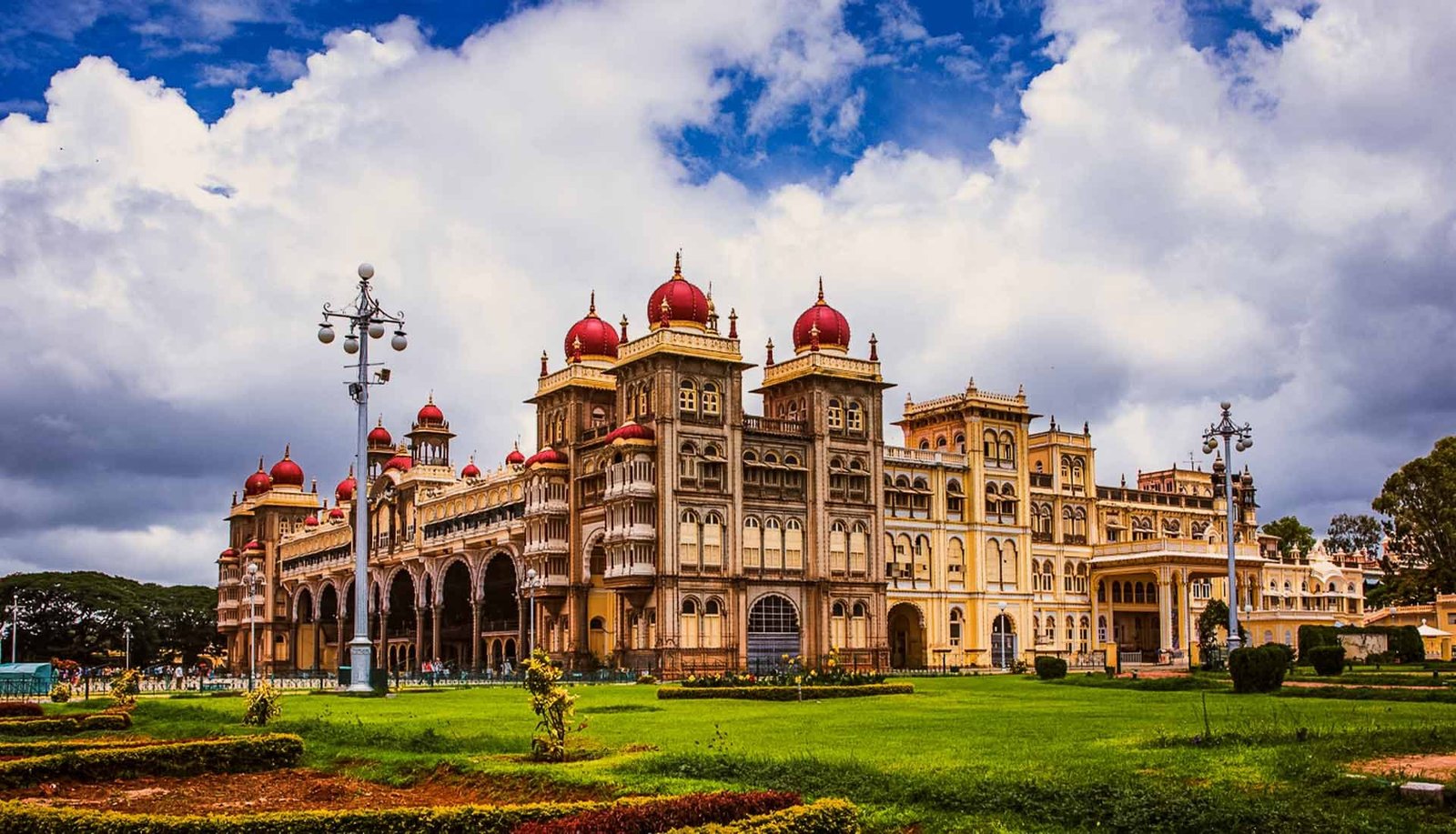
Mysore Palace ranks first on almost every list of places to visit in mysore. It sits at the center of the city and dominates the surrounding streets. The Wadiyar kings made it their official residence. After a fire destroyed the old wooden palace, the royal family commissioned a new one. Architect Henry Irwin led the design, and the project finished in the early twentieth century.
The result blends several styles. You will spot Hindu, Islamic, Rajput, and Gothic influences. Domes, arches, and turrets rise in layers. Stone and ornate ironwork add depth to the facade. Inside, stained glass ceilings, carved wooden doors, and gilded pillars dazzle at every turn.
What to Look For Inside
Start in the Durbar Hall. This vast hall hosted royal gatherings, and its painted ceiling and polished floors still impress. Next, step into the Kalyana Mantapa, the wedding hall. Its octagonal glass ceiling filters colored light across the floor. Then explore the Ambavilasa, the private audience hall. Silver doors and elaborate pillars frame the space.
The palace also houses galleries of paintings, weapons, and royal artifacts. Therefore, allow enough time to move slowly. Rushing through the rooms means missing the finest details.
The Palace at Night
The palace transforms after dark on special evenings. Thousands of bulbs outline its domes and arches. The glow spreads across the gardens and the surrounding lawns. Photographers love this view. Moreover, the illumination during the festival season creates one of India’s most memorable evening spectacles.
Expert Tip: Arrive early to enjoy softer light and thinner crowds. Wear comfortable footwear that you can remove easily, because visitors leave shoes outside certain areas.
Practical Insights for Your Visit
- Carry a light bag, because security rules restrict large items.
- Check photography rules before you enter, since interior areas often limit cameras.
- Hire a knowledgeable guide if you want deeper stories behind each hall.
- Visit the palace temples within the complex for a quieter, devotional atmosphere.
Jaganmohan Palace and Art Gallery
Jaganmohan Palace offers a gentler counterpoint to its grand neighbor. The Wadiyar family used it as a royal residence while the main palace rose from its ashes. Today, it serves as an art gallery and museum. The building itself charms visitors with its pastel facade and wooden interiors.
Inside, you will find a remarkable collection of paintings. Raja Ravi Varma’s works draw many visitors. The gallery also displays traditional Mysore paintings, which feature gold leaf, rich colors, and graceful figures. In addition, you will see musical instruments, manuscripts, and decorative objects from royal life.
The gallery suits travelers who love art and detail. Furthermore, it rarely feels overcrowded. You can pause, look closely, and absorb each piece. That slower experience makes it a perfect midday stop, especially when temperatures climb.
Lalitha Mahal Palace
Lalitha Mahal Palace stands near the foot of Chamundi Hills. The Maharaja built it to host distinguished guests. Its white facade and grand dome echo European architecture. Wide lawns and sweeping staircases give the palace a stately presence.
Today, the palace operates as a heritage hotel. Even if you do not stay there, you can often experience its public spaces. Walk through the corridors, admire the interiors, and imagine the royal banquets that once filled the halls. Similarly, the tea lounge and dining areas let you enjoy the atmosphere in comfort.
For luxury travelers, Lalitha Mahal reflects what Delta Smart World values most. It combines heritage, craftsmanship, and gracious service. Consequently, it makes a fitting stop for guests who want elegance alongside sightseeing.
Rail Museum
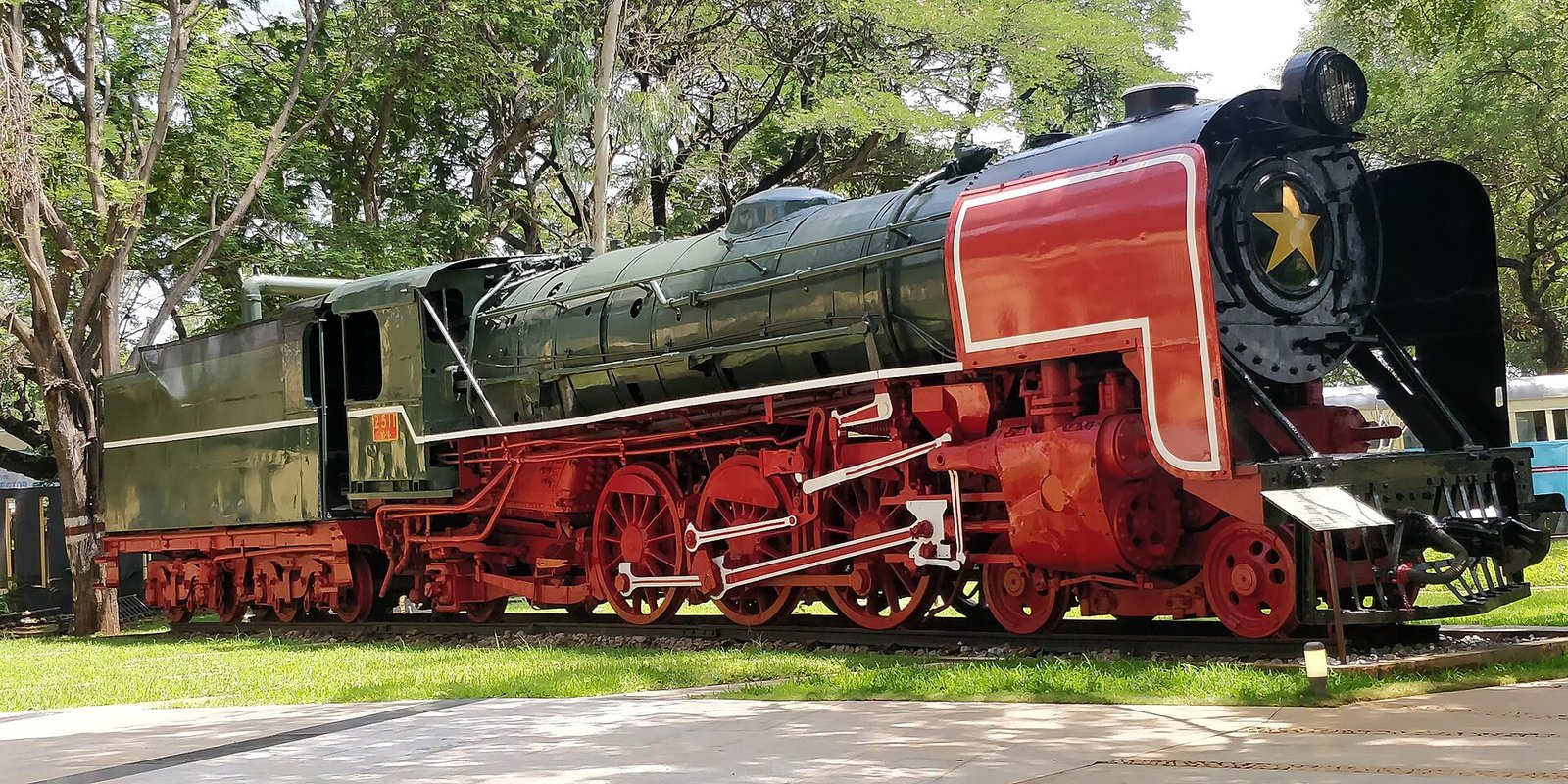
The Rail Museum surprises many first-time visitors. It displays vintage locomotives, royal saloon coaches, and railway artifacts. The Maharaja’s saloon carriage, with its elegant fittings, captures the era’s refinement. Children love climbing aboard the old engines. Meanwhile, adults appreciate the engineering history.
The museum works well as a short, lively stop. It also gives families a break from palace halls and temples. Therefore, consider it a refreshing change of pace in a busy itinerary.
Spiritual and Sacred Places in Mysore
Spirituality runs deep in mysore. Temples, churches, and shrines welcome people of many faiths. Each place offers a distinct mood, from vibrant devotion to quiet reflection.
Chamundi Hills and Chamundeshwari Temple
Chamundi Hills rise just outside the city. The hills hold the Sri Chamundeshwari Temple, which honors the goddess Chamundeshwari. Locals regard her as the guardian deity of the Wadiyar rulers and the city itself. Pilgrims arrive daily, and the atmosphere hums with chanting, bells, and incense.
The temple’s gopuram, or tower, rises in tiers of sculpted figures. Gold-toned details catch the sunlight. Inside, devotees move steadily toward the sanctum. Even visitors who do not follow the faith often feel moved by the energy.
Choosing How to Reach the Top
You can drive up the winding road in a short time. Alternatively, you can climb the ancient stone steps. The staircase has about a thousand steps. Many travelers choose the climb for the sense of pilgrimage. Along the way, you will pass resting spots and glimpses of the city below.
The climb takes effort. However, it rewards you with fresh air and a strong sense of achievement. If you prefer comfort, drive up and walk down part of the steps instead.
The Giant Nandi
Halfway up the steps, you will meet the Nandi bull. Sculptors carved this massive statue from a single block of black stone. It stands about fifteen feet tall. Garlands and offerings often drape its neck. Photographers and devotees gather around it throughout the day.
The Mahishasura Statue and Viewpoints
Near the temple, a dramatic statue of Mahishasura stands with a sword and a serpent. According to legend, Goddess Chamundeshwari defeated this demon king. The story gives the hill its spiritual weight.
The viewpoints along the hill deserve time too. From here, you can see the palace, lakes, and rooftops spread across the plain. Sunrise brings a soft, golden panorama. Sunset adds warm colors and cooler air.
Expert Tip: Start early to beat crowds and heat. Dress modestly, carry small change for offerings, and keep valuables secure near busy temple entrances.
St. Philomena’s Church
St. Philomena’s Church ranks among the most striking churches in southern India. Its neo-Gothic design features twin spires that soar skyward. Stained glass windows fill the interior with colored light. The nave feels spacious and serene.
Beneath the main hall, a crypt holds a statue of St. Philomena. Visitors often descend to this quiet space for reflection. In addition, the church’s facade photographs beautifully against a blue sky.
You do not need to share the faith to appreciate the place. The architecture, the silence, and the light create a peaceful break from the city’s energy. Because of its modest size, a visit rarely takes long. Nevertheless, it leaves a lasting impression.
Other Sacred Corners Worth Exploring
Mysore hides smaller shrines too. The Trinesvaraswamy Temple and the Prasanna Krishnaswamy Temple show how local devotion thrives in everyday life. These temples feel less crowded than famous sites. Consequently, they offer a more intimate experience.
If you want to sense mysore beyond the headline attractions, wander into a neighborhood temple at dawn. Listen to the morning prayers. Notice the flower sellers, the oil lamps, and the quiet greetings between regulars. These moments reveal the city’s soul.
Ready to Plan Your Vacations/Holidays?
Reach out to Delta Smart World’s team of destination specialists today!
Gardens, Lakes, and Wildlife in Mysore
Mysore balances heritage with greenery. Parks, lakes, and gardens soften the city’s edges. Together, they give travelers room to breathe and play.
Brindavan Gardens
Brindavan Gardens sits beside the Krishnaraja Sagara dam, a short drive from the city. Terraced lawns, flowerbeds, and fountains stretch across the landscape. Walkways wind between trees and ornamental plants. The layout inspires leisurely strolls.
The real magic arrives at dusk. The musical fountain comes alive with light and sound. Water jets rise and fall in rhythm to music. Colors shift across the spray. Crowds gather to watch, and the mood turns festive.
How to Enjoy Brindavan at Its Best
Arrive in the late afternoon. This timing lets you explore the gardens in soft light before the show begins. Then find a good viewing spot early. Furthermore, you can enjoy the dam’s scenic backdrop during the golden hour.
Families, couples, and friend groups all enjoy this stop. However, it becomes busy on weekends and holidays. Therefore, plan a weekday visit if you prefer calmer surroundings.
Expert Tip: Carry a light jacket for the evening breeze. Keep your camera ready, since the fountain show moves quickly.
Karanji Lake and the Butterfly Park
Karanji Lake lies close to the zoo and offers a peaceful nature retreat. A walking path circles the water, and trees line the banks. Many migratory and resident birds visit the lake. Birdwatchers often spot herons, cormorants, and ducks.
The lake also hosts a walk-through aviary and a butterfly park. Inside the butterfly park, hundreds of colorful butterflies flutter around you. The space feels magical, especially for children. In addition, the aviary lets you observe birds up close.
Visit in the morning for cooler air and active wildlife. Moreover, the lake’s calm setting provides a gentle start to your day.
Sri Chamarajendra Zoological Gardens
The Mysore Zoo ranks among the oldest and best-maintained zoos in India. It spreads across a large, shaded campus. Wide paths and landscaped enclosures make walking pleasant. Animals roam in spacious settings that mimic natural habitats.
You can see elephants, tigers, giraffes, and many bird species. The zoo also supports conservation and breeding programs. Therefore, your visit contributes to a larger purpose.
Families love this stop. It also suits travelers who want a relaxed, educational afternoon. Allow plenty of time, because the grounds are extensive. Bring water and wear comfortable shoes.
Kukkarahalli Lake
Kukkarahalli Lake attracts joggers, walkers, and nature lovers. It sits near the university campus. A tree-lined path circles the water. In the early morning, mist hangs over the surface and birds call across the shore.
This lake appeals to travelers who want to experience everyday mysore. Locals gather here to exercise and chat. Consequently, you can observe the city’s calm routines. The surroundings feel peaceful and uncluttered.
Markets, Crafts, and Flavors of Mysore
Mysore shines in its sensory details. Markets burst with color. Silk shimmers. Sandalwood perfumes the air. Meanwhile, kitchens produce dishes that define the region’s flavor.
Devaraja Market
Devaraja Market brings you straight into the city’s lively heart. Vendors stack pyramids of vermilion powder, flowers, fruits, and spices. Colors saturate every corner. The aroma of jasmine, incense, and fresh produce fills the narrow lanes.
Photographers adore this market. Vendors often greet visitors with a smile and an explanation of their goods. You can watch flower garlands take shape within minutes. In addition, you can sample local fruits and sweets.
Visit in the morning, when activity peaks and the light flatters every scene. Go with curiosity and patience. Moreover, a friendly conversation often opens doors to local stories.
Silk, Sandalwood, and Handicrafts
Mysore holds a proud place in India’s craft tradition. Mysore silk stands out for its smooth texture and rich colors. Weavers often use gold thread in borders and patterns. Many travelers treasure a silk sari or scarf as a lasting memory.
Sandalwood also defines the region. Artisans craft sandalwood soaps, oils, and incense. Furthermore, they carve small statues and boxes with great skill. Rosewood inlay work adds another distinctive craft, with intricate floral patterns set into dark wood.
Look for government-recognized emporiums if you want assurance of quality. Ask questions about materials and origin. Therefore, you will make confident choices and enjoy your purchases fully.
Mysore Painting
Mysore painting blends delicate lines with vivid colors and thin sheets of gold leaf. Traditional subjects include deities and mythological scenes. Artists work with patience, layering pigments and details over days or even weeks.
Visit a local studio if you can. Watching an artist at work adds meaning to the finished piece. In addition, many studios welcome questions and offer demonstrations.
Flavors You Should Taste
Food adds another layer to mysore’s identity. The city serves comforting, flavorful dishes with local pride.
- Mysore Pak: This rich, melt-in-the-mouth sweet blends gram flour, ghee, and sugar. The royal kitchens first created it.
- Masala Dosa: Crisp, golden crepes come filled with spiced potato. Locals often enjoy them with coconut chutney and sambar.
- Idli and Vada: These breakfast staples taste best fresh and hot.
- Filter Coffee: Strong, frothy coffee arrives in small steel tumblers.
- Bisi Bele Bath: This spicy rice and lentil dish warms the soul.
Expert Tip: Start your day with a traditional breakfast at a long-standing local eatery. The simple meals reveal as much about mysore as any monument.
Quick Answers for Curious Travelers
Some questions come up again and again. These short answers help you decide fast.
Is Mysore Worth Visiting for a Short Trip?
Absolutely. Mysore packs impressive sights into a compact area. In two days, you can see the palace, climb Chamundi Hills, enjoy the gardens, and stroll through the market. Furthermore, the city’s gentle pace keeps the trip enjoyable rather than exhausting.
What Is the Most Famous Place in Mysore?
Mysore Palace earns that title. It draws visitors from around the world. Its grand architecture, glittering interiors, and festival illuminations make it unforgettable. However, many travelers also fall in love with quieter spots like Karanji Lake and St. Philomena’s Church.
Can You Explore Mysore on Foot?
Yes, partially. The central area suits walking, especially around the palace, market, and heritage buildings. For farther sights, such as Chamundi Hills and Brindavan Gardens, you will want a vehicle. Therefore, combine short walks with comfortable transfers.
Which Mysore Sight Suits Children Best?
The zoo, the butterfly park, and the Rail Museum delight children. Brindavan’s musical fountain also thrills young visitors. Meanwhile, the palace appeals to older children who enjoy stories about kings and queens.
Day Trips From Mysore
Mysore also shines as a launchpad. Several remarkable sites sit within a comfortable drive. Each day trip adds depth to your understanding of the region.
Srirangapatna
Srirangapatna lies on an island in the Kaveri River. It holds a rich mix of history, faith, and scenery. The island played a major role in regional politics. Tipu Sultan ruled from here and defended it fiercely.
Begin at the Sri Ranganathaswamy Temple. This ancient temple honors Lord Vishnu in a reclining form. Its tall gopuram and long pillared halls create a calm, devotional mood. Next, visit Dariya Daulat Bagh, the Summer Palace of Tipu Sultan. Its painted walls and teak pillars shine with detail. The surrounding garden adds a pleasant touch.
Then stop at the Gumbaz, the mausoleum that holds the graves of Tipu Sultan and his family. Its dome and graceful arches stand out against the green landscape. Finally, explore the fort ruins and riverside spots for a sense of the town’s turbulent past.
Expert Tip: Hire a local guide at Srirangapatna. The history layers quickly, and a guide helps you connect the sites into one clear story.
Somanathapura and the Chennakesava Temple
Somanathapura houses one of the finest examples of Hoysala architecture. The Chennakesava Temple rises on a star-shaped platform. Sculptors covered its walls with detailed carvings of gods, dancers, musicians, and floral patterns.
Look closely at the friezes. Tiny elephants, horses, and scrolls run in neat bands around the structure. Each figure shows extraordinary precision. The temple’s three shrines, or sanctums, share a common hall. Consequently, the design feels harmonious and balanced.
The site feels quiet and contemplative. Visitors often linger, tracing carvings with their eyes. History and art lovers will find this trip especially rewarding.
Ranganathittu Bird Sanctuary
Ranganathittu Bird Sanctuary sits along the Kaveri River. Small islands and wooded banks create ideal nesting grounds. Birds gather here in large numbers, especially during the cooler months.
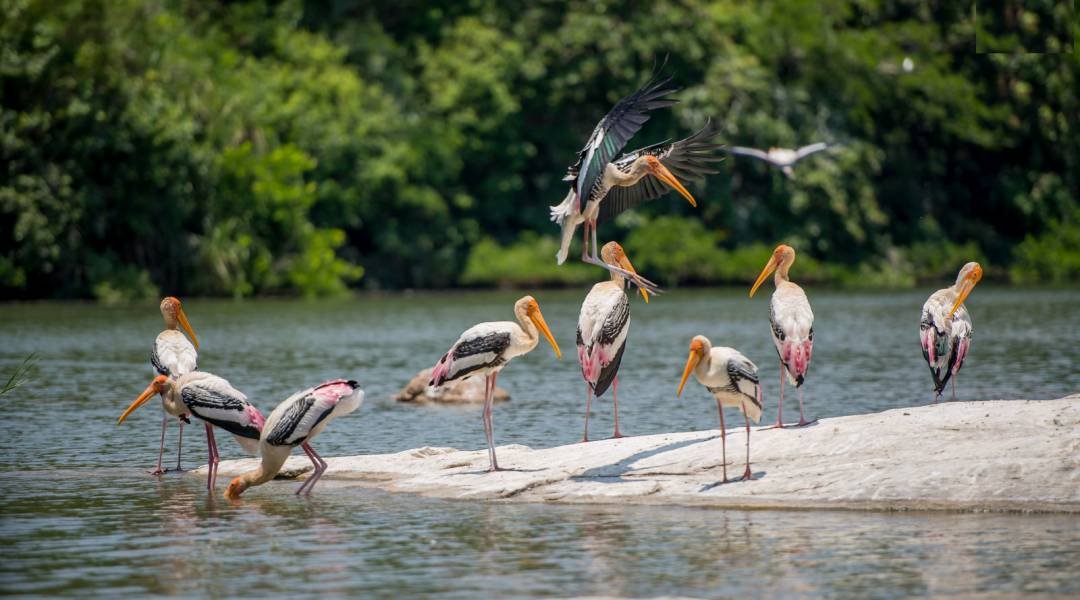
Boat rides take you close to the action. You can watch painted storks, spoonbills, egrets, and cormorants. Crocodiles sometimes bask on rocks along the shore. Moreover, the river’s calm waters make the ride peaceful.
Go early in the morning for the best birdlife and softest light. Bring binoculars and a camera with a good zoom lens.
Talakadu
Talakadu offers a dramatic landscape. Over time, sand dunes have swallowed many ancient temples here. Archaeologists have uncovered several of them. The town lies beside the Kaveri River, and its temples reflect centuries of devotion.
Visitors enjoy the quiet, otherworldly mood. Sand stretches across the site, and temple towers rise from the dunes. In addition, local legends add mystery to the place. Pilgrims visit during special festivals, but the town stays calm most days.
Melukote
Melukote perches on rocky hills and holds a deep spiritual heritage. The Cheluvanarayana Swamy Temple draws devotees, while the hilltop Yoga Narasimha Temple rewards climbers with sweeping views. The town also feels timeless, with narrow lanes and old stone buildings.
Melukote suits travelers who want a quiet, reflective outing. Furthermore, its scholarly tradition adds an intellectual flavor to the visit.
Shivanasamudra Falls
The Kaveri River splits into two dramatic cascades at Shivanasamudra. During the monsoon and shortly afterward, the falls roar with power. Mist rises, and rainbows often appear in the spray.
Plan this trip when water levels run high. In dry months, the falls shrink considerably. Therefore, check conditions before you go.
Bandipur and Nagarhole National Parks
Nature lovers should consider the Bandipur National Park and Nagarhole National Park. Both lie within a reasonable drive of mysore. They protect forests, grasslands, and rich wildlife. You may spot elephants, deer, gaurs, and, with luck, tigers or leopards.
Safaris run in the early morning and late afternoon. Book a guided drive for the best wildlife viewing. Moreover, the forest atmosphere adds a thrilling counterpoint to the city’s cultural sights.
Expert Tip: Combine a forest safari with a night in a quiet, well-managed retreat. Rest in comfort between early morning drives.
Mysore Dasara: The City’s Grand Celebration
Mysore Dasara transforms the city into a living festival. The celebration lasts ten days and honors the triumph of good over evil. Royal traditions guide many of the rituals. As a result, the festival feels both sacred and spectacular.
The palace glows each evening. Cultural programs fill auditoriums and open stages. Musicians, dancers, and artists perform in the city’s finest venues. Meanwhile, exhibitions, food stalls, and sporting events spread across the city.
The Jamboon Procession
The festival peaks on Vijayadashami with a grand procession. Decorated elephants lead the way, and one carries the idol of Goddess Chamundeshwari on a golden howdah. Folk dancers, tableaux, bands, and cavalry follow in vibrant lines. Crowds gather along the route to watch.
The procession ends near the Bannimantap grounds, where a torchlight parade lights the evening. The sight leaves a lasting memory. Therefore, many travelers time their visit specifically for Dasara.
Planning Around the Festival
Dasara brings large crowds. Accommodation fills quickly, and roads stay busy. Consequently, you should plan well ahead. Choose a property close to the main sights if you want convenience. In addition, book guided experiences early.
If you prefer a quieter trip, visit outside the festival period. The palace still impresses, and the city feels calm and welcoming.
Ready to Plan Your Vacations/Holidays?
Reach out to Delta Smart World’s team of destination specialists today!
Experiencing Mysore Beyond the Sightseeing List
Great travel often happens between the famous stops. Mysore offers many such moments. Here are a few ways to deepen your experience.
Learn About Yoga
Mysore holds a special place in the world of yoga. The city nurtured the Ashtanga yoga tradition, and students from many countries come here to study. Even short classes can provide a calming and energizing start to the day. Look for reputable teachers and respect the discipline of the practice.
Attend a Music or Dance Performance
Mysore treasures Carnatic music and classical dance. Local venues host concerts and recitals throughout the year. Attending a performance connects you with the city’s cultural roots. Moreover, the intimate settings often allow you to feel the artists’ energy.
Take a Heritage Walk
A guided heritage walk reveals hidden stories behind old buildings, courtyards, and streets. Guides explain architectural features and share anecdotes. Consequently, familiar facades gain new meaning. Early morning walks work best because the air stays cool and the streets stay quiet.
Visit the Folklore Museum
The Folklore Museum at Mysore University displays costumes, masks, instruments, and artifacts from rural Karnataka. It offers a window into village traditions and folk arts. Curious travelers will find it refreshing and informative.
Try a Cooking Class
A hands-on cooking class lets you learn local recipes and techniques. You can grind spices, prepare chutneys, and cook a traditional meal. In addition, you will understand how flavors build in Karnataka’s cuisine. This experience makes a thoughtful souvenir in itself.
Wander Through Sand Sculpture and Art Spaces
Mysore also hosts creative spaces that showcase contemporary art and craft. Browse small galleries and studios as you explore. Therefore, you will see how the city’s artistic spirit continues to evolve.
Sample Itineraries for Mysore
Different travelers need different plans. These itineraries offer flexible frameworks. Adjust them to match your pace and interests.
Two Days in Mysore: The Essentials
Day One
- Begin with Mysore Palace in the morning light.
- Walk to Jaganmohan Palace for art and heritage.
- Enjoy a traditional lunch nearby.
- Visit St. Philomena’s Church in the afternoon.
- Drive to Brindavan Gardens for the musical fountain at dusk.
Day Two
- Climb Chamundi Hills early, or drive up for sunrise views.
- Visit the Chamundeshwari Temple and the Nandi statue.
- Explore Devaraja Market for local color.
- Relax at Karanji Lake or the zoo.
- Finish with dinner at a heritage venue like Lalitha Mahal Palace.
Three Days in Mysore: Culture and Countryside
Day One: Follow the royal route with the palace, Jaganmohan Palace, and the Rail Museum. End with a quiet evening at your property.
Day Two: Travel to Srirangapatna. Visit the Ranganathaswamy Temple, Dariya Daulat Bagh, and the Gumbaz. Stop at Ranganathittu Bird Sanctuary on the way back.
Day Three: Drive to Somanathapura to admire the Hoysala carvings. Return to mysore for the market, shopping, and a final dinner.
Four Days in Mysore: Immersive and Unhurried
Day One: Explore the palace and enjoy a heritage walk.
Day Two: Climb Chamundi Hills in the morning. Spend the afternoon at the zoo and Karanji Lake. Catch Brindavan Gardens at dusk.
Day Three: Take a day trip to Srirangapatna and Ranganathittu.
Day Four: Visit Somanathapura, then try a cooking class or a yoga session. Close with a classical music performance.
Expert Tip: Leave one block of each day open. Unplanned moments often become the best memories.
Ready to Plan Your Vacations/Holidays?
Reach out to Delta Smart World’s team of destination specialists today!
The Best Time to Visit Mysore
Mysore enjoys a pleasant climate for much of the year. However, some seasons suit travel better than others.
Winter: October to February
Winter ranks as the most comfortable season. Days stay mild, and evenings turn cool. Skies often shine clear. As a result, sightseeing feels effortless. Dasara falls in this period too, so you can pair the festival with excellent weather.
Summer: March to May
Summer brings warmer days. Mornings and evenings remain pleasant, though midday sun can feel strong. If you travel then, plan outdoor activities for early hours. Rest indoors at midday.
Monsoon: June to September
The monsoon turns the landscape lush and green. Rain showers cool the air and refresh the gardens. Waterfalls like Shivanasamudra reach their peak. However, heavy showers can interrupt plans. Pack a light rain jacket and stay flexible.
Seasonal Snapshot
| Season | Weather Feel | Highlights |
|---|---|---|
| Winter | Cool and clear | Dasara, bird sanctuary, comfortable sightseeing |
| Summer | Warm and dry | Quiet attractions, early morning outings |
| Monsoon | Green and fresh | Waterfalls, lush gardens, misty hills |
Getting Around Mysore
Mysore’s compact layout makes movement easy. Yet different options suit different needs.
- Private car with a driver: This option offers the most comfort and flexibility. You can control timing and reach distant sights easily.
- Auto-rickshaws: These small vehicles work well for short hops within the city.
- Taxis and ride apps: They give convenient, point-to-point transport.
- Walking: The central area invites strolls. Wear comfortable shoes.
- Cycling: Some tour operators offer guided cycling trips through quiet streets.
Mysore also connects well to nearby cities by road and rail. Travelers often arrive from Bengaluru, which lies within a few hours’ drive. The scenic route makes the journey part of the experience. Furthermore, trains run frequently between the two cities.
Smart Travel Tips From the Delta Smart World Team
Our team has learned that small choices shape a great trip. These tips help you travel with confidence in mysore.
- Start early. Morning light flatters monuments, and crowds stay smaller.
- Dress thoughtfully. Choose breathable fabrics and modest outfits for temples.
- Carry essentials. Pack water, sunscreen, a hat, and a light scarf.
- Respect local customs. Remove shoes where signs request it, and ask before photographing people.
- Choose quality stays. A well-located property saves time and adds comfort.
- Mix famous and quiet places. Balance major sights with lesser-known corners.
- Allow flexibility. Weather and festivals can change plans.
Ready to Plan Your Vacations/Holidays?
Reach out to Delta Smart World’s team of destination specialists today!
Why the Right Stay Matters in Mysore
Your accommodation shapes your entire experience. A thoughtfully chosen property gives you restful nights, gracious service, and easy access to the best sights. At Delta Smart World, we evaluate every property against clear standards before we welcome members. We look at service quality, design, location, cleanliness, privacy, and the overall feeling of comfort.
Mysore offers heritage hotels, boutique retreats, and elegant resorts. Each has its own personality. Therefore, think about the experience you want. Do you crave royal ambiance, quiet greenery, or modern luxury? Once you decide, you can choose a stay that matches your vision.
Expert Tip: Ask your hosts for local recommendations. Staff at quality properties often know hidden gems, from family-run eateries to quiet viewpoints.
Responsible and Respectful Travel in Mysore
Mysore’s charm depends on careful stewardship. Travelers play a part in protecting it.
- Reduce plastic. Carry a reusable bottle.
- Support local artisans. Buy crafts directly from makers when possible.
- Respect sacred spaces. Keep voices low and follow posted guidelines.
- Protect wildlife. Keep a safe distance and never feed animals.
- Leave no trace. Carry out your trash at lakes, gardens, and parks.
These habits keep the city beautiful for future visitors. They also deepen your connection to the place. For official travel information, you can consult the Karnataka Tourism website, which offers updates on attractions and events across the state.
Frequently Asked Questions
The top places include Mysore Palace, Chamundi Hills, Brindavan Gardens, Jaganmohan Palace, St. Philomena’s Church, Karanji Lake, and Devaraja Market. Together, they showcase royal history, spiritual depth, and local life. Many travelers also add Lalitha Mahal Palace and the zoo.
Most travelers cover the main sights in two to three days. Two days handle the palace, Chamundi Hills, the gardens, and the market. A third day lets you add a day trip to Srirangapatna. Slower travelers should allow four days.
The best time runs from October to February, when the weather stays cool and clear. Dasara also falls in this window. However, the monsoon brings lush greenery, and summer offers quieter attractions. Plan outdoor sightseeing for early mornings in warm months.
Yes, mysore welcomes families warmly. Children enjoy the zoo, the butterfly park, the Rail Museum, and the musical fountain at Brindavan Gardens. Moreover, the city’s calm pace keeps outings relaxed. Schedule short sightseeing blocks and add rest breaks.
Srirangapatna offers history, temples, and riverside views. Somanathapura showcases stunning Hoysala carvings. Ranganathittu Bird Sanctuary suits nature lovers. For wildlife, consider Bandipur and Nagarhole. Choose based on your interests.
Final Thoughts: Make Mysore Your Next Journey
Mysore blends royal heritage, spiritual depth, and natural beauty in one graceful destination. The palace dazzles. Chamundi Hills inspires. Brindavan Gardens enchants. Markets, crafts, and flavors reveal the city’s everyday character. Meanwhile, day trips to Srirangapatna, Somanathapura, and Ranganathittu extend your story beyond the city limits.
The best way to enjoy mysore is to travel with curiosity and care. Plan your mornings for the big sights. Reserve afternoons for rest and exploration. Then let evenings unfold slowly with gardens, music, and good food. Furthermore, choose a stay that matches the quality of the destination.
Delta Smart World looks forward to helping you discover places that truly deserve your time. Mysore stands among them. Pack your curiosity, pick your pace, and let this remarkable city welcome you.
Ready to Plan Your Vacations/Holidays?
Reach out to Delta Smart World’s team of destination specialists today!