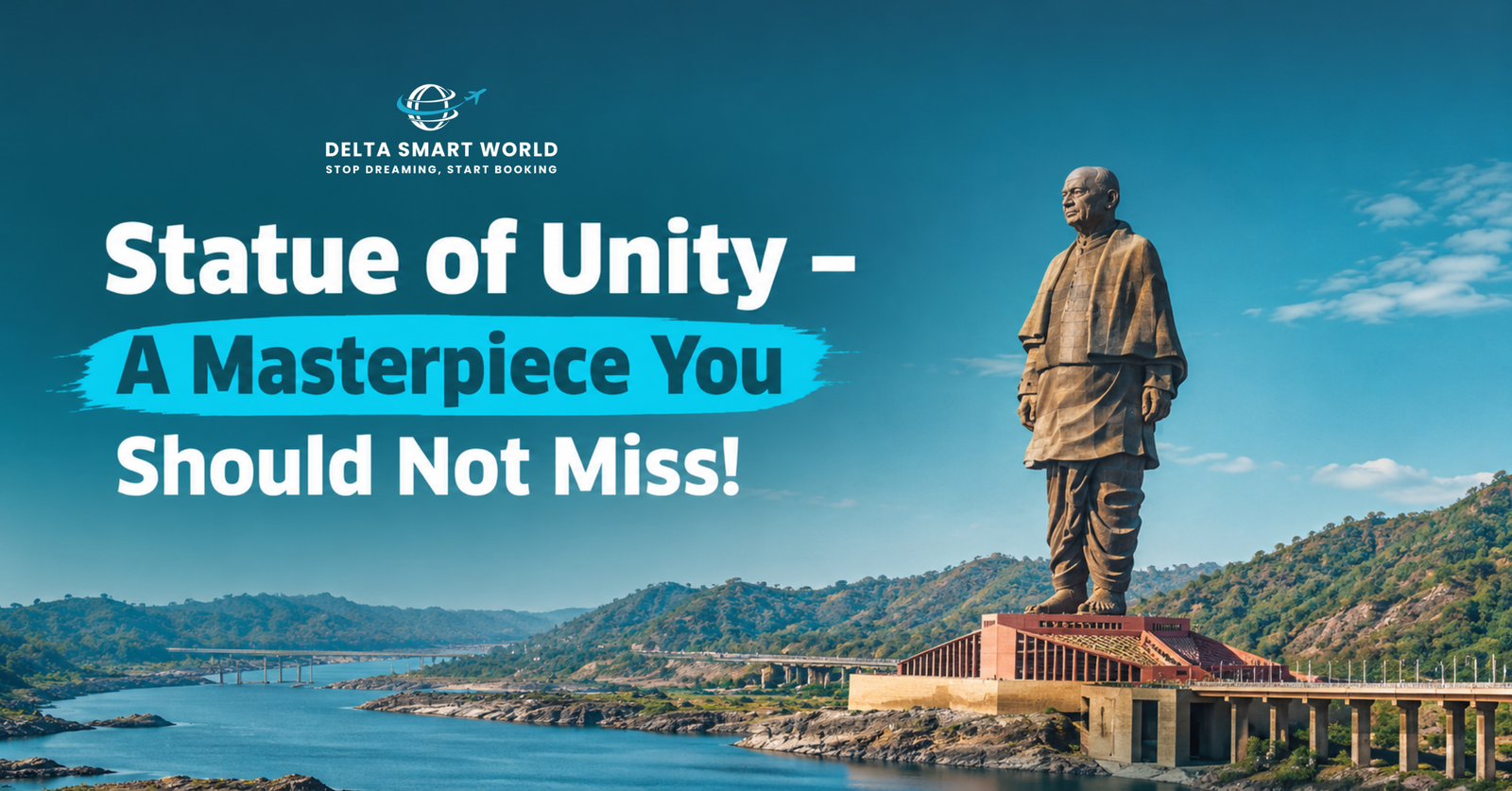
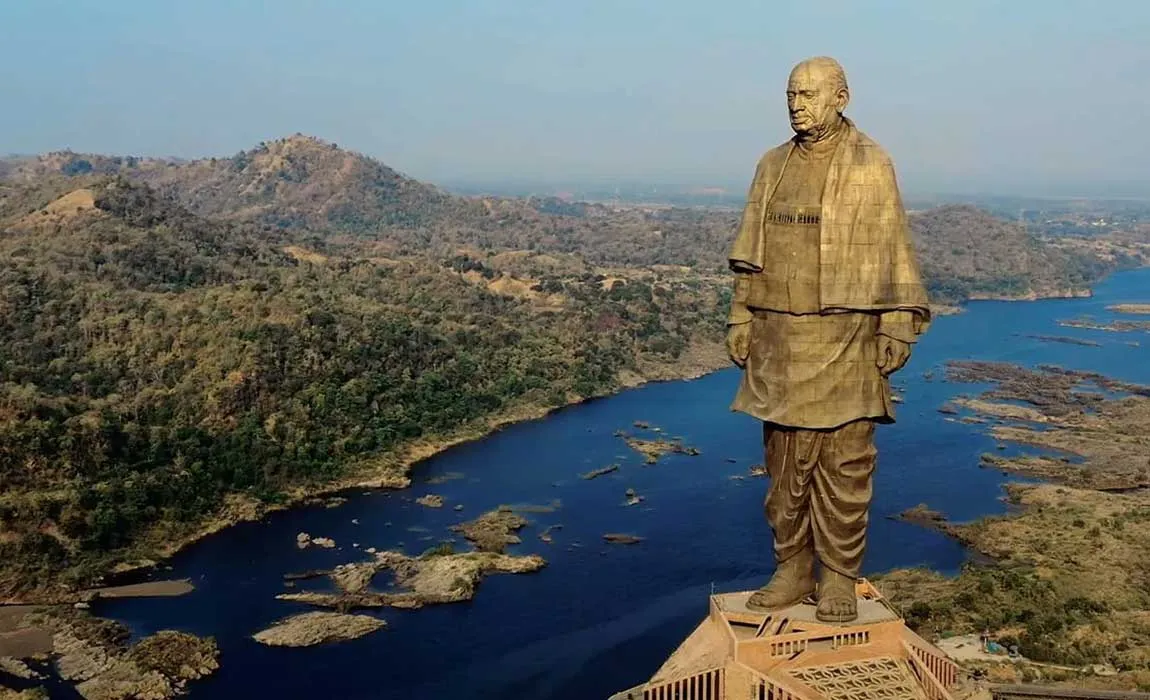
The Statue of Unity is the tallest statue in the world. It rises 182 metres above the Narmada River in Gujarat. The monument honours Sardar Vallabhbhai Patel, the statesman who united more than 560 princely states into one nation. Visitors ride a lift to a viewing gallery at roughly 153 metres. From there, they see the Sardar Sarovar Dam, the glittering Narmada, and the Satpura and Vindhya ranges. In short, the Statue of Unity delivers history, engineering, and scenery in a single journey.
Many travellers ask one question first. Is the Statue of Unity worth the trip? The answer is a confident yes. The monument stands out as an engineering marvel, and it also serves as a powerful symbol of national pride. Moreover, the surrounding complex offers gardens, museums, wildlife, and river activities. As a result, families, couples, history lovers, and photographers all find something memorable here.
This guide explains everything you need before you go. First, you will learn the story behind the monument. Next, you will explore its design, its attractions, and the best ways to reach it. After that, you will find itineraries, seasonal advice, and practical tips from our travel team. Finally, you will read detailed answers to the questions visitors ask most often.
Statue of Unity at a Glance
Before we explore the details, this quick snapshot gives you the essential facts. Use it as a reference while you plan.
| Feature | Details |
|---|---|
| Official name | Statue of Unity |
| Honours | Sardar Vallabhbhai Patel |
| Height | 182 metres (about 240 metres with its base) |
| Location | Ekta Nagar (formerly Kevadia), Narmada district, Gujarat |
| River setting | Sadhu Bet island on the Narmada River |
| Inauguration | 31 October 2018 |
| Sculptor | Ram V. Sutar |
| Construction partner | Larsen & Toubro |
| Viewing gallery height | About 153 metres |
| Nearest major airport | Vadodara |
| Nearest railway station | Ekta Nagar |
This table captures the basics. However, the real appeal of the Statue of Unity lies in the story and the experience around it. The next sections explore both.
The Story Behind the Statue of Unity
Every great monument starts with an idea. The idea behind the Statue of Unity is simple and powerful. India wanted to honour the man who held the young nation together. To appreciate the monument fully, you first need to understand the man and the moment.
Who Was Sardar Vallabhbhai Patel?
Sardar Vallabhbhai Patel entered the world in 1875 in Gujarat. He trained as a barrister and built a strong legal practice. Later, he joined the freedom movement and became a close associate of Mahatma Gandhi. His leadership during the Bardoli Satyagraha earned him the title “Sardar”, which means leader.
After independence, Patel became India’s first Deputy Prime Minister and Home Minister. At that time, the country faced a daunting challenge. More than 560 princely states had the option to join India, join Pakistan, or remain independent. Patel took on the task of bringing them together. He used patient diplomacy, firm negotiation, and clear vision. Because of his efforts, India emerged as a unified nation.
People often call him the “Iron Man of India”. The nickname reflects his resolve and his practical approach to nation building. Consequently, the monument that honours him carries the word “Unity” in its name. It celebrates the very thing he worked so hard to achieve.
Expert Tip: Read a short biography of Sardar Patel before your visit. The exhibition at the monument will feel far richer when you already know the milestones of his life.
How the Idea Took Shape
The vision for a monumental tribute to Patel gained momentum in the early 2010s. Leaders in Gujarat wanted a landmark that would inspire people across the country. They also wanted it to stand taller than any statue before it. The project gained national attention quickly, and planners began selecting a site and a design team.
The planners aimed for more than a statue. They wanted a complete destination that educates and inspires. Therefore, the plan included a museum, a memorial garden, a visitor centre, and a lakeside setting. That broad vision explains why the complex offers so many experiences today.
The Iron Collection Campaign
One of the most heartwarming parts of the story involves farmers. The project team launched a nationwide campaign to collect iron implements from rural communities. Farmers donated old tools, such as ploughs and sickles, from villages across the country. The gesture carried deep symbolism. Patel came from a farming family, and he always championed the cause of the farmer.
The collected iron played a supporting role in the structure. Even so, the campaign mattered mostly for its emotional impact. It gave millions of ordinary people a personal link to the monument. As a result, the Statue of Unity feels like a shared national project. It does not feel like a distant government undertaking.
Why Did India Choose This Site?
The short answer: The site combines symbolism, scenery, and strategic value.
The monument faces the Sardar Sarovar Dam, which sits on the Narmada River. The dam ties closely to Gujarat’s long-term water needs and to Patel’s development vision. Placing his statue opposite it creates a powerful visual and historical link. In addition, the island of Sadhu Bet offers a stable rocky foundation. The surrounding hills and river also provide a spectacular natural backdrop. Together, these factors made the location an ideal choice.
Engineering and Design of the Statue of Unity
The Statue of Unity is not only tall. It also represents a remarkable feat of modern engineering. Teams of engineers, sculptors, and construction workers collaborated closely to bring it to life. The result is a structure that combines art with serious technical strength.
Structure and Materials
The monument uses a robust internal frame of reinforced concrete and structural steel. A thin layer of bronze cladding covers the exterior. This outer layer gives the statue its warm, lifelike colour. Moreover, it protects the structure from the weather. Thousands of individual bronze panels fit together to form the final surface.
Engineers placed particular emphasis on the core of the structure. Two lifts rise inside the legs and torso. They carry visitors up to the viewing gallery quickly and smoothly. Staircases provide additional access for staff and emergencies. This careful internal design keeps the experience safe and comfortable for large crowds.
Key Engineering Highlights
- Height: The statue reaches 182 metres, which makes it taller than any other statue in the world.
- Core structure: Reinforced concrete and steel form a strong inner skeleton.
- Outer layer: Bronze cladding gives the monument its distinctive finish.
- Viewing gallery: The gallery sits at about 153 metres and holds a good number of visitors at once.
- Lifts: High-capacity lifts carry visitors from the base to the gallery.
- Foundation: A deep foundation on Sadhu Bet anchors the monument firmly.
The Sculptor’s Vision
Ram V. Sutar, a veteran Indian sculptor, led the artistic design. He has created many famous monuments and sculptures across the country. For this project, Sutar studied photographs and records of Patel from many stages of his life. Then he shaped a figure that captures Patel’s dignity and quiet strength.
The statue shows Patel standing tall in traditional attire. His posture reflects confidence, calm, and determination. Notably, the sculptor paid close attention to details such as the folds of the dhoti and the shawl. These touches make the monument feel human rather than purely monumental. When you look up at the face, you sense a leader who values duty over show.
Built to Withstand Nature
A structure of this size faces serious natural forces. Strong winds, river humidity, and seismic activity all pose challenges. Therefore, the design team tested the monument thoroughly during planning. They ran wind studies and structural analyses to confirm its strength. As a result, the monument can handle powerful winds and significant earthquakes.
The team also considered the long term. Materials resist corrosion, and the bronze finish protects the interior. Regular maintenance routines keep the surface and the lifts in excellent condition. For this reason, the monument closes on certain days for upkeep. We recommend you check the official schedule before you travel.
How Does It Compare With Other Famous Statues?
The short answer: It towers over every other statue.
The Statue of Liberty in New York stands about 93 metres tall, including its pedestal. The Spring Temple Buddha in China is the next tallest statue, and the Statue of Unity still surpasses it. Because of this difference, the Indian monument holds the title of the world’s tallest statue. That fact alone makes it a must-see for any serious traveller.
| Statue | Country | Approximate Height |
|---|---|---|
| Statue of Unity | India | 182 metres |
| Spring Temple Buddha | China | 128 metres (153 metres with lotus throne) |
| Statue of Liberty | United States | 93 metres (with pedestal) |
| Christ the Redeemer | Brazil | 38 metres (with pedestal) |
Where the Statue of Unity Stands
Location shapes the entire experience of the Statue of Unity. The monument does not sit in a crowded city. Instead, it rises from a peaceful river landscape in the Narmada district of Gujarat. This setting adds drama to every photograph and calm to every moment of your visit.
The Narmada Landscape
The Narmada River is one of the most important rivers in central India. Many people regard it as sacred. Near the monument, the river widens and slows, which creates a broad, shimmering stretch of water. The Satpura and Vindhya hills frame the horizon on both sides. In the early morning, mist often hangs over the water. Consequently, the monument appears to float above the landscape.
Sadhu Bet and Ekta Nagar
The monument stands on Sadhu Bet, a small rocky island in the river. A short bridge links the island to the mainland. The nearby town of Ekta Nagar, formerly called Kevadia, serves as the base for visitors. It contains the main visitor facilities, gardens, and a range of stays. Therefore, most travellers plan their trip around this town.
The Sardar Sarovar Dam View
From the viewing gallery, the Sardar Sarovar Dam spreads out before you. It ranks among the largest concrete gravity dams in India. The sight of massive gates, the reservoir, and the long river valley is truly impressive. Meanwhile, the monument looks back at the dam with quiet authority. Together, they create one of the most striking landscapes in the country.
Expert Tip: Visit the gallery on a clear day for the best view. Haze can soften the horizon, so check the weather forecast before you book your time slot.
Top Attractions in the Statue of Unity Complex
The Statue of Unity anchors a large tourism complex. The main monument draws the crowds, yet the surrounding attractions deserve equal attention. Together, they can fill a full day or even two. Offerings and timings change from season to season, so please confirm current details on the official website.
The Viewing Gallery
The viewing gallery is the highlight of most visits. Lifts carry you up to roughly 153 metres within the monument’s chest area. Large windows let you look out across the river and the dam. The view stretches for many kilometres on a clear day.
Most visitors spend a good amount of time here. They take photographs, point out landmarks, and simply enjoy the stillness. In addition, the height gives you a new sense of the monument’s true scale. You realise how enormous the structure is only when you look down at the tiny figures below.
What You Can See From the Gallery
- The Sardar Sarovar Dam and its enormous reservoir
- The Narmada River winding through the valley
- The Satpura and Vindhya ranges along the horizon
- The Valley of Flowers spread out near the monument base
- The visitor complex and the bridge to the mainland
The Museum and Audio-Visual Gallery
At the base of the monument, a museum and audio-visual gallery tell the story of Sardar Patel. Photographs, documents, and multimedia displays trace his life from his childhood to his final years. Exhibits also explain how he persuaded the princely states to join India.
This exhibition adds real depth to your visit. Without it, the statue is merely impressive. With it, the statue becomes meaningful. Therefore, we advise you to give the museum at least an hour. Younger visitors often enjoy the audio-visual elements, which make history feel alive.
The Valley of Flowers
The Valley of Flowers sits close to the monument and offers a gentle contrast to its grand scale. Colourful blooms cover landscaped terraces and winding paths. Visitors stroll through the gardens, pause on benches, and capture photographs with the statue rising behind them. The valley looks especially beautiful after the monsoon, when the plants flourish.
Sardar Patel Zoological Park and Jungle Safari
Wildlife lovers can explore the Sardar Patel Zoological Park, which houses a range of birds and animals. The area is large, so visitors usually travel through it by vehicle. The park suits families with children, since the animals keep younger guests curious and engaged. Moreover, the green surroundings offer a refreshing break from the busy monument area.
Other Attractions Worth Exploring
The complex includes many smaller attractions. Each one adds variety to your itinerary. Depending on the season, you may find some of the following.
- Cactus Garden: A large collection of cactus species from around the world
- Butterfly Garden: A colourful space where butterflies move freely among the plants
- Vishwa Van: A themed forest that showcases diverse plant life
- Children’s Nutrition Park: An interactive space that teaches children about healthy eating
- Shreshtha Bharat Bhawan: A cultural centre that celebrates the diversity of Indian states
- Ekta Mall: A shopping space that features handicrafts and products from across the country
- River activities: Boat rides and similar experiences on the Narmada, when conditions allow
- Evening light and sound show: A visual presentation that brings the story of Patel to life after dark
Which Attraction Should You Prioritise?
The short answer: Start with the monument, then add the museum and the gardens.
If you have only a few hours, focus on three things. First, ride up to the viewing gallery. Second, spend time in the museum. Third, walk through the Valley of Flowers. These three experiences capture the essence of the Statue of Unity. Additional attractions then make excellent bonuses if time allows.
How to Reach the Statue of Unity
Reaching the Statue of Unity is simple, because the region has good connectivity. However, the best route depends on where you start. The following sections outline the main options.
By Air
Vadodara Airport is the nearest major airport. It connects to many Indian cities through regular flights. From the airport, you can continue by road to Ekta Nagar. The drive takes roughly two to three hours, depending on traffic and the route. Ahmedabad Airport also serves as a good alternative, especially for international travellers. It offers broader connectivity, although the road journey to the monument is longer.
By Rail
Ekta Nagar railway station now connects the monument directly to several major cities. This link has made train travel increasingly convenient. Travellers from Ahmedabad, Vadodara, and other cities can reach the station by direct services. Furthermore, scenic stretches along the route make the trip pleasant. Always check the latest train schedules before you plan.
By Road
Well-maintained highways connect Ekta Nagar to Vadodara, Surat, and Ahmedabad. Many visitors prefer a private car or a hired chauffeur for comfort. Buses also run on these routes. A road trip gives you the freedom to stop at scenic points along the way. Because the journey passes through rural Gujarat, you can enjoy small villages and open fields.
Getting There at a Glance
| Mode | Starting Point | Typical Journey Notes |
|---|---|---|
| Air | Vadodara Airport | Short flight, then a road transfer of two to three hours |
| Rail | Ekta Nagar Station | Direct trains from several major cities |
| Road | Vadodara, Surat, Ahmedabad | Good highways and flexible stops |
Expert Tip: Start your journey early. An early arrival gives you cooler weather, shorter queues, and more time to enjoy the complex without rushing.
Ready to Plan Your Vacations/Holidays?
Reach out to Delta Smart World’s team of destination specialists today!
Best Time to Visit the Statue of Unity
Timing can transform your trip. The Statue of Unity is open for much of the year. Nevertheless, each season offers a different mood. Understanding these seasons helps you choose the perfect window.
Winter (October to February)
Winter is the most popular season. Temperatures stay comfortable, and the skies are usually clear. As a result, the views from the gallery are at their best. This season also suits long walks through the gardens. Because many people travel in these months, we recommend that you plan early.
Monsoon (June to September)
The monsoon turns the landscape lush and green. The Narmada swells, and the hills glow with fresh vegetation. Photographers adore this period for its dramatic skies. However, heavy rain can interrupt outdoor plans. Therefore, you should pack rain gear and keep your schedule flexible.
Summer (March to May)
Summer brings heat to the region. Daytime temperatures can climb high. Even so, early mornings and late evenings remain pleasant. If you travel in summer, plan your outdoor activities for these cooler hours. You can then spend the midday period in indoor attractions such as the museum.
Seasonal Comparison
| Season | Months | Weather | Best For |
|---|---|---|---|
| Winter | October to February | Cool and clear | Sightseeing, gallery views, family trips |
| Monsoon | June to September | Humid and rainy | Lush scenery and dramatic photography |
| Summer | March to May | Hot and dry | Early morning visits and indoor exhibits |
What Is the Best Time of Day to Visit?
The short answer: Aim for the morning.
Mornings bring softer light, cooler air, and smaller crowds. Furthermore, the early sun lights the bronze surface beautifully. Afternoons can feel warm, but they suit museum visits and indoor displays. Evenings offer a special charm, since the light show and the glowing monument create a memorable finale.
Planning Your Statue of Unity Visit
A little preparation makes the Statue of Unity experience smoother. The complex is large, and crowds gather during holidays and weekends. Therefore, a clear plan saves time and reduces stress. The following guidance comes from our team’s travel experience.
Before You Go
First, check the official website for current timings, closure days, and entry rules. The monument closes on certain days for maintenance, and schedules can change. Next, book your gallery slot in advance whenever the option exists. Advance planning helps you avoid long queues. Finally, confirm your transport and your stay well before your travel dates.
One-Day Itinerary
One day covers the highlights if you start early. This plan balances the monument with the best nearby attractions.
- Early morning: Arrive at the complex and head straight to the monument.
- Mid-morning: Ride the lift to the viewing gallery and enjoy the panorama.
- Late morning: Explore the museum and audio-visual gallery at the base.
- Afternoon: Enjoy a relaxed meal, then walk through the Valley of Flowers.
- Late afternoon: Visit one more attraction, such as the Butterfly Garden or the Cactus Garden.
- Evening: Stay for the light and sound show, if it runs on your travel date.
Two-Day Itinerary
Two days let you slow down and see more. This approach suits families and travellers who prefer a relaxed pace.
Day One: The Monument and Its Story
On the first day, focus on the main attractions. Visit the viewing gallery in the morning, and follow it with the museum. After a leisurely lunch, stroll through the Valley of Flowers. In the evening, enjoy the light show and a quiet dinner.
Day Two: Gardens, Wildlife, and Culture
On the second day, explore the wider complex. Begin with the Sardar Patel Zoological Park and its green surroundings. Afterwards, visit Shreshtha Bharat Bhawan and Ekta Mall. If conditions allow, finish with a river activity on the Narmada.
What to Carry
Smart packing makes the day more comfortable. Consider the following items.
- Comfortable walking shoes: The complex involves a good deal of walking.
- Sun protection: A hat, sunglasses, and sunscreen help during daytime visits.
- A refillable water bottle: Staying hydrated matters, particularly in warm months.
- A light jacket: Air conditioning and breezes at height can feel cool.
- A fully charged phone or camera: You will want to capture the views.
- Valid photo identification: Security checks may require it.
Expert Tip: Keep your bag light. Security teams check belongings at the entrance, and a smaller bag speeds up the process considerably.
The Statue of Unity for Different Kinds of Travellers
Every traveller sees the monument differently. Some come for history, while others come for photography or family time. This section helps you shape the trip around your own interests.
Is the Statue of Unity Good for Families?
The short answer: Yes, it suits families very well.
Children love the lifts, the open spaces, and the wildlife. The museum also helps them connect with history in a lively way. Moreover, the gardens give younger guests room to run and explore. Plan regular breaks, carry snacks, and keep the schedule flexible. These simple steps keep everyone happy throughout the day.
Is It Suitable for Couples?
The short answer: Absolutely, particularly in the cooler months.
The monument offers a romantic backdrop. A sunset by the river creates lasting memories. So do a quiet walk through the Valley of Flowers and an evening light show. Furthermore, a peaceful resort nearby turns the trip into a relaxing escape. Couples often tell us that the calm river setting feels refreshing after a busy city routine.
Can Senior Travellers Enjoy the Visit?
The short answer: Yes, with some planning.
Lifts take visitors to the viewing gallery, so older travellers can skip steep climbs. Nevertheless, the complex covers a large area. Therefore, we suggest that senior travellers use available vehicles, rest often, and choose cooler hours. A relaxed pace lets everyone enjoy the experience fully.
What About History Enthusiasts?
History lovers will find the museum especially rewarding. The exhibits trace the integration of the princely states and the leadership of Sardar Patel. In addition, the surrounding landscape connects directly to a major chapter in India’s development. If you enjoy deep stories, plan extra time for the exhibits. Reading the displays slowly makes a real difference.
Photography Tips for the Statue of Unity
Photographers will find endless inspiration here. The monument is vast, so composition requires some thought. The following tips can help you capture stunning images.
- Visit in the golden hours: Early morning and late afternoon bring warm, flattering light.
- Use a wide-angle lens: A wide lens captures the full scale of the statue.
- Include a foreground: Flowers, people, or the river add depth and a sense of size.
- Shoot from the gallery: The view of the dam and the valley makes an excellent subject.
- Try a monsoon visit: Dramatic clouds add mood and contrast to your images.
- Respect the rules: Check which areas allow photography and follow all signs.
Ready to Plan Your Vacations/Holidays?
Reach out to Delta Smart World’s team of destination specialists today!
The Cultural and National Significance of the Statue of Unity
The Statue of Unity carries meaning beyond its size. It represents a central idea in India’s modern story. That idea is that diversity and unity can strengthen each other. Every visitor, whatever their background, can connect with that message.
A Symbol of National Integration
Patel’s life work focused on bringing a vast and diverse land together. The monument keeps that story alive for new generations. Schoolchildren, families, and international guests all learn about the leader who shaped modern India. As a result, the site works as both a tourist destination and an open-air classroom.
National Unity Day
India marks the birth anniversary of Sardar Patel on 31 October each year. People observe this day as National Unity Day. The monument itself opened on the same date in 2018. Consequently, the site hosts special events and ceremonies around that time. If you enjoy cultural celebrations, consider timing your visit near this date.
A Boost for Local Communities
The monument has also changed life in the surrounding region. Tourism has created opportunities for local artisans, guides, and hospitality workers. Visitors can support these communities by buying local crafts and using local services. In turn, this support helps the region grow in a sustainable way.
Choosing Where to Stay Near the Statue of Unity
Your stay shapes your trip as much as the monument itself. A comfortable base lets you rest after a long day of sightseeing. It also lets you start early the next morning. At Delta Smart World, we evaluate every property carefully before we welcome it to our network of experiences. The same standards can help you choose wisely.
How We Evaluate a Stay
Our team travels extensively and inspects each hotel, resort, and villa in person. We look beyond marketing and judge the real guest experience. We use the following criteria.
- Location and access: We check how easily guests can reach the attraction.
- Comfort and cleanliness: We inspect rooms, bathrooms, and common areas closely.
- Service quality: We observe how staff greet, assist, and respond to guests.
- Safety and security: We review safety measures for families and solo travellers.
- Dining: We taste the food and assess its variety and quality.
- Atmosphere and privacy: We look for a calm setting that supports true relaxation.
- Facilities: We review amenities that make a stay easier and more enjoyable.
What to Look for Near the Monument
Several features matter most for a Statue of Unity trip. First, look for a property with easy road access to Ekta Nagar. Second, prioritise a calm setting, since you will spend your days among crowds. Third, choose a stay with reliable dining, because options vary across the region. Finally, check whether the property supports early starts, such as early breakfast arrangements.
Expert Tip: Book your stay early for winter weekends and national holidays. Popular properties fill quickly, and early planning gives you the best choice.
Why Membership Experiences Suit This Destination
A holiday membership can make regular travel simpler. Members gain access to carefully reviewed resorts and a team that understands their preferences. Therefore, a trip to a destination like the Statue of Unity becomes easier to plan and more enjoyable to experience. Our guidance helps members focus on the journey rather than the logistics.
Nearby Places to Combine With the Statue of Unity
Many travellers extend their trip with nearby highlights. Gujarat offers a rich mix of heritage, wildlife, and spirituality. The following ideas can add variety to your itinerary.
Vadodara
Vadodara, also known as Baroda, serves as the usual gateway city. It features the grand Laxmi Vilas Palace, beautiful gardens, and a lively food scene. You can easily spend a day here before or after your visit to the monument. Furthermore, the city’s museums and heritage buildings reveal the royal past of the region.
Shoolpaneshwar Wildlife Sanctuary and Zarwani Waterfall
Nature lovers can explore the Shoolpaneshwar Wildlife Sanctuary near the Narmada. The forest hosts diverse birds and animals. Zarwani Waterfall, in the same region, delights visitors during and after the monsoon. Together, these places offer a refreshing contrast to the monument.
Garudeshwar Temple
Garudeshwar Temple sits on the banks of the Narmada, not far from the monument. Many visitors stop here for a peaceful moment of reflection. The riverside setting adds to the serene mood. Consequently, the temple makes a gentle complement to a day of sightseeing.
Champaner-Pavagadh
History enthusiasts can travel from Vadodara to Champaner-Pavagadh Archaeological Park. UNESCO recognises this site for its remarkable heritage. Mosques, palaces, and ancient fortifications fill the area. A visit here suits travellers who want to extend their trip by an extra day.
Responsible Travel at the Statue of Unity
Large monuments attract many visitors, so responsible behaviour matters. Small actions can protect the beauty of the site for future generations. We encourage every traveller to follow a few simple habits.
- Avoid littering: Use the bins provided and carry a small bag for waste.
- Reduce plastic: Bring a refillable bottle and a cloth bag.
- Respect wildlife: Keep your distance from animals and follow all park rules.
- Support local people: Buy crafts from local artisans and eat at local establishments.
- Follow the signs: Stay on marked paths and respect restricted areas.
These choices take little effort. Yet they protect the landscape and support the community. In this way, every visitor helps keep the Statue of Unity a joy for years to come.
Common Mistakes to Avoid on a Statue of Unity Trip
Even experienced travellers make small errors. Fortunately, most are easy to avoid. Consider this short list before you leave.
- Arriving too late: Late arrivals mean longer queues and less time for the exhibits.
- Skipping the museum: The exhibition gives the monument its meaning.
- Ignoring the weather: Heat and rain both affect your comfort, so plan accordingly.
- Packing heavy bags: Heavy luggage slows you down at security checks.
- Overloading the schedule: The complex is big, so give yourself time to enjoy each stop.
- Forgetting to confirm timings: Closure days and schedules can change.
Frequently Asked Questions
The Statue of Unity stands 182 metres tall, which makes it the tallest statue in the world. With its base, the full structure reaches about 240 metres. The viewing gallery sits at roughly 153 metres.
The monument stands on Sadhu Bet, an island on the Narmada River in Gujarat. It sits near Ekta Nagar, formerly Kevadia, and faces the Sardar Sarovar Dam. Vadodara is the usual gateway, about two to three hours away by road.
The best time is between October and February, when the weather stays cool and the skies stay clear. The monsoon brings lush scenery, but rain can disrupt plans. In summer, early mornings and evenings work best.
Yes, a lift carries visitors to the viewing gallery at roughly 153 metres. Large windows there give panoramic views of the dam and the river. Entry rules can change, so check the official website before you travel.
Most visitors need a full day for the gallery, the museum, and the Valley of Flowers. A two-day plan feels more relaxed. It also leaves time for the zoological park and the evening events.
Final Thoughts: Make the Statue of Unity Part of Your Journey
The Statue of Unity is far more than a tall monument. It tells a story of courage, vision, and togetherness. It also showcases the best of modern engineering and thoughtful design. Whether you visit for history, photography, family time, or pure curiosity, the experience leaves a lasting impression.
To get the most from your trip, plan early and travel in the cooler months. Spend time in the museum, walk through the gardens, and enjoy the view from the gallery. Furthermore, choose a calm and comfortable stay so you can rest well between adventures. A relaxed base transforms a good trip into a great one.
At Delta Smart World, we believe every journey should feel effortless and inspiring. Our team curates exceptional stays, and we evaluate each one against strict standards. If you plan a trip to the Statue of Unity, let our expertise guide your choices. For official visitor details, you can also consult the official Statue of Unity website.
Start planning today, and let the Statue of Unity become one of your most treasured travel memories.
Ready to Plan Your Vacations/Holidays?
Reach out to Delta Smart World’s team of destination specialists today!