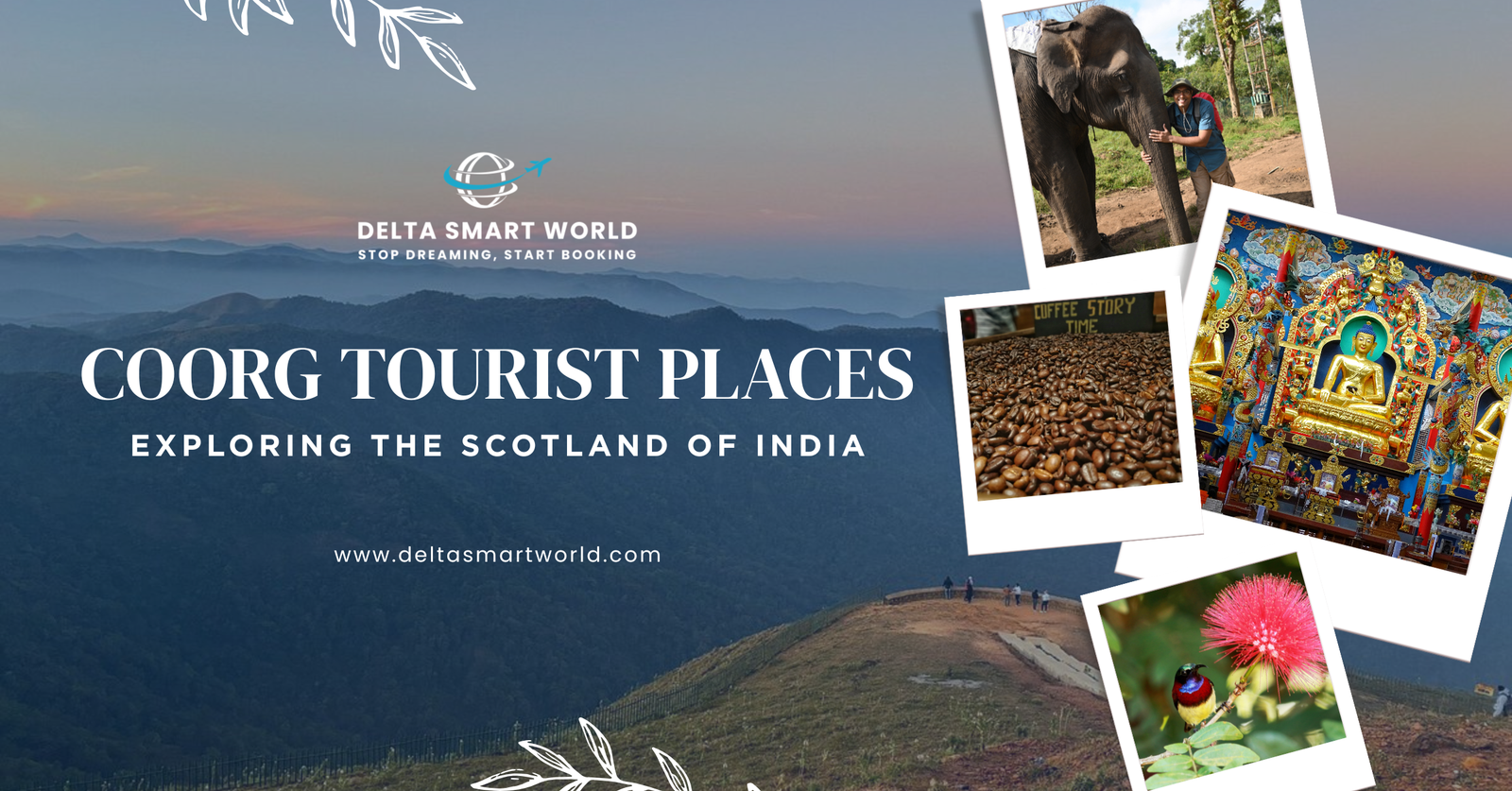
If you want the best Coorg tourist places, start with six names. Raja’s Seat, Abbey Falls, and Talacauvery lead the list, alongside Namdroling Monastery, Dubare Elephant Camp, and Nagarhole National Park. Together, these six spots capture Coorg’s core mix, and each one anchors a different side of the district’s character. Think misty viewpoints, cascading waterfalls, a sacred river origin, Tibetan culture, and dense forest wildlife. First-time visitors gain a complete picture of the region within a few days.
Coorg carries another name, Kodagu, and sits deep in the Western Ghats of Karnataka. Travelers often nickname it the “Scotland of India” thanks to its rolling green hills and cool, misty climate. The district grows more coffee than any other region in India, and coffee estates blanket almost every hillside. This guide walks you through every major Coorg tourist place, explains when to visit, and shares practical planning tips.
Unlike many hill stations, Coorg does not build its identity around a single lake or a single fort. Instead, the district spreads its charm across waterfalls, viewpoints, temples, monasteries, plantations, and forest reserves. This spread means your itinerary shapes your entire experience. A wildlife-heavy trip feels completely different from a temple-and-trekking trip. Yet both stay within the same small district.
Why Coorg Tops Every Traveler’s Wishlist
Coorg rewards travelers who want nature, culture, and adventure in a single trip. The region offers dramatic viewpoints, thundering waterfalls, and ancient temples. It also holds a Tibetan settlement that feels worlds away from the rest of Karnataka. Additionally, Coorg’s plantations grow coffee, cardamom, pepper, and orange, filling the air with an earthy fragrance.
Families enjoy gentle sightseeing and elephant camps. Adventure seekers, meanwhile, chase waterfalls, trek to mountain peaks, and raft down rushing rivers. Spiritual travelers find deep meaning at Talacauvery, the sacred source of the Cauvery River. They find similar meaning at the golden-roofed monasteries of Bylakuppe. Because Coorg packs so much variety into a compact district, it suits nearly every kind of traveler.
The Kodava community, native to Coorg, adds another layer of richness to any visit. Their customs, martial traditions, and distinctive cuisine give the region a cultural identity unlike anywhere else in South India. As a result, a trip through Coorg tourist places never feels one-dimensional. It blends scenery, spirituality, and living heritage into a single journey.
Coorg also rewards slower travel. Many visitors rush between photo stops on a single day trip and miss the district’s quieter charm. Staying two or three nights changes that pace entirely. You can catch sunrise at a viewpoint and walk a plantation trail at leisure. You still cover Coorg’s main landmarks without exhaustion.
Top Coorg Tourist Places You Cannot Miss
Coorg spreads its attractions across three main pockets. These include Madikeri town, the Kushalnagar area, and the southern belt near Kutta and Nagarhole. Below, we break down the essential Coorg tourist places within each pocket, so you can plan your route efficiently.
Raja’s Seat
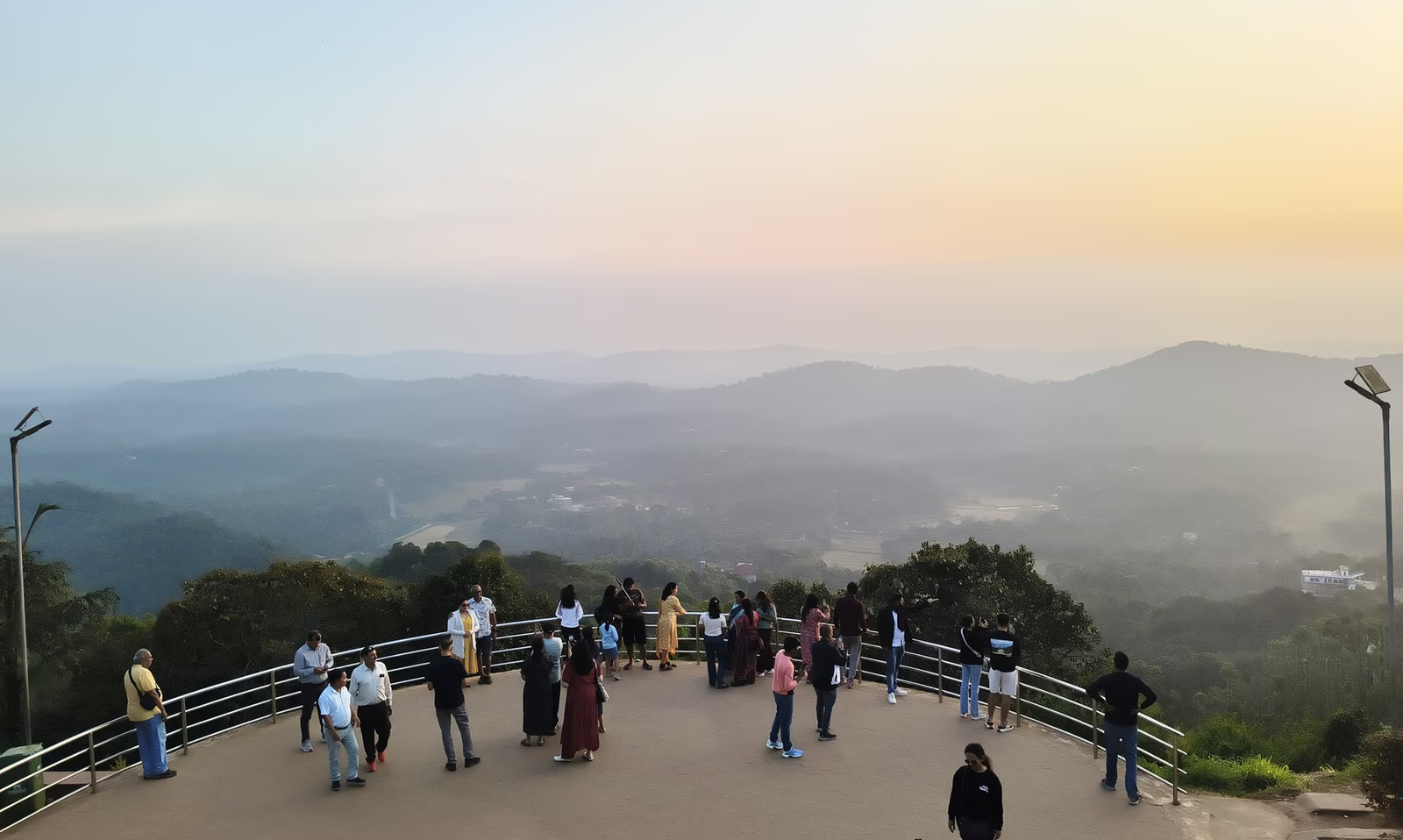
Raja’s Seat sits about a kilometer from Madikeri’s bus stand. It remains one of the most iconic Coorg tourist places. Kodava kings once gathered here with their families to watch the sunset over the Western Ghats. Today, a landscaped garden surrounds the viewpoint, and a small toy train delights younger visitors.
Arrive in the late afternoon to catch the sky turn orange and pink behind layered hills. The garden stays well maintained, with seasonal flowers lining the walkways. Because Raja’s Seat draws crowds during peak season, plan an early arrival for a quieter, more peaceful experience.
Expert Tip: Visit Raja’s Seat on a weekday evening. You will find fewer crowds and a calmer sunset view.
Abbey Falls
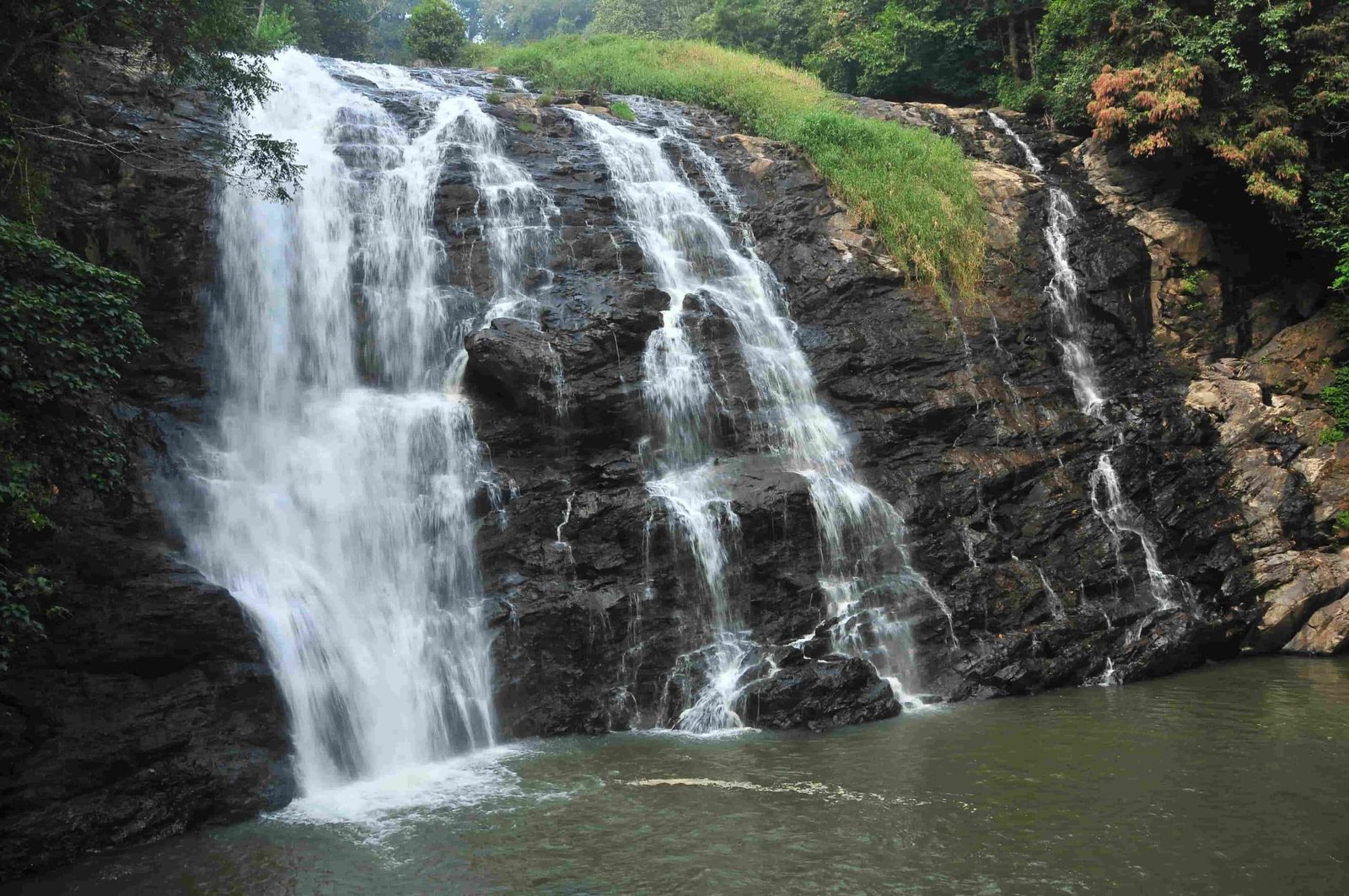
Abbey Falls, also spelled Abbi Falls, drops roughly seventy feet through private coffee and spice plantations. A hanging bridge crosses the gorge near the base. This bridge gives visitors a dramatic angle of the cascading water. The falls eventually merge into the River Cauvery downstream.
Monsoon season turns Abbey Falls into a powerful, roaring spectacle. Winter months offer a gentler, more photogenic flow instead. Wooden steps lead down toward the viewing platform, so wear sturdy footwear. Many travelers pair this stop with a walk through the surrounding plantation. That walk shows exactly how coffee cherries become the beans in your morning cup.
Talacauvery
Talacauvery marks the origin of the sacred Cauvery River, high in the Brahmagiri hills. Hindus consider this spot deeply holy. The river that sustains millions across South India begins here as a small spring. A temple complex surrounds the source, and pilgrims travel from across the country to pay respects.
Stone steps climb toward Brahmagiri Peak from behind the temple. This climb rewards hikers with sweeping valley views. Morning mist often blankets the entire hillside, adding to the site’s spiritual atmosphere. Because Talacauvery sits at a higher elevation, mornings feel notably cooler than in Madikeri town.
Namdroling Monastery (The Golden Temple)
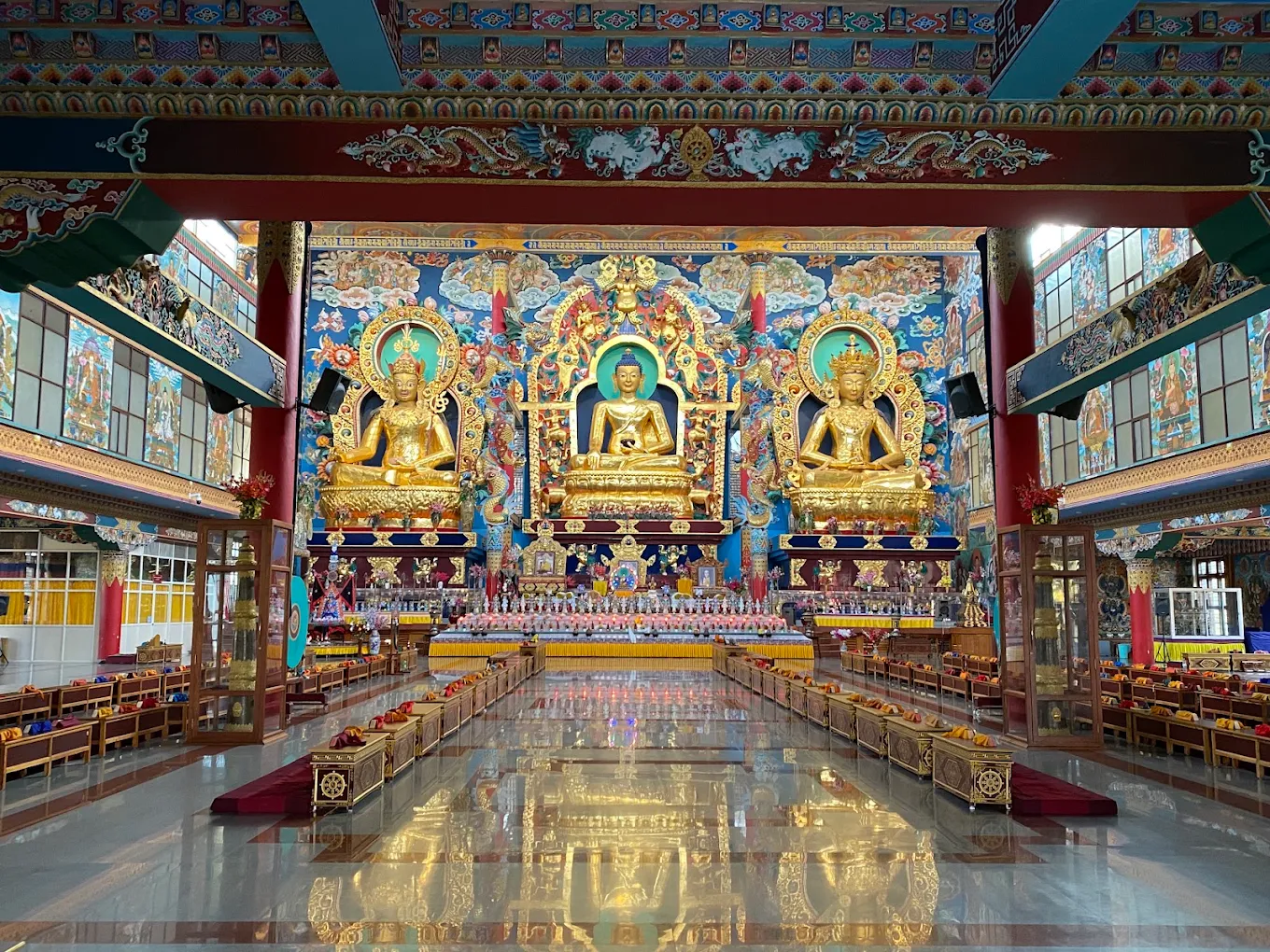
Namdroling Monastery rises from the town of Bylakuppe, home to the second-largest Tibetan settlement in India after Dharamshala. Tibetan refugees established this community decades ago. It now functions as a thriving center of Buddhist learning and culture. Tall, gleaming golden statues of Buddha dominate the main hall.
Intricate murals cover nearly every wall inside the monastery. They depict stories from Buddhist scripture in vivid detail. Maroon-robed monks walk the courtyards, and visitors can often watch prayer sessions from a respectful distance. Nearby stalls sell Tibetan handicrafts, momos, and thukpa, giving travelers a taste of authentic Tibetan cuisine.
Dubare Elephant Camp
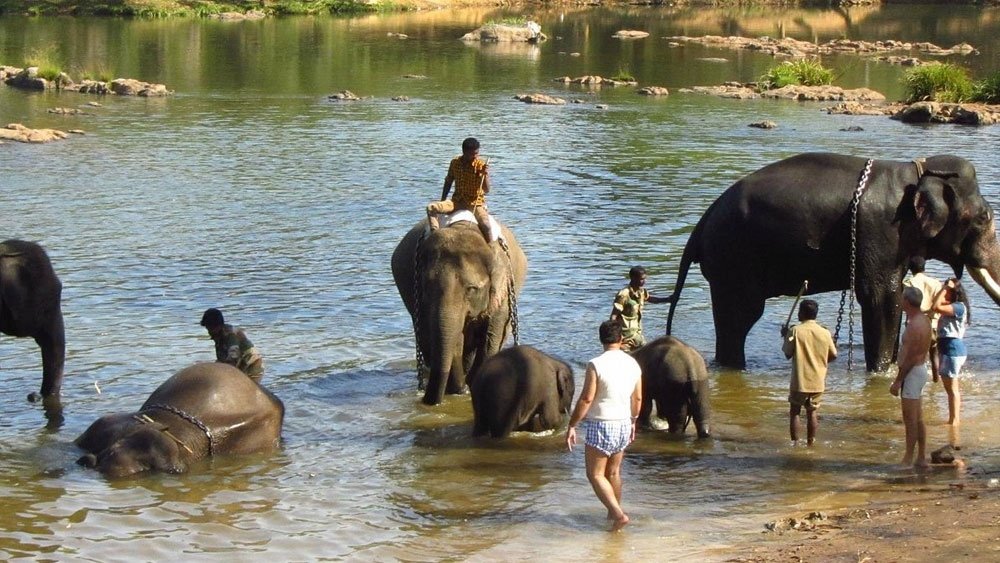
Dubare Elephant Camp sits on the banks of the Cauvery River. It trains elephants for temple festivals and forest work. Visitors can watch mahouts bathe and feed the elephants each morning. Many camps let guests join the bathing ritual under supervision. The camp also runs coracle rides across the river for extra adventure.
Because the camp opens early, plan your visit before mid-morning to catch the elephants during their daily routine. River rafting operators nearby often combine a rafting trip with a stop at Dubare. This combination makes for an efficient, action-packed half day.
Cauvery Nisargadhama
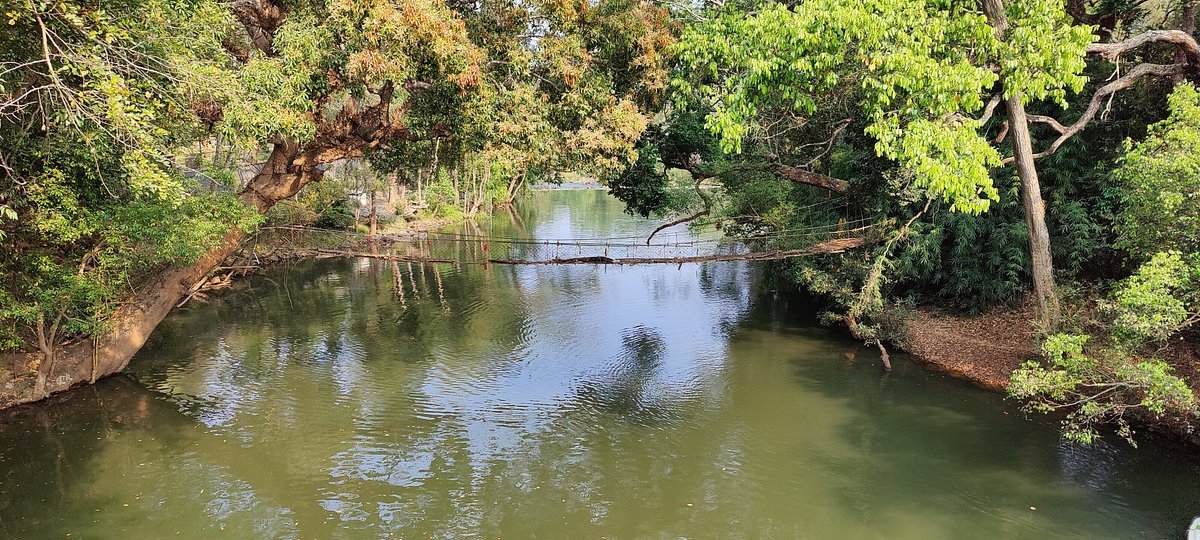
The Cauvery River surrounds this small, forested island near Kushalnagar, and a hanging rope bridge connects it to the mainland. Bamboo groves and thick tree cover shade the walking trails. These trails stay cool even during warmer months. Deer and rabbit enclosures inside the park appeal especially to children.
The island stays compact, so visitors can explore it comfortably within an hour or two. Boating facilities operate along the riverbank for those who want a closer look at the water. This spot pairs naturally with a Dubare Elephant Camp visit, since both sit near Kushalnagar.
Madikeri Fort
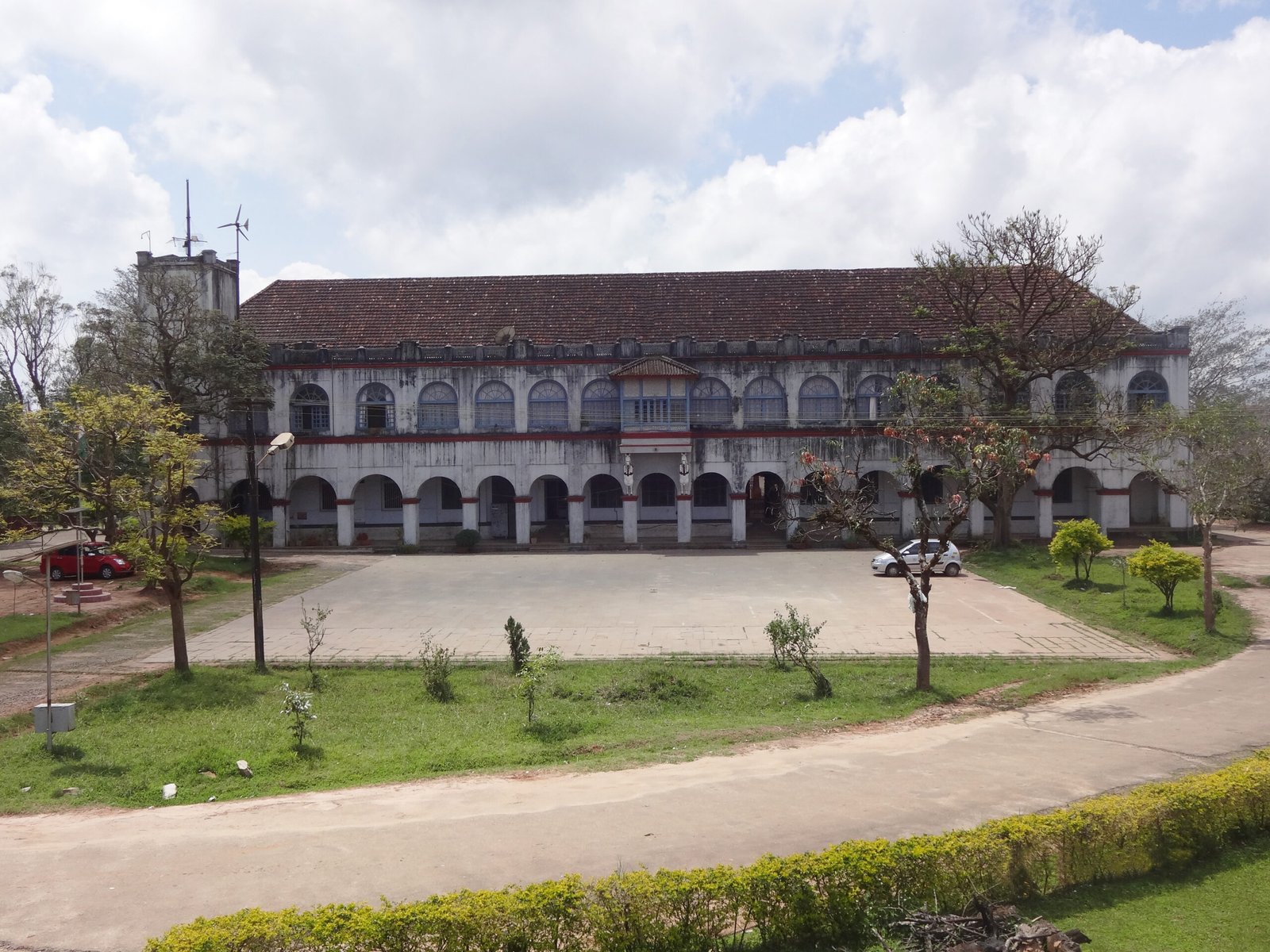
Madikeri Fort stands at the center of Madikeri town. Its history traces back to the late seventeenth century. A local ruler first built the fort, and Tipu Sultan later captured and strengthened it. The British eventually took control before Coorg joined independent India.
Elevated ramparts inside the fort offer panoramic views across Madikeri town. A small museum within the complex displays artifacts and photographs that trace Coorg’s political history. History enthusiasts will appreciate the layered story this fort tells about Coorg’s changing rulers over centuries.
Omkareshwara Temple
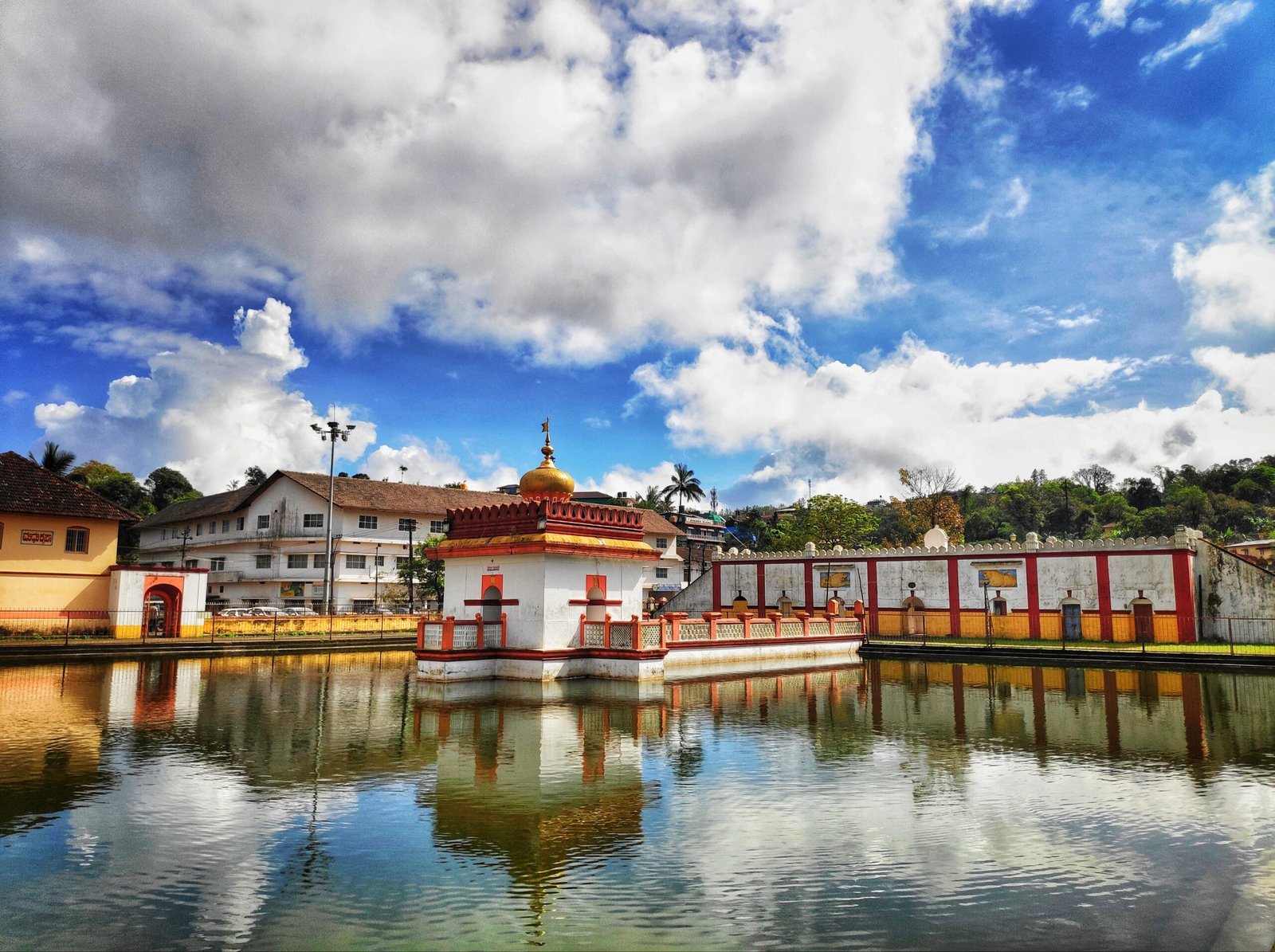
King Lingarajendra II built Omkareshwara Temple in 1820, close to Madikeri Fort. The temple honors Lord Shiva. Its architecture blends Islamic dome styles with Gothic elements, giving it a distinctive look unlike typical South Indian shrines. A water tank in front reflects the dome beautifully during calm mornings.
Local legend ties the temple’s construction to an act of royal atonement. Regardless of the story’s origin, the temple remains an active place of worship. It also stands as a striking architectural landmark among Coorg tourist places.
Iruppu Falls
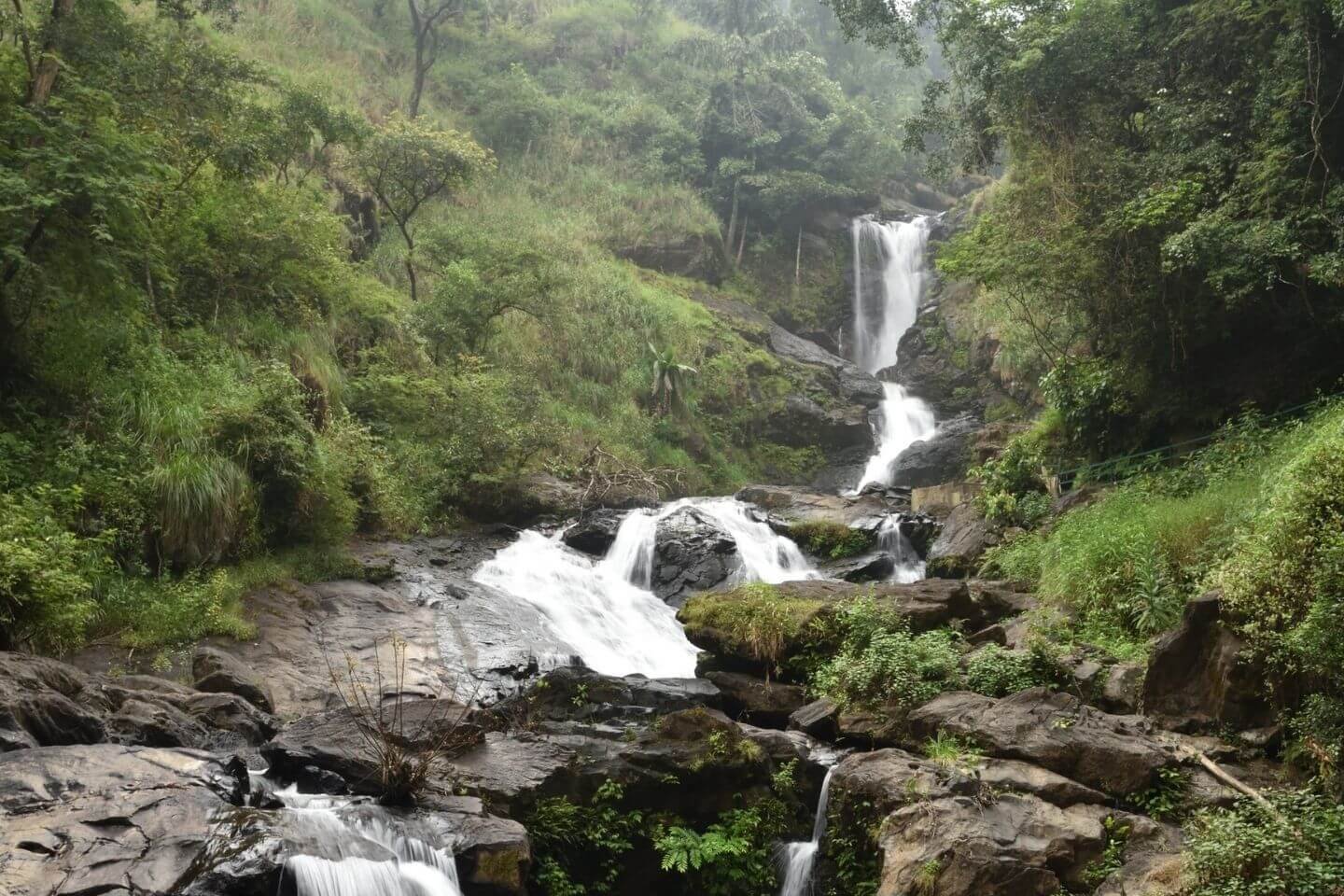
Iruppu Falls carries another name, Lakshmana Tirtha Falls, and cascades through the Brahmagiri Wildlife Sanctuary near the Kerala border. Hindu mythology ties the falls to the Ramayana. A temple honoring Lord Rama stands at the base, and pilgrims often bathe here during religious festivals.
A forest trail leads visitors toward the upper viewpoints. Dense, biodiverse woodland surrounds the trail on both sides. Because the falls sit within a protected sanctuary, expect basic infrastructure and a genuinely wild setting. Pack good trekking shoes if you plan to explore beyond the main viewing area.
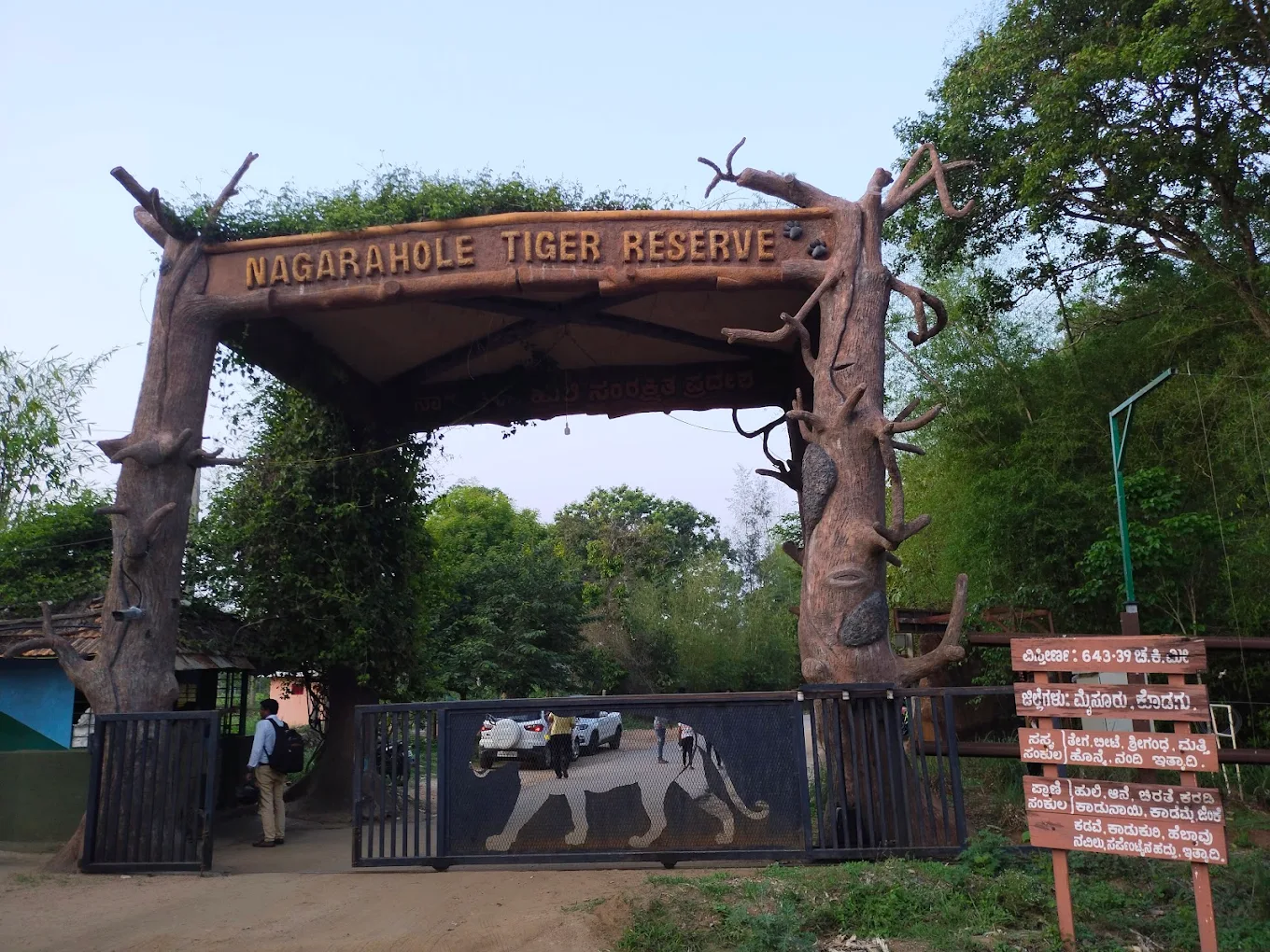
Nagarhole National Park
Nagarhole National Park carries a second name, Rajiv Gandhi National Park. It spans a vast stretch of forest between Kodagu and Mysore districts. Tigers, elephants, leopards, and the elusive black panther of nearby Kabini roam this reserve. The Kabini and Nagarhole rivers cut through the park, drawing wildlife to their banks.
Jeep safaris run during early morning and late afternoon slots, when animals move more actively. Boat safaris along the Kabini backwaters offer another excellent way to spot wildlife. Because this park ranks among South India’s premier reserves, wildlife photographers frequently return for repeat visits.
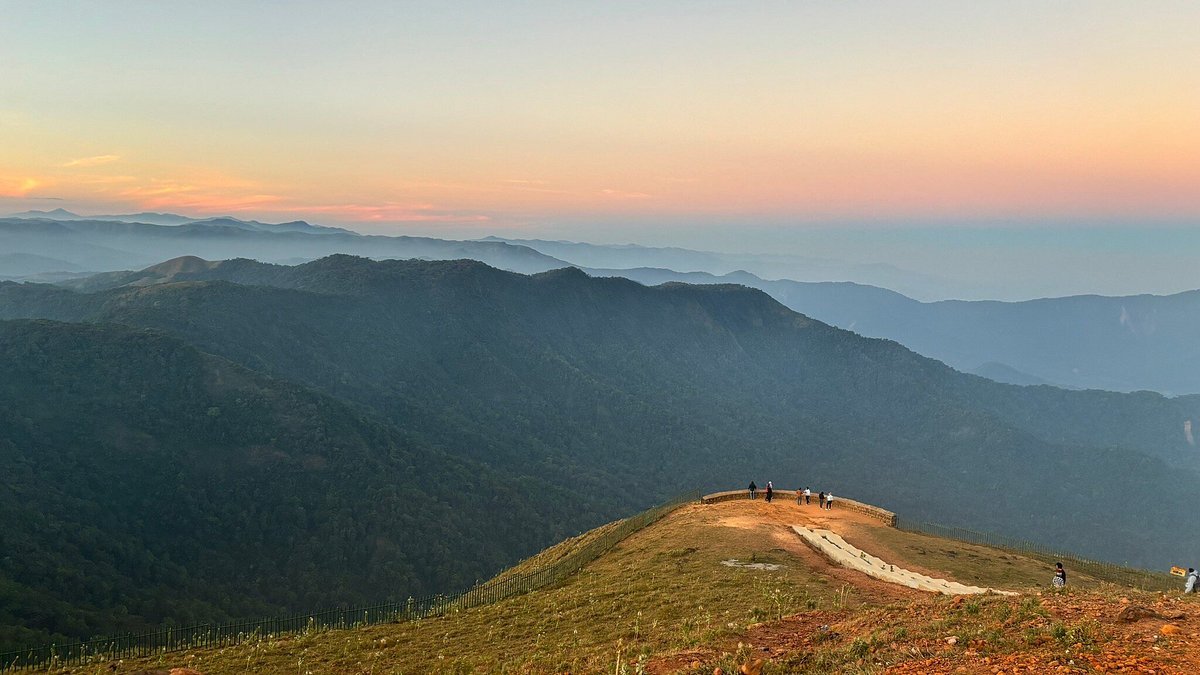
Mandalpatti Viewpoint
Mandalpatti rises to roughly 1,600 meters and overlooks a dramatic mix of grasslands and misty valleys near Madikeri. Jeep trails wind up rugged terrain. Most visitors hire a local four-wheel-drive vehicle rather than attempting the climb in a regular car. Clouds frequently roll through the viewpoint, creating an ever-changing landscape.
Sunrise visits reward early risers with golden light spilling across the hills before the mist thickens. Because weather shifts quickly at this altitude, carry a light jacket even during warmer months.
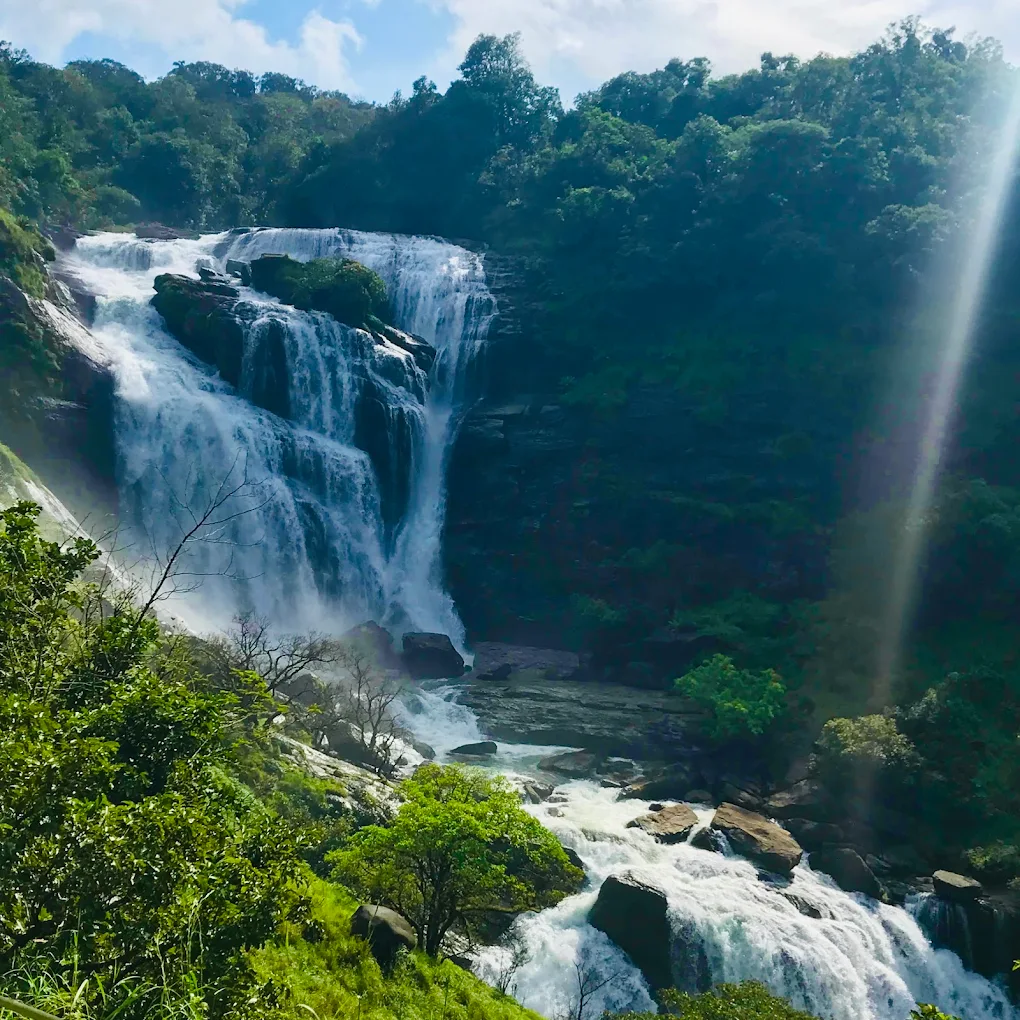
Chelavara and Mallalli Falls
Chelavara Falls tumbles through dense forest near Kakkabe. Mallalli Falls, meanwhile, drops dramatically near Somwarpet from the base of Pushpagiri Hill. Both waterfalls demand a short trek through forested terrain, so sturdy shoes matter here. Neither falls attracts crowds like Abbey Falls, which appeals to travelers seeking quieter corners.
Photographers particularly favor Mallalli Falls for its layered, multi-tiered drop framed by thick greenery. Visit during or just after monsoon season, when both falls flow at their fullest.
Coffee and Spice Plantation Tours
Coorg produces more coffee than any other district in India. Plantation tours give visitors a close look at how that coffee reaches their cup. Guides walk you through shade-grown coffee bushes and explain the harvesting cycle. They often show the wet-processing and roasting stages too. Many estates also grow pepper, cardamom, and vanilla alongside their coffee trees.
Homestays on working plantations let travelers experience daily estate life beyond a quick tour. Guests can walk winding trails between coffee rows and learn traditional Kodava recipes. They can also taste fresh, estate-brewed coffee. This immersive option suits travelers who want a slower, more authentic side of Coorg tourist places.
Coorg Tourist Places by Region
Grouping attractions by region saves travel time on Coorg’s winding hill roads. The table below organizes the district’s main Coorg tourist places geographically.
| Region | Key Attractions | Best For |
|---|---|---|
| Madikeri Town | Raja’s Seat, Madikeri Fort, Omkareshwara Temple, Abbey Falls | First-time visitors, short trips |
| Talacauvery & Bhagamandala | Talacauvery, Brahmagiri Peak, Bhagamandala Sangama | Spiritual travelers, trekkers |
| Kushalnagar | Namdroling Monastery, Dubare Elephant Camp, Cauvery Nisargadhama | Families, cultural travelers |
| Kutta & Nagarhole | Nagarhole National Park, Kabini backwaters | Wildlife enthusiasts |
| Somwarpet & Kakkabe | Mallalli Falls, Chelavara Falls, Pushpagiri Sanctuary | Trekkers, quiet nature lovers |
Madikeri works well as a home base for most itineraries. It sits centrally and offers the widest range of stays. Travelers focused heavily on wildlife often base themselves near Kutta instead, closer to Nagarhole’s forest gates. This choice cuts down on early-morning drive time before safari slots.
Travelers with more flexible schedules sometimes split their stay across two bases. A few nights in Madikeri cover the town’s core sights. A final night near Kushalnagar or Kutta then sets up an early wildlife safari, without a long morning drive.
Ready to Plan Your Vacations/Holidays?
Reach out to Delta Smart World’s team of destination specialists today!
Where to Stay Near Coorg Tourist Places
Coorg offers a distinct range of stay styles, each suited to a different kind of trip. Understanding these categories helps you choose a base that matches your itinerary.
Plantation homestays remain Coorg’s signature accommodation style. Local families open working coffee estates to guests, often including home-cooked Kodava meals as part of the stay. These homestays suit travelers who want an immersive, slow-paced experience close to nature. Many sit a short drive from Madikeri, surrounded by coffee rows and quiet forest trails.
Boutique resorts and nature retreats offer a more curated experience, often with private villas, spa facilities, and estate views. These properties suit travelers who want comfort alongside easy access to major Coorg tourist places. Many resorts near Madikeri and Kushalnagar organize guided nature walks and plantation tours directly for guests.
Riverside and forest-edge properties near Kutta and Nagarhole cater specifically to wildlife travelers. Staying close to the park gate reduces travel time before early morning safaris. Delta Smart World evaluates properties across all three categories. We match each member to a stay that fits their specific Coorg itinerary.
Coorg Tourist Places for Photography Enthusiasts
Coorg’s shifting mist, layered hills, and dense greenery attract photographers throughout the year. Certain Coorg tourist places consistently deliver the most striking, frame-worthy results.
Mandalpatti Viewpoint tops most photography lists, thanks to its rolling clouds and sweeping valley views. Early morning light here creates dramatic contrast between sunlit ridges and shadowed valleys. Raja’s Seat offers a gentler, more accessible sunset shot, with landscaped gardens framing the foreground.
Waterfalls like Abbey Falls and Mallalli Falls reward photographers who visit during monsoon season. Water volume peaks then, and the spray adds extra drama to every frame. Coffee plantations provide a different kind of shot entirely. Rows of green, dew-covered bushes stretch toward misty hills in almost every direction. Namdroling Monastery adds vibrant color to any photo collection too. Golden statues, painted murals, and maroon-robed monks fill nearly every frame.
Expert Tip: Visit viewpoints like Mandalpatti within the first hour after sunrise. Mist moves quickly, and the clearest shots usually disappear by mid-morning.
Coorg Tourist Places for Adventure Seekers
Coorg’s terrain naturally suits trekking, rafting, and other outdoor pursuits. Adventure travelers gravitate toward a specific set of Coorg tourist places that reward physical effort with spectacular payoffs.
- Tadiandamol Peak: The highest point in Coorg challenges trekkers with a full-day climb through grasslands and shola forest.
- Kumara Parvatha Trek: This demanding route ranks among South India’s toughest treks and rewards hikers with sweeping ridge-line views.
- Barapole River Rafting: Rapids along the Barapole River offer white-water rafting for travelers chasing an adrenaline rush.
- Brahmagiri Peak Trek: A moderate trek from behind the Talacauvery temple leads to panoramic views across the Western Ghats.
- Mandalpatti Jeep Trail: Off-road jeep rides climb steep, rocky terrain toward one of Coorg’s most photographed viewpoints.
Because weather shifts quickly in the hills, always check trail conditions before setting out. Local guides track current terrain conditions closely. They can flag routes that turn risky after heavy rain.
Beginners should not feel excluded from Coorg’s adventure scene. Shorter, guided walks near Abbey Falls or Cauvery Nisargadhama offer a gentle introduction to the district’s terrain. From there, travelers can work up toward moderate treks like Brahmagiri Peak. Longer routes like Tadiandamol or Kumara Parvatha can wait until later in the trip.
Expert Tip: Book trekking guides through your homestay host. Local hosts usually know the most current, safest routes.
Coorg Tourist Places for Nature and Wildlife Lovers
Coorg protects an unusually rich pocket of biodiversity within the Western Ghats. Three wildlife sanctuaries, Brahmagiri, Talacauvery, and Pushpagiri, sit alongside Nagarhole National Park. Together, they preserve dense forest ecosystems across the district.
These protected zones shelter elephants, gaur, deer, and numerous bird species. Big cats, including tigers and leopards, roam here too. Birdwatchers particularly enjoy the sanctuaries during early morning hours, when forest activity peaks. Because these ecosystems stay fragile, most zones limit vehicle access and require permits for deeper exploration.
Nature lovers should also explore Coorg’s smaller, lesser-known spots. Honnamana Kere Lake near Somwarpet offers a peaceful, freshwater setting away from the busier tourist circuit. Similarly, trails around Pushpagiri Wildlife Sanctuary attract serious trekkers hunting for rare orchids and endemic plant species.
Coorg’s forests also support an unusually diverse bird population, drawing birders from across India. The Malabar trogon, great pied hornbill, and various species of kingfisher appear regularly across the district’s sanctuaries. Butterfly enthusiasts, too, find Coorg rewarding, since the humid climate supports dozens of species throughout the wetter months.
Festivals and Local Events Around Coorg Tourist Places
Timing a trip around a local festival adds an extra layer of culture to your visit. Kaveri Sankramana, celebrated at Talacauvery, marks the river’s mythical birth and draws thousands of pilgrims each year. Devotees gather at the spring for a ritual bath, and the surrounding hills fill with a festive, communal energy.
Puthari, the Kodava harvest festival, celebrates the new rice crop with music, dance, and traditional attire. Villages across Coorg organize processions and community feasts during this period. Kailpodh, another Kodava festival, honors traditional weapons and hunting tools central to the community’s martial heritage.
Bylakuppe’s Buddhist community also observes Losar, the Tibetan New Year, with prayers, dances, and colorful ceremonies at Namdroling Monastery. Travelers visiting during Losar can witness a side of Coorg tourist places that few outside the Tibetan community ever see. Checking a local festival calendar before booking can turn a standard sightseeing trip into a much richer cultural experience.
Coorg Tourist Places for Spiritual and Cultural Travelers
Spirituality runs deep across Coorg’s landscape. Talacauvery anchors Hindu pilgrimage in the district. Bylakuppe’s monasteries draw Buddhist practitioners and curious travelers alike. Omkareshwara Temple and Bhagamandala, where three rivers meet, round out the district’s major religious sites.
Bhagamandala holds particular significance as a triveni sangama, a meeting point of three rivers. These include the Cauvery, the Kanike, and the mythical Sujyothi. Pilgrims often visit Bhagamandala before continuing uphill to Talacauvery. Many treat the two sites as a single spiritual circuit.
Beyond religious sites, Kodava cultural traditions offer their own form of heritage tourism. The Kodava community follows customs distinct from the rest of Karnataka. These include unique wedding rituals, ancestral worship practices, and a strong martial history. Homestays run by Kodava families often introduce guests to this culture through home-cooked meals and storytelling evenings.
Local Cuisine to Pair With Your Coorg Trip
Kodava cuisine adds real depth to any tour of Coorg tourist places. Pandi curry ranks as the region’s signature dish. Cooks simmer spicy pork in a tangy local vinegar named kachampuli. Most homestays and local restaurants serve it alongside steamed rice or akki roti.
Bamboo shoot curry appears seasonally and offers a distinctly earthy, tangy flavor. You will find this flavor almost nowhere else in South India. Kadambuttu, soft rice dumplings, often accompanies meat curries during festive meals. Coorgi cuisine also features fresh-water fish preparations near riverside towns, alongside a range of chutneys made from local greens.
Coffee, naturally, plays a central role beyond the plantation tours themselves. Many homestays serve freshly brewed, estate-grown coffee each morning. Travelers can also sample local wines. Small producers craft these from fruits like orange, gooseberry, and honey across the district.
Expert Tip: Ask your homestay host about a home-cooked Kodava meal. This experience often reveals more about local culture than any single monument.
Shopping Near Coorg Tourist Places
Coorg’s plantations and forests shape a distinct shopping experience across the district. Madikeri’s central market area hosts small shops selling coffee, spices, and local handicrafts. Freshly roasted coffee remains the most popular souvenir among visitors.
Homemade chocolates, often flavored with coffee or local spices, appear in shops across Madikeri and Kushalnagar. Honey, harvested from local hives, offers another authentic take-home item. Many plantation tours end at small on-site shops, where visitors can buy pepper, cardamom, and vanilla directly from the growers.
Bylakuppe, near the Namdroling Monastery, sells Tibetan handicrafts, prayer flags, and woven textiles. These items make thoughtful souvenirs that reflect Coorg’s unusual cultural blend of Kodava and Tibetan traditions.
Kodava silver jewelry and traditional daggers, known locally as peeche kathis, appear in a handful of specialty shops around Madikeri. These pieces carry deep cultural meaning within Kodava wedding customs and ceremonial dress. Even travelers who skip souvenirs often enjoy browsing these shops simply to learn more about local craftsmanship.
Best Time to Visit Coorg Tourist Places
Coorg stays pleasant across most of the year, though each season transforms the landscape differently. The table below breaks down what to expect throughout the year.
| Season | Months | What to Expect |
|---|---|---|
| Winter | October to February | Cool, crisp weather; clear skies; ideal for sightseeing and trekking |
| Summer | March to May | Warm days, cool evenings; good for waterfalls and plantation visits |
| Monsoon | June to September | Heavy rainfall; waterfalls at their fullest; some routes become inaccessible |
Winter remains the most popular window for exploring Coorg tourist places. Clear skies make viewpoints like Mandalpatti and Raja’s Seat far more rewarding during this season. However, some travelers love dramatic, rain-soaked scenery instead. They often find monsoon season equally memorable, especially at Abbey Falls and Iruppu Falls.
Summer suits travelers who want warm days without the crowds of peak winter season. Plantation tours also work well in summer, since coffee estates stay lush and green year-round.
How to Reach Coorg
Coorg does not have its own airport or major railway station. Most travelers combine flights or trains with a road journey. The table below outlines your main options.
| Mode | Nearest Access Point | Approximate Distance to Madikeri |
|---|---|---|
| Air | Mangalore International Airport | Around 135 km |
| Rail | Mysore Railway Station | Around 120 km |
| Road | Bangalore (via Mysore) | Around 260 km |
Bangalore serves as the most common starting point for travelers heading toward Coorg tourist places. A private car or bus ride from Bangalore takes roughly six hours, depending on traffic near Mysore. Alternatively, flying into Mangalore and driving onward often shortens overall travel time for visitors coming from farther away.
Once you reach Madikeri, hire a local taxi or jeep for reaching viewpoints like Mandalpatti. Narrow, winding roads suit smaller, sturdier vehicles far better than standard sedans.
Travelers driving from Bangalore usually pass through Mysore, which makes a natural halfway stop. Many visitors break the journey here for a few hours, exploring Mysore Palace before continuing toward Madikeri. This route also connects smoothly to Kushalnagar. You can visit Namdroling Monastery and Dubare Elephant Camp before reaching Madikeri town itself.
Self-driving suits travelers who want full control over their schedule, though hill roads demand caution, especially after dark. Hiring a driver removes this concern entirely and lets every passenger enjoy the scenic route without watching the road.
Ready to Plan Your Vacations/Holidays?
Reach out to Delta Smart World’s team of destination specialists today!
Common Mistakes to Avoid in Coorg
Even well-planned trips run into avoidable snags. Keep these common mistakes in mind while mapping your itinerary across Coorg tourist places.
- Cramming too many spots into one day. Coorg’s hill roads take longer to navigate than distances suggest.
- Skipping early starts. Mist and cloud cover thicken quickly by late morning at higher viewpoints.
- Ignoring seasonal road conditions. Some routes, especially toward Mandalpatti, turn difficult during heavy monsoon rain.
- Underestimating layered clothing needs. Evenings turn surprisingly cool, even in summer months.
- Booking homestays too late. Popular plantation stays fill quickly during the winter peak season.
- Forgetting permits for wildlife zones. Nagarhole safaris and certain sanctuary trails need advance booking.
Avoiding these small missteps keeps your itinerary smooth across Coorg tourist places. A little extra planning upfront saves real frustration once you arrive.
Tips for Exploring Coorg Tourist Places
A little preparation goes a long way across Coorg’s hilly, plantation-covered terrain. Keep these practical tips in mind while building your itinerary.
- Pack layered clothing. Mornings and evenings turn cool even during summer months.
- Wear sturdy, closed-toe shoes. Many attractions involve uneven steps or forest trails.
- Start sightseeing early. Mist often thickens by midday, especially at higher viewpoints.
- Carry cash for smaller towns. Card facilities stay limited outside Madikeri’s main market.
- Respect wildlife zones. Stay on designated paths within sanctuaries and national parks.
- Book plantation stays in advance. Popular homestays fill quickly during winter months.
Expert Tip: Group nearby attractions by region rather than jumping across the district. This approach saves travel time and reduces fatigue from Coorg’s winding hill roads.
Suggested Itinerary for Coorg Tourist Places
Travelers often ask how many days they truly need to cover Coorg’s highlights. The itinerary below offers a balanced starting framework you can adjust to fit your pace.
| Day | Focus Area | Key Stops |
|---|---|---|
| Day 1 | Madikeri Town | Raja’s Seat, Madikeri Fort, Omkareshwara Temple, Abbey Falls |
| Day 2 | Talacauvery and Bhagamandala | Talacauvery, Brahmagiri Peak trail, Bhagamandala Sangama |
| Day 3 | Kushalnagar Circuit | Namdroling Monastery, Dubare Elephant Camp, Cauvery Nisargadhama |
| Day 4 | Nature and Adventure | Mandalpatti Viewpoint, Nagarhole National Park safari |
This four-day structure covers nearly every major Coorg tourist place without excessive backtracking. Travelers with limited time can compress Days 1 and 2 into one busier day. Nature enthusiasts, on the other hand, may prefer a different approach. They often stretch Day 4 across two full days to enjoy the national park thoroughly.
Travelers with only a weekend can still see Coorg’s highlights by focusing purely on Madikeri town and Kushalnagar. This shorter route skips Nagarhole but still covers waterfalls, viewpoints, temples, and the Golden Temple.
Ready to Plan Your Vacations/Holidays?
Reach out to Delta Smart World’s team of destination specialists today!
Frequently Asked Questions
First-time visitors should prioritize Raja’s Seat, Abbey Falls, Talacauvery, Namdroling Monastery, and Dubare Elephant Camp. These five spots represent Coorg’s core mix of viewpoints, waterfalls, spirituality, and wildlife. Together, they fit comfortably into a two- to three-day itinerary and offer a well-rounded introduction to the district.
Yes, many travelers combine Coorg with Mysore, Wayanad, or Ooty for a longer South Indian hill-country trip. Mysore sits roughly two hours from Madikeri and pairs naturally with a Coorg itinerary. Wayanad, just across the Kerala border, extends your trip with additional wildlife and plantation experiences.
Abbey Falls, Iruppu Falls, and Mallalli Falls all reach their most dramatic flow during monsoon months. Coffee plantations also turn especially lush and green during this season, making it ideal for slow, scenic homestay visits. Avoid steep treks like Tadiandamol during heavy rainfall, since trails can turn slippery and unsafe.
Yes, Nagarhole National Park requires entry permits for jeep and boat safaris. Forest department counters issue these on a first-come basis. Booking your safari slot a day in advance helps you secure preferred timing, especially during the busy winter season. Your homestay host or a local tour operator can usually arrange this for you.
Why Explore Coorg Tourist Places With Delta Smart World
Delta Smart World evaluates every resort, villa, and homestay against clear, consistent standards before adding it to our curated network. Our travel specialists visit properties across destinations like Coorg firsthand. They check comfort, service quality, and location advantage before recommending any stay. This hands-on approach means our members receive genuinely vetted recommendations, not generic listings pulled from a directory.
Because our team studies Coorg’s attractions in detail, we can match members to stays positioned close to their preferred circuit. Some members prioritize waterfalls and viewpoints. Others prefer wildlife safaris or slow plantation immersion. Trust, careful curation, and firsthand knowledge shape every Delta Smart World recommendation across Coorg tourist places and beyond.
For further official details on Coorg’s tourism infrastructure and protected areas, visit the Kodagu District Government Tourism portal. This government resource offers additional context on permits, sanctuary rules, and seasonal advisories worth checking before your trip.
Coorg rewards travelers who take time to explore beyond a single checklist stop. Chase waterfalls, climb misty viewpoints, or sit quietly inside a coffee estate. Each choice delivers a genuinely different pace of travel. Plan thoughtfully, pack for shifting weather, and let Coorg’s layered landscape unfold across your itinerary. With the right pace and the right stays, Coorg tourist places offer a trip you will want to repeat.
Ready to Plan Your Vacations/Holidays?
Reach out to Delta Smart World’s team of destination specialists today!