

The best market places in Mumbai include Crawford Market for spices and fresh produce, Colaba Causeway for souvenirs, Chor Bazaar for antiques, Zaveri Bazaar for jewelry, and Linking Road for street fashion. Each one offers a different slice of the city. Together, they show Mumbai’s trading spirit at its liveliest.
Mumbai has commerce in its bones. For centuries, merchants, sailors, and artisans have shaped the city’s streets. Today, those streets still hum from sunrise until late at night. Visitors who step into these bazaars meet the real Mumbai, not just the postcard version.
This guide covers the most rewarding market places in Mumbai. You will learn what each market sells, when to visit, and how to move through the crowds with confidence. You will also find itineraries, etiquette advice, mini-guides, and detailed answers to common questions. Whether you love fashion, food, antiques, or simple people-watching, a market here will suit you.
At Delta Smart World, we treat a market visit like every other part of a luxury trip. Good planning turns a chaotic outing into a smooth, memorable day. Therefore, we share practical tips alongside the highlights.
Quick Reference: Top Market Places in Mumbai at a Glance
| Market | Area | Best For | Ideal Time |
|---|---|---|---|
| Crawford Market | Fort, South Mumbai | Spices, dry fruits, fresh produce | Early morning |
| Colaba Causeway | Colaba | Souvenirs, accessories, cafés | Late afternoon |
| Chor Bazaar | Near Grant Road | Antiques, vintage décor | Late morning |
| Zaveri Bazaar | Kalbadevi | Jewelry, gemstones | Midday |
| Fashion Street | Near Churchgate | Casual clothing | Afternoon |
| Linking Road | Bandra | Street fashion, footwear | Evening |
| Dadar Flower Market | Dadar | Flowers, garlands | Before sunrise |
| Mohammed Ali Road | South Mumbai | Street food, kebabs | Evening |
Why Market Places in Mumbai Deserve a Place on Your Itinerary
A Living Trading Tradition
Mumbai grew from a cluster of islands into India’s commercial capital. Trade drove that growth. Spice merchants, textile traders, and jewelers built dense neighborhoods around their crafts. Many of those neighborhoods still trade in the same goods today.
As a result, a walk through a Mumbai bazaar feels like a walk through the city’s economic history. Colonial-era buildings stand beside narrow lanes. Family-run stalls sit next to modern boutiques. Furthermore, many vendors learned their trade from parents and grandparents. That continuity gives the market places in Mumbai a depth that glossy malls cannot match.
A Feast for Every Sense
The markets overwhelm in the best possible way. Vendors call out to passersby. Brass bells ring in temple lanes. Cardamom, jasmine, and frying oil mingle in the air. Meanwhile, silk, marigolds, and polished metal flash with color.
Travelers who slow down and absorb these details gain far more than a shopping bag. They gain stories. Moreover, every market has its own rhythm. Wholesale lanes wake before dawn. Street-food stretches come alive after dark. Boutique strips hit their stride in the evening.
Culture Beyond the Counter
Shopping here also opens doors to Mumbai’s many communities. Gujarati jewelers, Parsi bakers, Maharashtrian florists, and South Indian grocers all shape the city’s commerce. Each group brings its own food, language, and festivals.
Consequently, a single afternoon can cover several cultures. You can browse silver in one lane, then taste a regional snack in the next. This variety makes market places in Mumbai far more than a shopping stop. They work as living classrooms.
The Perfect Counterpoint to a Luxury Stay
An elegant resort or hotel pairs beautifully with a day in the bazaars. The contrast sharpens both experiences. You spend the morning in lively lanes. Then you return to a calm, refined suite.
Because of this balance, many Delta Smart World members include at least one market visit on their Mumbai trips. We encourage that approach. It adds texture to a stay and gives travelers something authentic to remember.
How to Plan Your Visit to Market Places in Mumbai
Choose the Right Season
The cooler months, from October to February, suit market walks best. Temperatures drop, humidity eases, and the lanes feel far more comfortable. Festival season also adds energy. Diwali, Ganeshotsav, and Eid bring decorations, special foods, and extra crowds.
On the other hand, the monsoon from June to September brings heavy rain. Narrow lanes flood quickly, and umbrellas clog the walkways. If you visit then, carry a compact raincoat. In addition, wear sturdy, non-slip footwear.
Pick the Right Time of Day
Time of day changes everything. Early morning works best for produce, flowers, and wholesale lanes. Late morning suits antiques and jewelry, since shops open fully by then. Afternoon heat can drain your energy, so plan a café break.
Evening transforms the street-food markets and the fashion strips. Therefore, match each market to its prime hour. Do not force a single schedule onto every stop.
Travel Smart Between Markets
Mumbai offers several ways to move between bazaars. Each option has trade-offs.
- Local trains: They move fast and cover long distances. However, they get extremely crowded during rush hours, roughly 8 to 11 in the morning and 5 to 9 in the evening.
- Taxis and app-based cabs: They offer door-to-door comfort. Traffic can slow them down, though.
- Private driver: Many luxury hotels arrange one. This option suits visitors who want to carry shopping bags without stress.
- Walking: Several South Mumbai markets sit within a short stroll of each other. Walking lets you notice small details.
South Mumbai’s markets cluster relatively close together. For instance, Crawford Market, Chor Bazaar, and Zaveri Bazaar all fall within a short drive. Pair them in a single day to save travel time.
For official travel information, you can also visit the Maharashtra Tourism website. It lists festivals, heritage sites, and visitor resources across the state.
What to Carry and Wear
Preparation makes a big difference in the crowds. Pack light, and choose comfort first.
- Breathable cotton clothing that covers shoulders and knees, which also shows respect near temples and mosques.
- Comfortable closed shoes with good grip for uneven pavement.
- A zippered cross-body bag that stays in front of you.
- A refillable water bottle, tissues, and hand sanitizer.
- A foldable tote for purchases.
- A charged phone with an offline map, plus small cash notes alongside digital payment apps.
Expert Tip: Start your market day before the sun climbs high. Cooler air, thinner crowds, and friendlier vendors make the first two hours the most rewarding.
Ready to Plan Your Vacations/Holidays?
Reach out to Delta Smart World’s team of destination specialists today!
Iconic Market Places in South Mumbai
South Mumbai holds the city’s oldest and most photogenic bazaars. Heritage buildings, busy lanes, and historic cafés surround them. Consequently, this district makes the ideal starting point for first-time visitors.
Crawford Market (Mahatma Jyotiba Phule Mandai)
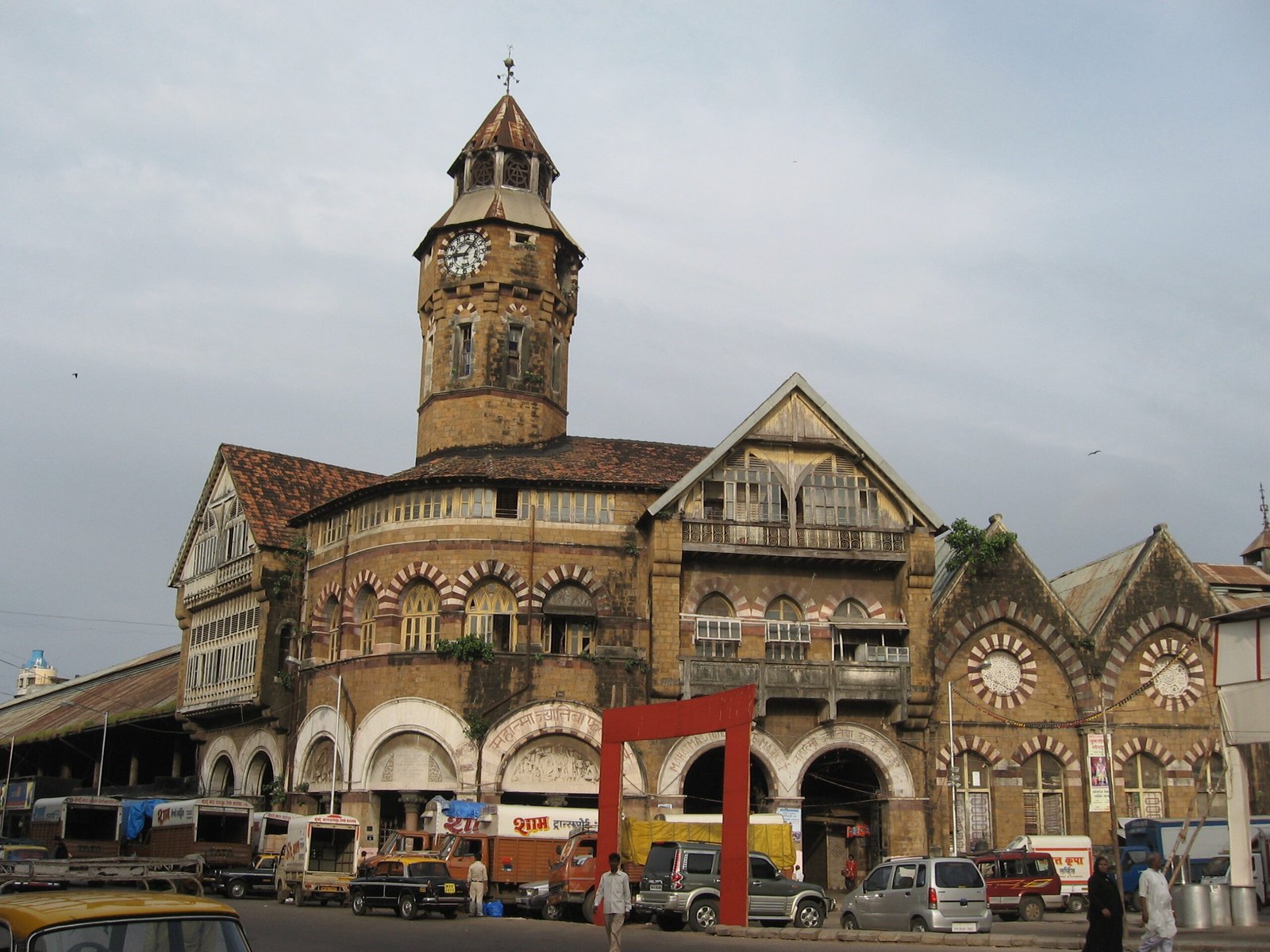
Crawford Market stands among the most recognizable market places in Mumbai. Its official name is Mahatma Jyotiba Phule Mandai, although most locals still say Crawford. The building showcases Victorian Gothic architecture. Intricate stone friezes decorate the entrance, and John Lockwood Kipling contributed to that artwork. Inside, high ceilings and long aisles create a cathedral-like feel.
Meanwhile, the stalls deliver the real spectacle. Vendors stack pyramids of fruit, nuts, and spices. The aroma alone justifies the trip. Early morning offers the best experience. Stock arrives fresh, and the heat stays mild. Additionally, photographers love the soft light that filters through the old windows.
What to Look For at Crawford Market
- Dry fruits and nuts: Almonds, pistachios, dates, and figs fill the front stalls.
- Whole spices and masalas: Cardamom, cinnamon, and black pepper make excellent gifts.
- Herbal teas and baking supplies: Specialty shops stock items that are hard to find elsewhere.
- Seasonal fruit: Mangoes, custard apples, and berries appear in their seasons.
Visitor Tip for Crawford Market
Ask vendors to vacuum-seal spices and nuts for travel. Sealed packs stay fresh much longer during flights. Moreover, they keep strong aromas away from your clothing.
Colaba Causeway
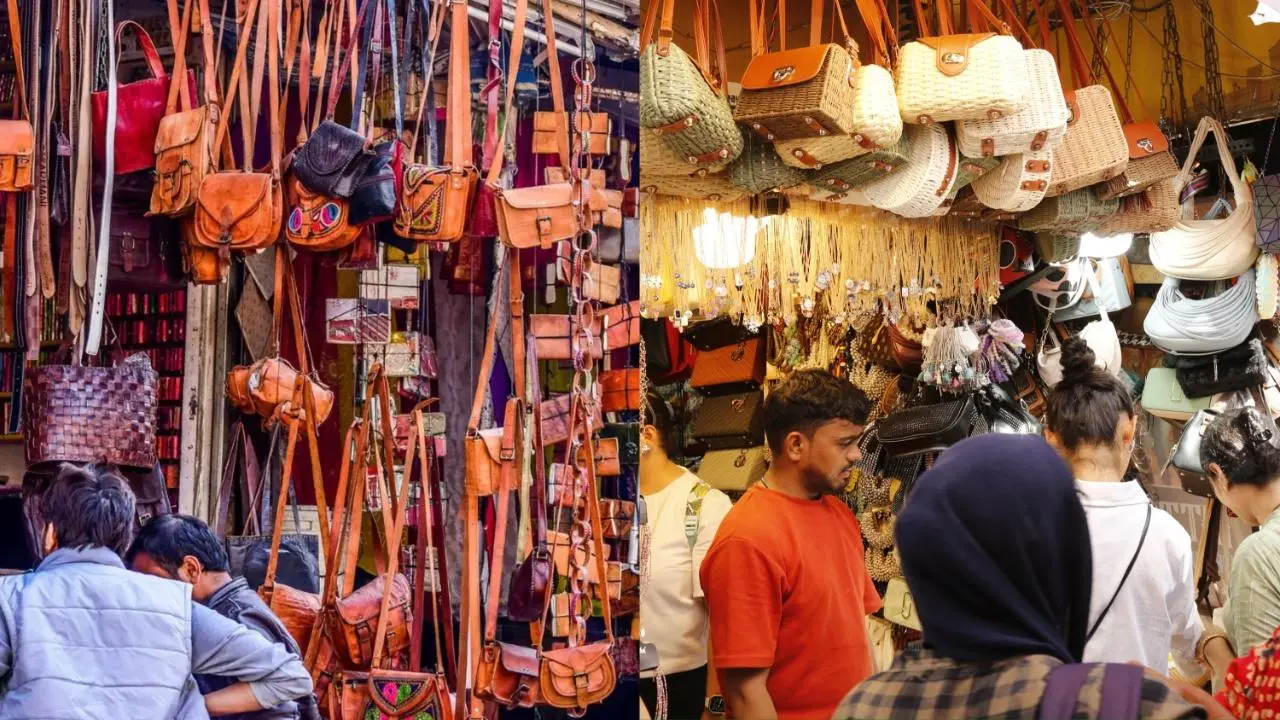
Colaba Causeway ranks as the most visitor-friendly of all the market places in Mumbai. Its official name is Shahid Bhagat Singh Road, yet everybody uses the older name. The strip runs close to the Gateway of India and the Taj Mahal Palace hotel. Because of this position, it fits neatly into a heritage-focused day.
The pavement stalls sell jewelry, handbags, scarves, handicrafts, and souvenirs. Shops behind them stock books, textiles, and home accessories. Meanwhile, historic cafés like Leopold Cafe offer a shaded pause between rounds of browsing. Visit in the late afternoon. The light softens, the temperature drops, and the street fills with an easy, festive energy.
What Makes Colaba Causeway Special
- Variety in one stretch: You can shop for gifts, fashion, and décor without changing neighborhoods.
- Easy dining access: Cafés and restaurants line the side streets.
- Walkable surroundings: The waterfront promenade sits just minutes away.
Expert Tip: Browse the full length of the Causeway once before you decide on any purchase. Similar items appear at many stalls, and a quick survey helps you pick the best quality.
Chor Bazaar
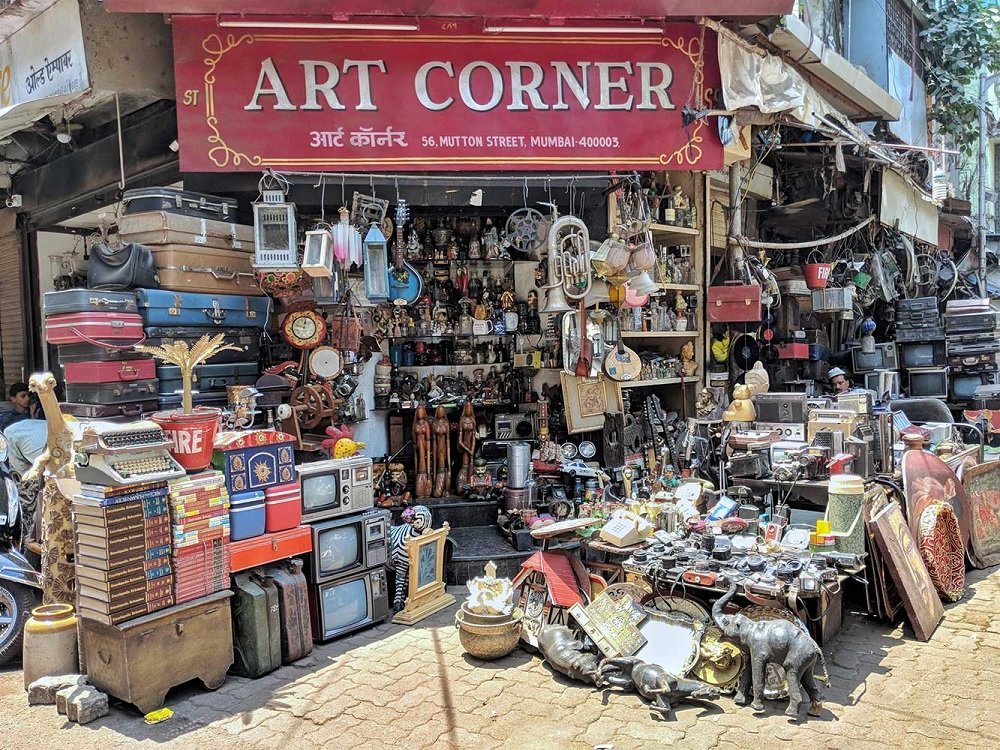
Chor Bazaar draws collectors, designers, and curious wanderers. Its main lane, Mutton Street, overflows with antiques and vintage finds. Locals often translate the name as “Thieves’ Market,” and they love sharing playful legends about it. Today, however, the market operates as a serious hub for restored furniture, brass, and décor.
Dealers display gramophones, ornate mirrors, old film posters, carved doors, and chandeliers. Some shops specialize in restoration. Therefore, you can often watch craftsmen revive a piece in the back room. This behind-the-scenes view adds real charm.
Tips for Visiting Chor Bazaar
- Confirm opening days. Many shops close on Fridays, so check before you travel.
- Arrive late in the morning. Most dealers finish setting up by then.
- Ask about origin and condition. Honest dealers happily explain a piece’s history.
- Plan the logistics. Large items need careful packing and shipping, so discuss this early.
Zaveri Bazaar
Zaveri Bazaar in Kalbadevi anchors Mumbai’s jewelry trade. Generations of jewelers work in its tight lanes. Gold, silver, diamonds, pearls, and colored gemstones glitter behind modest shopfronts. The market serves local families, wedding shoppers, and international collectors alike.
The atmosphere feels different from a polished boutique. Shops are small, conversations run long, and trust builds slowly. Nevertheless, the experience rewards patience. Jewelers will happily show traditional designs, custom work, and heirloom-style pieces.
Smart Habits at Zaveri Bazaar
- Look for hallmarking. Gold jewelry in India carries a BIS hallmark that confirms purity.
- Request proper certification for diamonds and gemstones.
- Keep valuables discreet. Wear minimal jewelry yourself, and keep your bag close.
- Visit at midday. Most shops operate at full strength by then.
Fashion Street
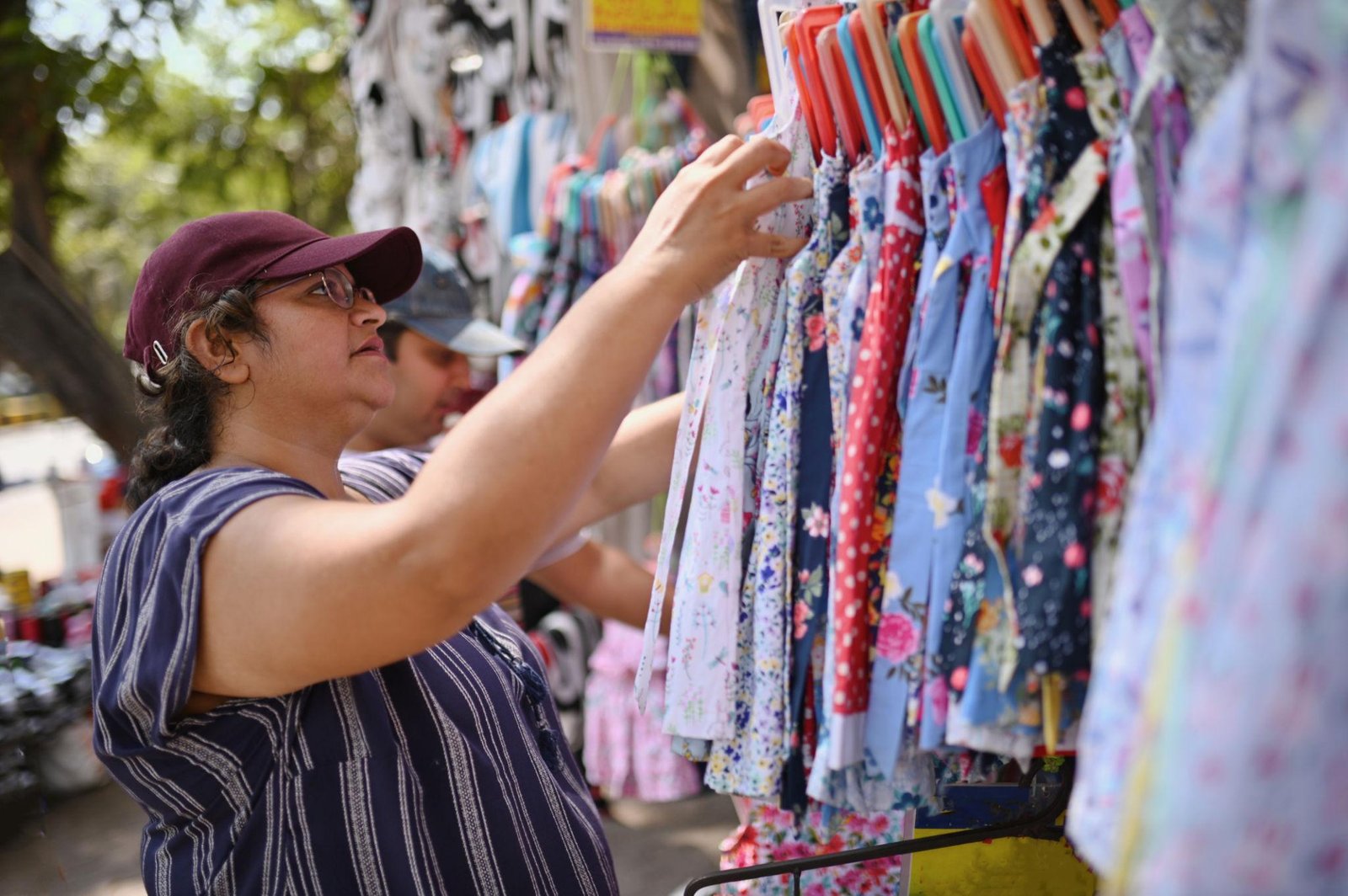
Fashion Street runs along Mahatma Gandhi Road near Azad Maidan and Churchgate. Rows of tents and stalls offer casual clothing, denim, tops, and accessories. Some stalls carry export-surplus garments, so careful inspection pays off.
The street suits trend-focused travelers who enjoy a treasure hunt. Check seams, zips, and fabric before you decide. In addition, try items on in the stall’s small fitting corner when possible. Afternoon visits work best, since crowds stay manageable and stalls feel fully stocked.
Kala Ghoda Art District
Kala Ghoda blends galleries, design boutiques, and stylish cafés into one walkable pocket. It does not look like a traditional bazaar. Nevertheless, it counts among the most refined market places in Mumbai for art, crafts, and gifts. Jehangir Art Gallery anchors the area and showcases contemporary Indian artists.
Boutiques here sell handmade textiles, ceramics, stationery, and home décor. Moreover, the annual Kala Ghoda Arts Festival usually takes over the district in February. It fills the streets with music, installations, and craft stalls. Visit during that period for a truly vibrant experience.
Ready to Plan Your Vacations/Holidays?
Reach out to Delta Smart World’s team of destination specialists today!
Stylish Market Places in Mumbai’s Western Suburbs
The western suburbs offer a different flavor. Here, the market places in Mumbai lean toward fashion, lifestyle, and youthful energy. Bandra leads the way, and it pairs shopping with some of the city’s best cafés.
Linking Road, Bandra
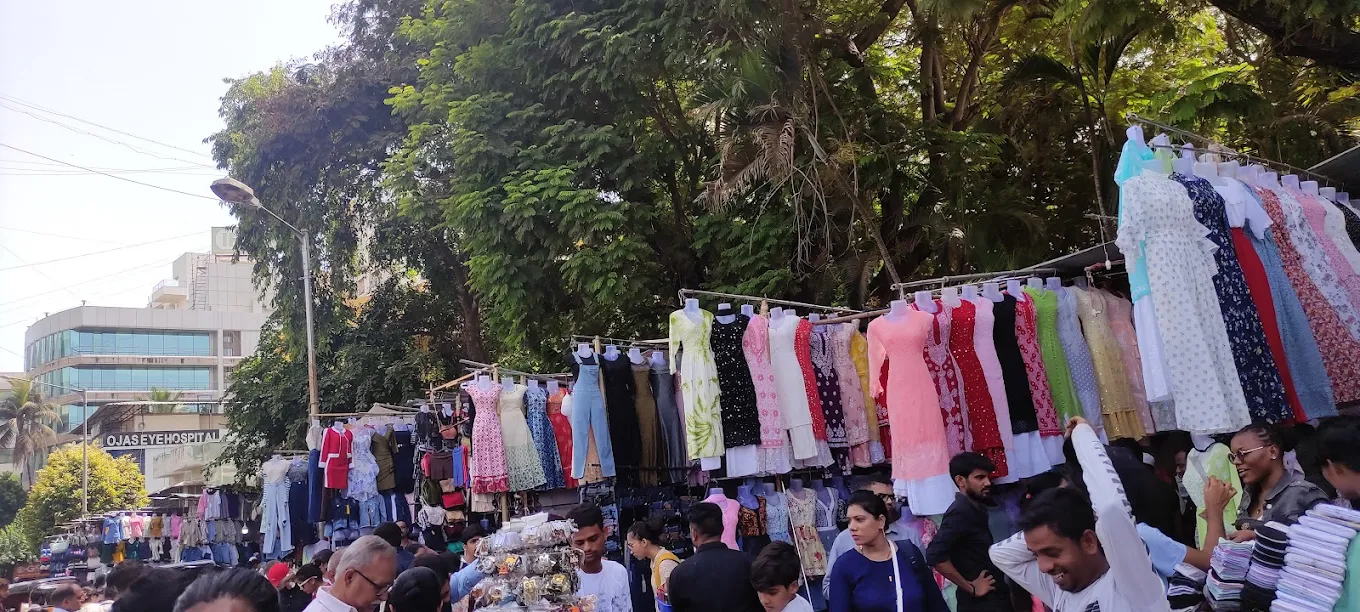
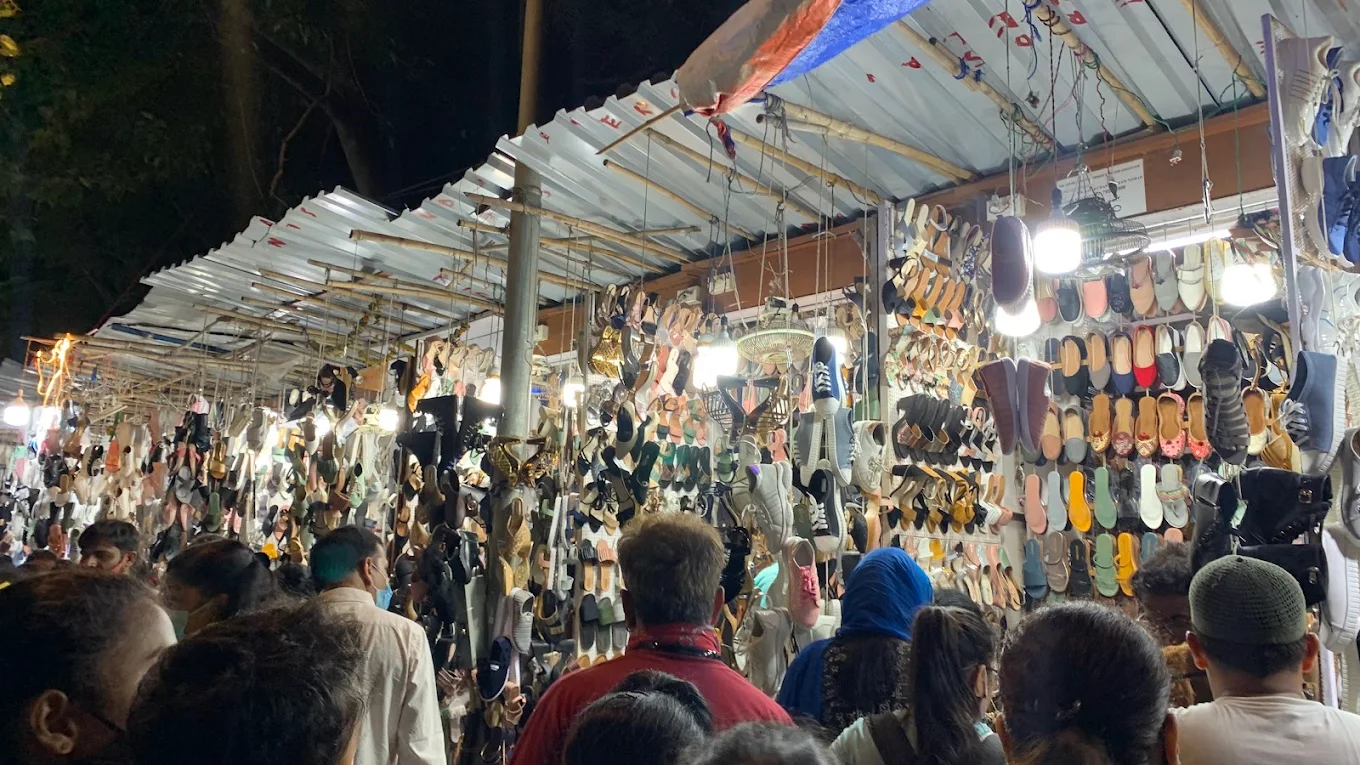
Linking Road connects Bandra with its neighboring suburbs. It blends brand stores with pavement stalls. Shoppers find trendy tops, footwear, bags, sunglasses, and accessories along the way. The street buzzes in the evening, when office workers, students, and visitors all arrive at once.
Because the crowd moves quickly, plan your stops in advance. Start at one end and work steadily toward the other. Moreover, take short breaks at nearby cafés to recharge.
Expert Tip: Visit on a weekday evening for a calmer stroll. Weekends turn the street into a lively, shoulder-to-shoulder scene.
Hill Road and Bandra’s Boutique Lanes
Hill Road runs through Bandra West and ends near the Mount Mary Church area. Stalls and shops sell clothing, footwear, home items, and fashion accessories. Local shoppers love the street, so it feels less touristy than Colaba.
Beyond Hill Road, Bandra’s smaller lanes hide independent boutiques and design studios. Pali Hill and Chapel Road, for example, offer stylish cafés and curated stores. As a result, you can mix street shopping with a more relaxed, boutique-style browse in a single afternoon.
Why Bandra Works So Well
- Compact layout: Many shops and cafés sit within walking distance.
- Diverse choices: You can move from pavement stalls to designer studios quickly.
- Strong dining scene: Restaurants and bakeries fill nearly every corner.
Specialty Market Places in Mumbai Worth Your Time
Some of the most rewarding market places in Mumbai focus on one product or one experience. These specialty hubs reward curious travelers. They also show how deeply trade shapes each neighborhood.
Dadar Flower Market
Dadar Flower Market near Dadar station explodes with color before sunrise. Wholesalers unload marigolds, roses, jasmine, and lotus buds by the truckload. Garland makers sit cross-legged and string flowers with astonishing speed. The scent hits you long before you reach the stalls.
If you love photography, this market delivers unforgettable frames. Arrive early, watch your footing on the wet ground, and ask politely before you photograph anyone.
Mohammed Ali Road
Mohammed Ali Road transforms after dark into a paradise for food lovers. Kebabs sizzle on open grills, bakeries stack fresh breads, and sweet shops fill trays with festive desserts. The area shines brightest during Ramadan evenings, when the lanes stay awake until late.
Many stalls focus on meat dishes. Therefore, vegetarian travelers should ask vendors about options before ordering. Go with an appetite and an open mind.
Lalbaug Market
Lalbaug carries deep cultural meaning for Mumbai. It hosts the famous Lalbaugcha Raja Ganesh pandal and many idol workshops. Spice and grocery stalls also fill its lanes. During Ganeshotsav, the district draws enormous crowds and pulsates with devotion.
Visit before the festival for a calmer view of idol-making. Artisans sculpt and paint towering figures in open workshops. Alternatively, join the festival atmosphere if you enjoy big, joyful gatherings. Just prepare for long queues and tight security.
Mangaldas Market
Mangaldas Market near Crawford Market serves the textile trade. Wholesalers stock sarees, dress fabrics, bridal fabrics, and embroidered pieces. Designers and tailors from across the city shop here for materials.
This market suits travelers who want custom clothing. Select a fabric, then ask your hotel concierge to recommend a trusted tailor. Furthermore, the cluster of shops allows easy comparison of weaves and colors.
Matunga Market
Matunga offers a glimpse of Mumbai’s South Indian heritage. Stalls sell banana leaves, jasmine strands, fresh vegetables, and temple flowers. Nearby eateries serve classic dosas, idlis, and filter coffee.
The pace here feels gentler than at the big South Mumbai bazaars. Consequently, Matunga suits travelers who prefer a quieter, more local experience.
Lamington Road
Lamington Road serves as the city’s long-standing electronics and hardware hub. Shops sell computer accessories, audio gear, cameras, and components. Tech enthusiasts enjoy exploring the dense rows of small stores.
This market suits a specific type of shopper. If you need a charger, cable, or accessory, you will find it here. Otherwise, you can skip it without missing a core Mumbai experience.
Sassoon Dock
Sassoon Dock in Colaba functions as one of the city’s oldest fish markets. Fishing boats unload their catch at dawn, and the atmosphere crackles with action. Colorful murals on the surrounding walls add an unexpected art-gallery feel.
The smell is strong, and the ground gets slippery. Wear closed shoes and keep your visit short. In return, you witness a working side of Mumbai that few visitors ever see.
Market Places in Mumbai by Interest
Different travelers want different things. This table matches common interests with the best market places in Mumbai.
| Your Interest | Best Market Places | Why They Fit |
|---|---|---|
| Antiques and décor | Chor Bazaar, Kala Ghoda | Vintage finds and curated art |
| Jewelry | Zaveri Bazaar | Deep tradition and wide variety |
| Fashion | Fashion Street, Linking Road, Hill Road | Trendy, casual, and varied styles |
| Food and spices | Crawford Market, Mohammed Ali Road, Matunga | Fresh ingredients and street flavors |
| Souvenirs and gifts | Colaba Causeway, Crawford Market | Easy browsing and giftable items |
| Photography | Dadar Flower Market, Sassoon Dock | Color, action, and authentic scenes |
| Textiles | Mangaldas Market | Large fabric selection |
Quick Answers About Market Places in Mumbai
Which market place in Mumbai suits first-time visitors best?
Colaba Causeway and Crawford Market top the list. Both sit in South Mumbai, both feel welcoming, and both showcase heritage architecture. Colaba offers easy browsing with cafés nearby. Crawford rewards early risers with sensory richness. Start with either one, and you will quickly find your rhythm.
Where can I find authentic souvenirs?
Colaba Causeway offers the widest choice of gifts and handicrafts. For something more refined, explore the boutiques of Kala Ghoda. Meanwhile, Crawford Market supplies edible souvenirs, such as spices and dry fruits. Choose items that reflect Mumbai’s character rather than generic trinkets.
Which market places in Mumbai work best for food lovers?
Mohammed Ali Road delivers the most dramatic street-food experience. Matunga offers classic South Indian flavors in a calm setting. Crawford Market supplies ingredients that you can bring home. Combine two of them to enjoy both cooked dishes and raw produce.
Can I visit several markets in one day?
Yes, but pair them wisely. South Mumbai’s markets cluster closely, so a heritage trail works well. Keep suburban markets for a separate day, because traffic can eat up hours. A realistic day covers three or four stops with meal breaks.
How do I handle the heat and the crowds?
Start early, drink water often, and rest in air-conditioned cafés. Wear light clothing and carry a small towel or tissues. In addition, avoid peak commuter hours when you travel by train.
Ready to Plan Your Vacations/Holidays?
Reach out to Delta Smart World’s team of destination specialists today!
Sample Itineraries for Market Places in Mumbai
These plans combine the best market places in Mumbai into smooth, realistic routes. Adjust them to match your pace and interests.
One-Day South Mumbai Heritage Trail
- 8:30 AM – Crawford Market: Wander the aisles while the stalls look their freshest.
- 10:30 AM – Chor Bazaar: Explore antiques and vintage décor on Mutton Street.
- 12:30 PM – Zaveri Bazaar: Admire the jewelry lanes, then break for lunch nearby.
- 3:00 PM – Kala Ghoda: Visit galleries and boutiques at a relaxed pace.
- 5:00 PM – Colaba Causeway: Browse the stalls, then enjoy a café stop.
- Sunset – Gateway of India: Finish with a waterfront stroll.
Two-Day Deep Dive
Day One: Heritage and Craft
Follow the one-day trail above, but linger longer at each stop. You will absorb far more detail and still keep a comfortable pace.
Day Two: Color, Fashion, and Flavor
- Before sunrise – Dadar Flower Market: Catch the wholesale rush.
- Mid-morning – Matunga Market: Enjoy a South Indian breakfast.
- Afternoon – Rest at your hotel: Recover from the early start.
- Evening – Hill Road and Linking Road: Shop for fashion and finish with dinner in Bandra.
Expert Tip: Build a rest break into every market day. A calm pause at your hotel keeps energy high and makes each stop more enjoyable.
Etiquette and Safety at Market Places in Mumbai
Mumbai’s markets feel friendly, yet smart habits still matter. These guidelines keep your visit comfortable.
- Greet vendors warmly. A smile and a simple greeting open conversations.
- Ask before you photograph people. Most vendors agree, and many enjoy the attention.
- Keep belongings secure. Carry a zippered bag, and hold it in front of you.
- Watch your step. Pavements can be uneven, wet, or crowded.
- Respect religious spaces. Dress modestly near temples, mosques, and shrines.
- Drink bottled or filtered water, and choose busy food stalls with high turnover.
- Stay aware in dense crowds. Move with the flow instead of pushing against it.
Furthermore, trust your instincts. If a stall or lane feels uncomfortable, simply move on. Mumbai offers plenty of other options.
Pairing Market Places in Mumbai with a Luxury Stay
At Delta Smart World, we believe that the right base transforms a trip. Our team travels extensively, inspects each hotel, resort, and villa in person, and measures every property against carefully defined standards. We only welcome members to places that meet those standards.
For market-focused travelers, location matters. A stay in South Mumbai places you near Crawford Market, Colaba Causeway, and Kala Ghoda. A stay in Bandra puts you close to Linking Road and Hill Road. Therefore, choose your base according to the markets you want to explore most.
Also consider the services that support your day. Look for concierge teams that arrange private drivers, recommend trusted guides, and ship purchases home. Additionally, a quiet suite with strong comfort gives you the perfect recovery space after a lively day.
FAQs About Market Places in Mumbai
Crawford Market holds the strongest claim to fame. Its Victorian Gothic building, rich aromas, and long history make it a landmark. However, Colaba Causeway attracts the most visitors, because it sits near the Gateway of India and offers easy shopping. Many travelers visit both.
October to February offers the most comfortable weather. Cooler air makes long walks pleasant, and the festive season adds extra energy. The monsoon brings heavy rain that floods narrow lanes, so plan indoor alternatives if you travel then.
Linking Road, Hill Road, and Mohammed Ali Road all shine after dark. Colaba Causeway also feels lively in the early evening. In contrast, wholesale markets like Dadar Flower Market and Crawford Market work best in the morning.
Most visitors feel comfortable in the main markets, especially during daylight. Crowds can attract pickpockets, though, as in any major city. Carry a zippered bag, keep valuables out of sight, and stay aware of your surroundings. A private driver or guide adds extra peace of mind.
Final Thoughts on Market Places in Mumbai
The market places in Mumbai reveal the city’s character more honestly than any monument. They combine history, craft, flavor, and daily life in every lane. With the right timing, comfortable clothing, and a flexible plan, you can enjoy them with ease.
Start with the classics, such as Crawford Market and Colaba Causeway. Then branch out into specialty hubs like Dadar Flower Market and Zaveri Bazaar. Finally, finish each day in a calm, refined retreat. That contrast makes a Mumbai trip truly memorable.
Ready to plan a refined stay that suits your market adventures? Explore Delta Smart World’s curated collection of luxury resorts, hotels, and villas, and let our team help you build the perfect journey.
Ready to Plan Your Vacations/Holidays?
Reach out to Delta Smart World’s team of destination specialists today!